

11 May 2026
Why not take a gourmet trip to enjoy the famous restaurants of Akabane, which is known as a great spot for eating out and drinking out at reasonable prices? There are also some superb spots to enjoy the scenery and feel the seasons.
The east exit of JR Akabane Station is lined with lively shopping streets such as Akabane Ichibangai and OK Yokocho Street. This is known as a great spot for enjoying many inexpensive and delicious izakayas (Japanese-style pubs). This time, we took a gourmet trip to enjoy some warm-hearted izakayas (Japanese-style pubs) and famous restaurants that can only be found in Akabane. We also recommend visiting Akabane Hachiman Shrine and the Kyu-Furukawa Gardens, which offer spectacular views.
- SHARE


Table of Contents
- 1Sightseeing/Outing [1] | Akabane Hachiman Shrine
- 2Sightseeing/Outing [2]|Arakawa Museum of Aqua - amoa
- 3Sightseeing/Outing [3]|Kyu-Furukawa Gardens
- 4Dining [1]|”Ito” home-made noodles
- 5Dining [2]| "Mimasu no Tonari” kaku-uchi standing sake bar
- 6Dining [3] “Aocho Akabane” oden and genshiyaki
- 7Shopping [1] | akabane anko
- 8Shopping [2]|patisserie muse
- 9Shopping [3]|Kuromatsu Honpo Sogetsu
- 10Hotel in Akabane [1]|JR-EAST HOTEL METS AKABANE
- 11Hotel in Akabane [2]|HOTEL B4T AKABANE JR-EAST
Sightseeing/Outing [1] | Akabane Hachiman Shrine
See Shinkansen bullet trains up close! The largest power spot in the Akabane area
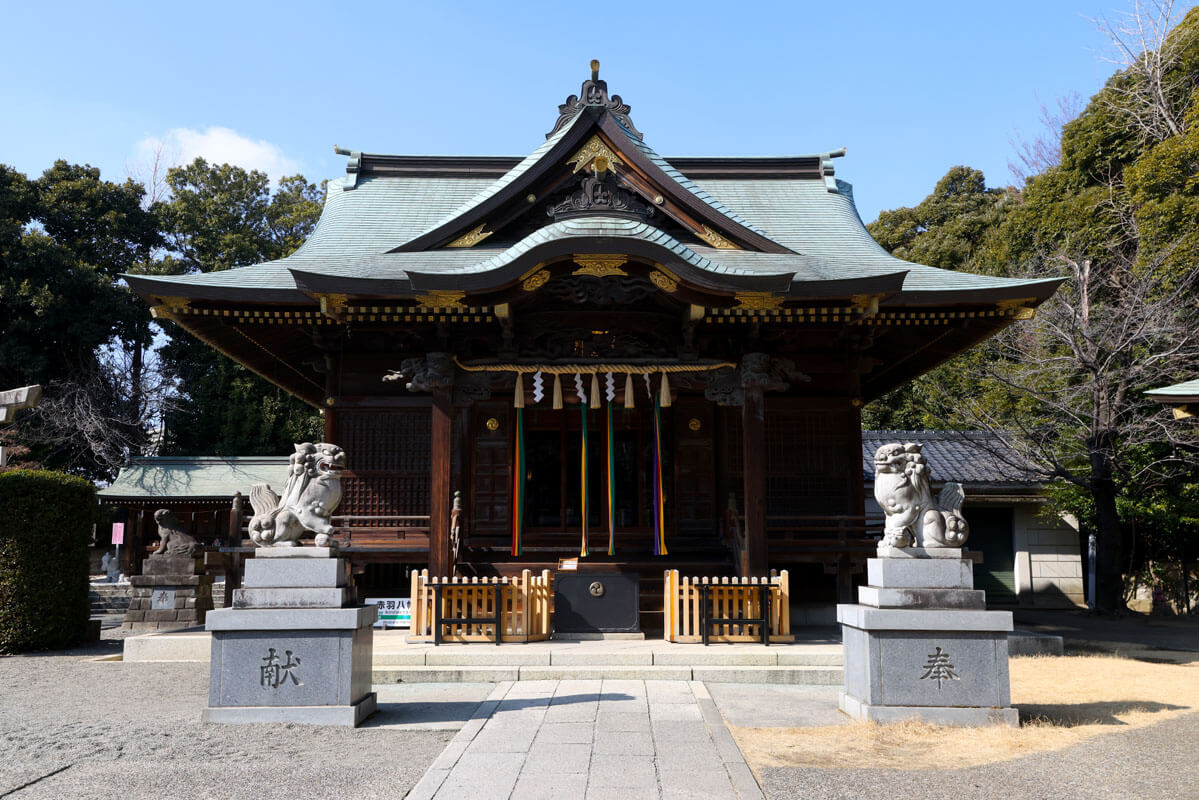
Akabane Hachiman Shrine is the general tutelary shrine of the Akabane area. It is situated on the high ground of Akabane-dai (Akabane hill). The shirne is said to have been built in 784 by Sakanoue no Tamuramaro, who was ordered by the Imperial Court to subjugate the Oshu region and set up camp here to pray for continued luck in his military fortunes. Ever since, Hachiman has been worshipped as the Shinto “god of battle.”
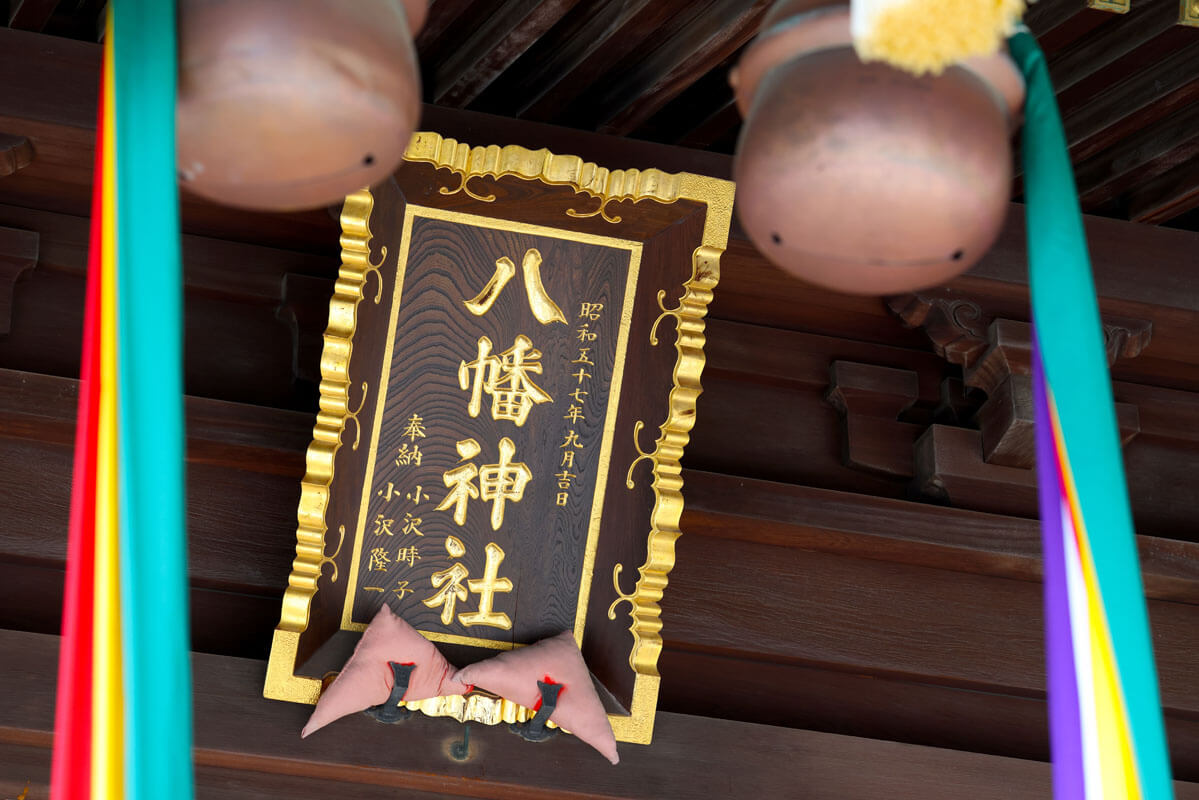
The main shrine was built in 1931. In recent years, in addition to athletes, many students visit the shrine to pray for success in their school entrance exams.
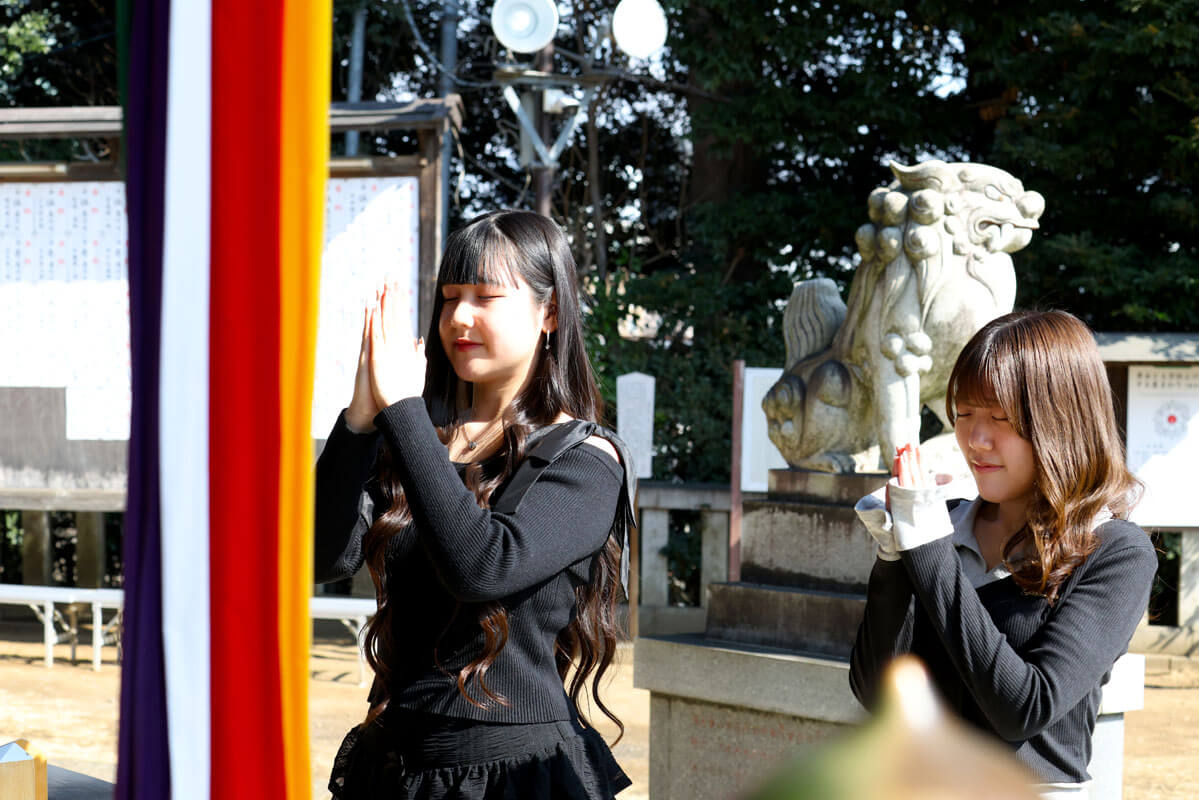
We stopped in front of the main shrine to express our gratitude. There are nine sub-shrines towards the back and left of the main shrine, where the god Okuninushi-no-Okami, the god of matchmaking, is also enshrined. This might be a good place to visit if you are hoping to meet somebody special!
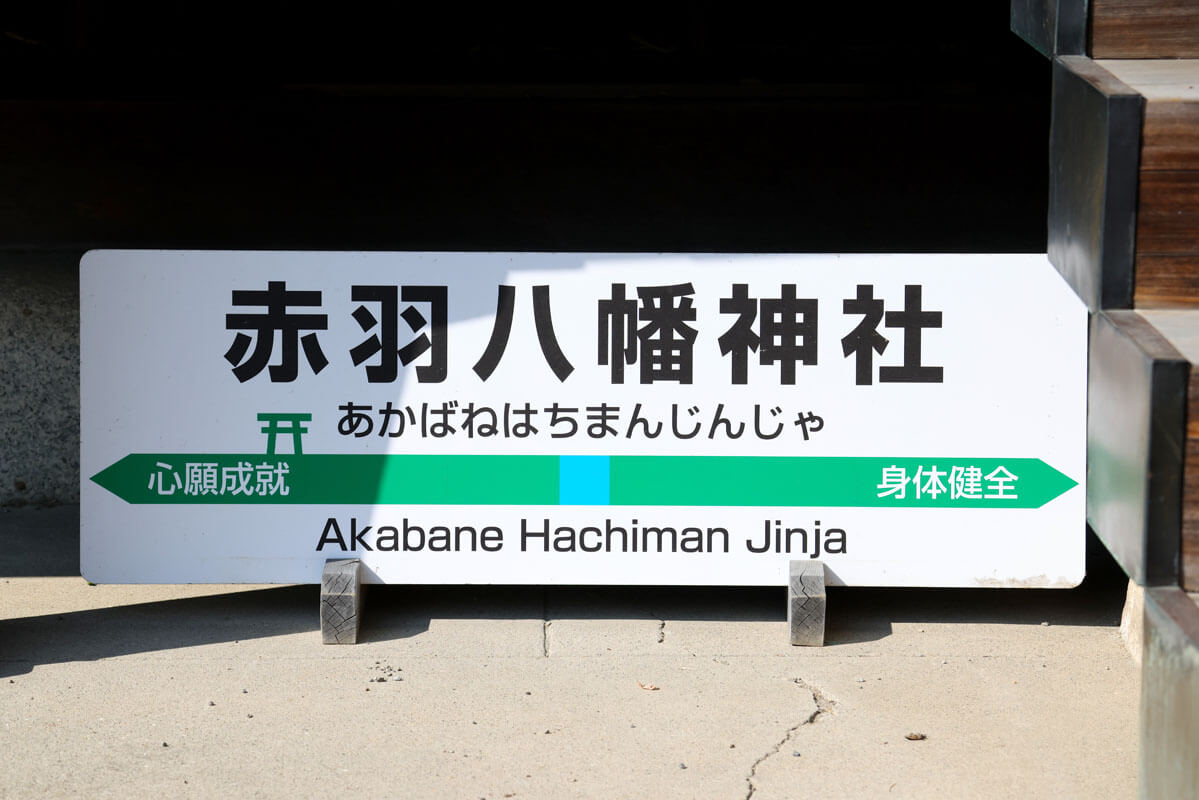
Akabane Hachiman Shrine is also famous for being a shrine where the Shinkansen bullet trains run under the shrine grounds. At the time the route was built, it was difficult to avoid Akabane Hachiman Shrine on the Tohoku and Joetsu Shinkansen lines, so it was decided to dig a tunnel under the shrine grounds. The tunnel was opened in 1985 for the Shinkansen to pass through.
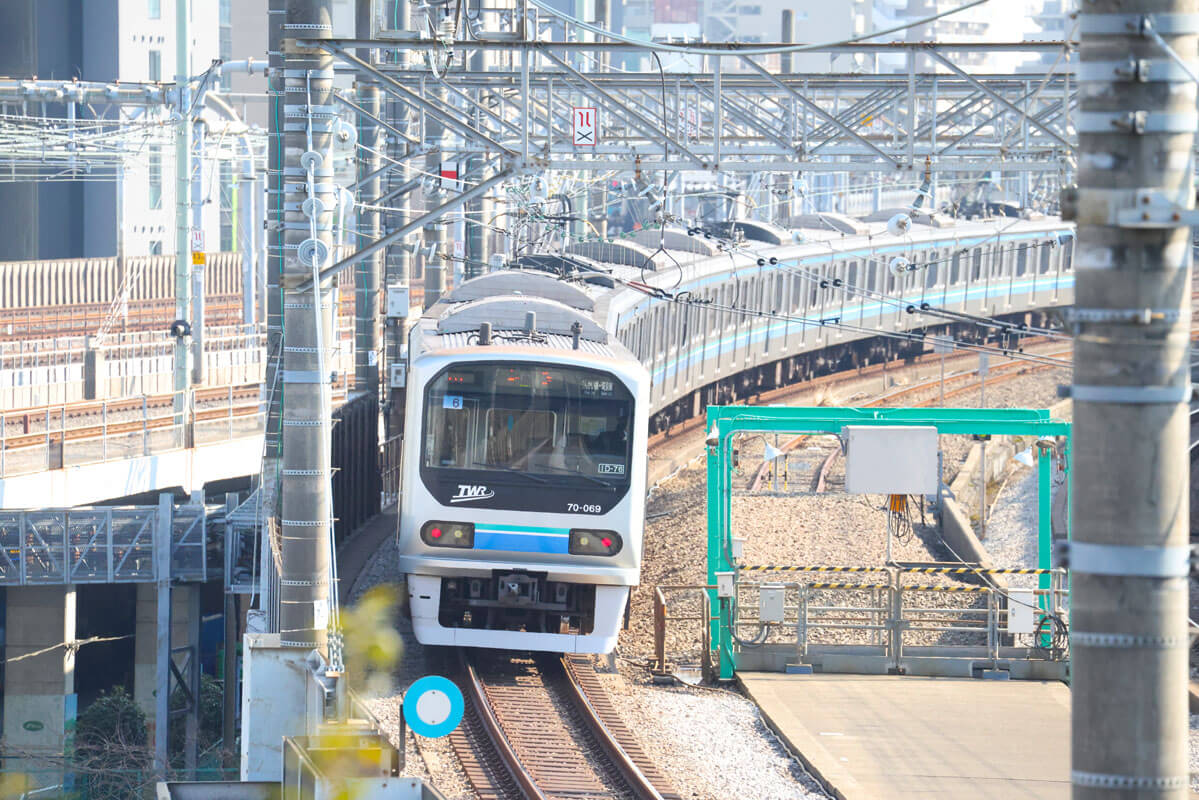
From one corner of the shrine grounds, visitors can view the Shinkansen, as well as trains on the Saikyo Line, Keihin-Tohoku Line, Utsunomiya Line, and many other JR trains. The impressive trains are preceded by a roar as the trains come into view.
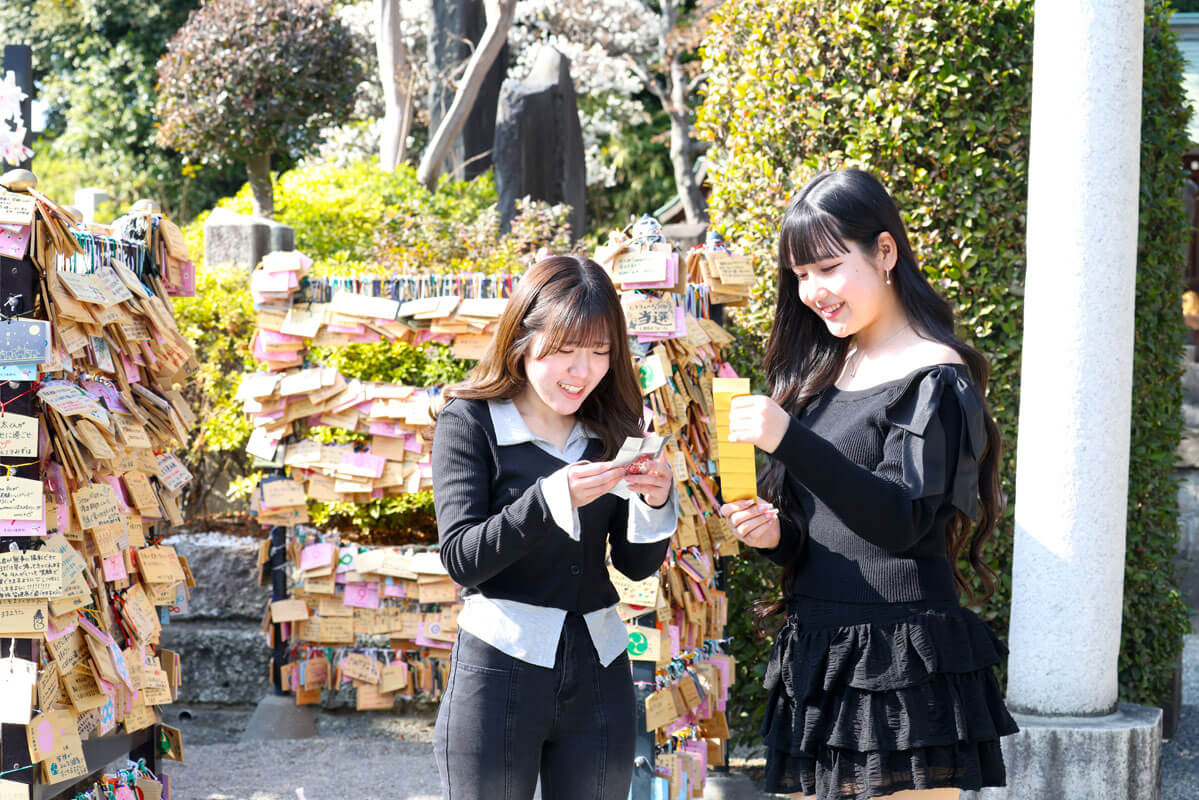
Countless ema (votive picture tablets used as shrine offerings) hang on the racks in the precincts of the shrine, filled with people’s wishes. Mikuji (fortune slips) are also available for 200 yen, such as “luck boosting mikuji” and “winner’s luck mikuji”, so why not give them a try?
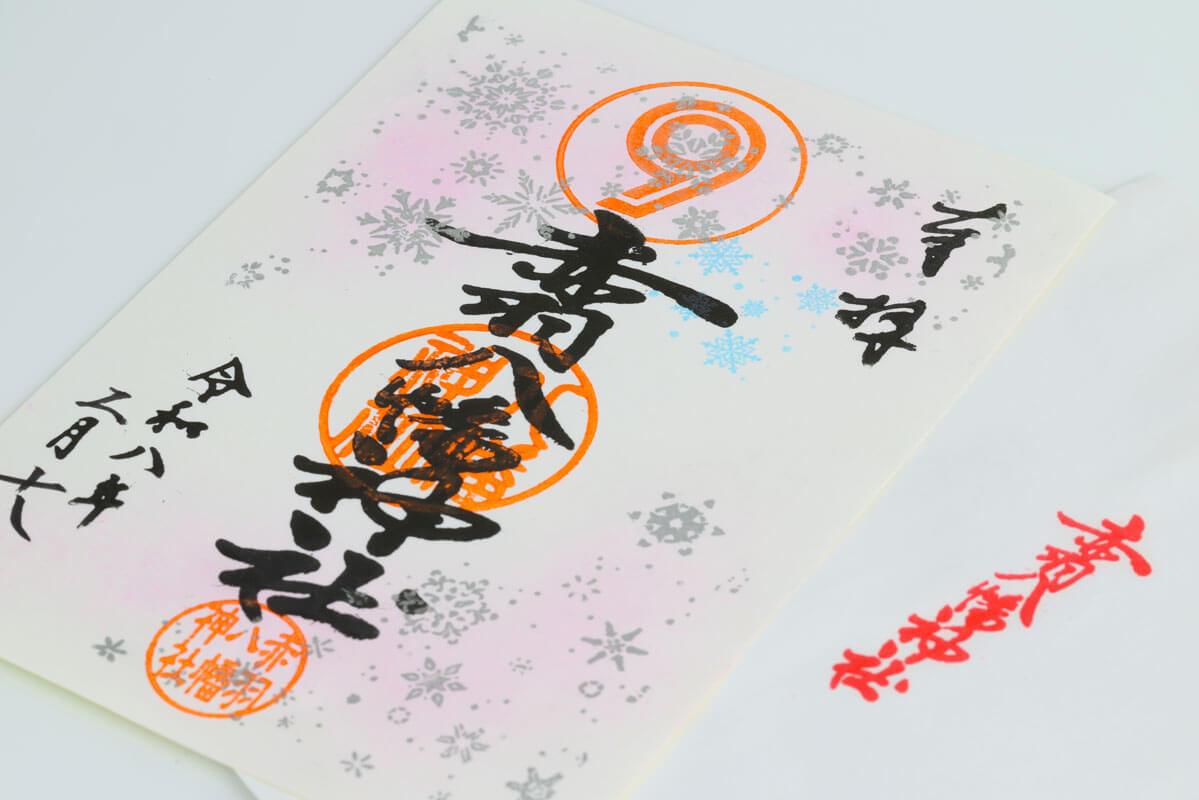
After visiting the shrine, you can receive a Goshuin red seal stamped at the shrine office. The 20-year period from February 2024 is considered to be “Period Nine” of the lower cycle in Feng Shui. This is seen to be a period of great change that will overturn conventional wisdom and values. For this reason, your red seal will be stamped with a number "9", which is said to be the luckiest number, for a Goshuin seal.
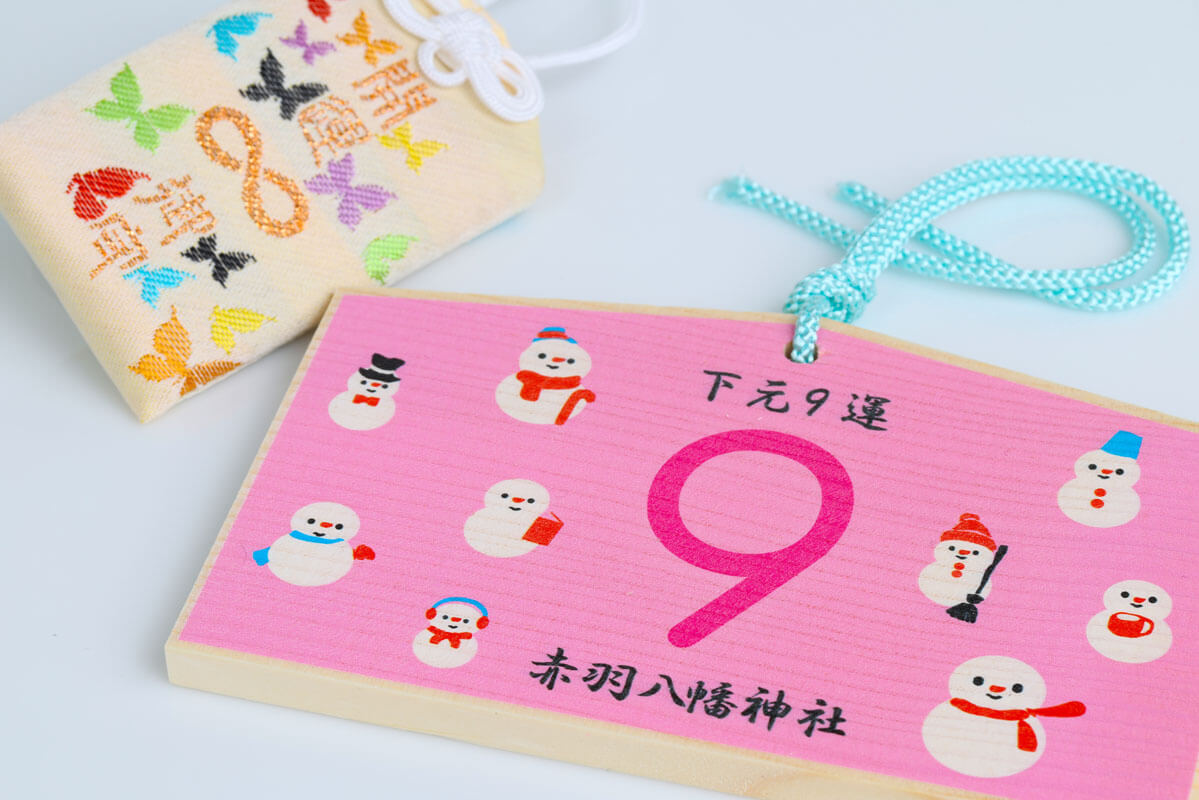
Cute items include an ema with the number 9 and a snowman design for 600 yen as well as a good luck charm with a “♾️" symbol embroidered on it for 800 yen. The shrine is also known as a sacred spot for idol group fans because it was the filming location for a movie starring a certain male idol group.
Akabane Hachiman Shrine
Address:4-1-6 Akabanedai, Kita-ku, Tokyo
Phone:03-3908-1764
Cost:Free to visit
Opening hours:You are free to visit the grounds (the shrine office is open 9:30 to 16:30; open until 17:00 on Saturdays, Sundays, and national holidays)
Closed:The grounds are open every day (the shrine register can be signed on Tuesdays)
Sightseeing/Outing [2]|Arakawa Museum of Aqua - amoa
This is actually a man-made river! Let’s learn about the history of the Arakawa River and flood control measures
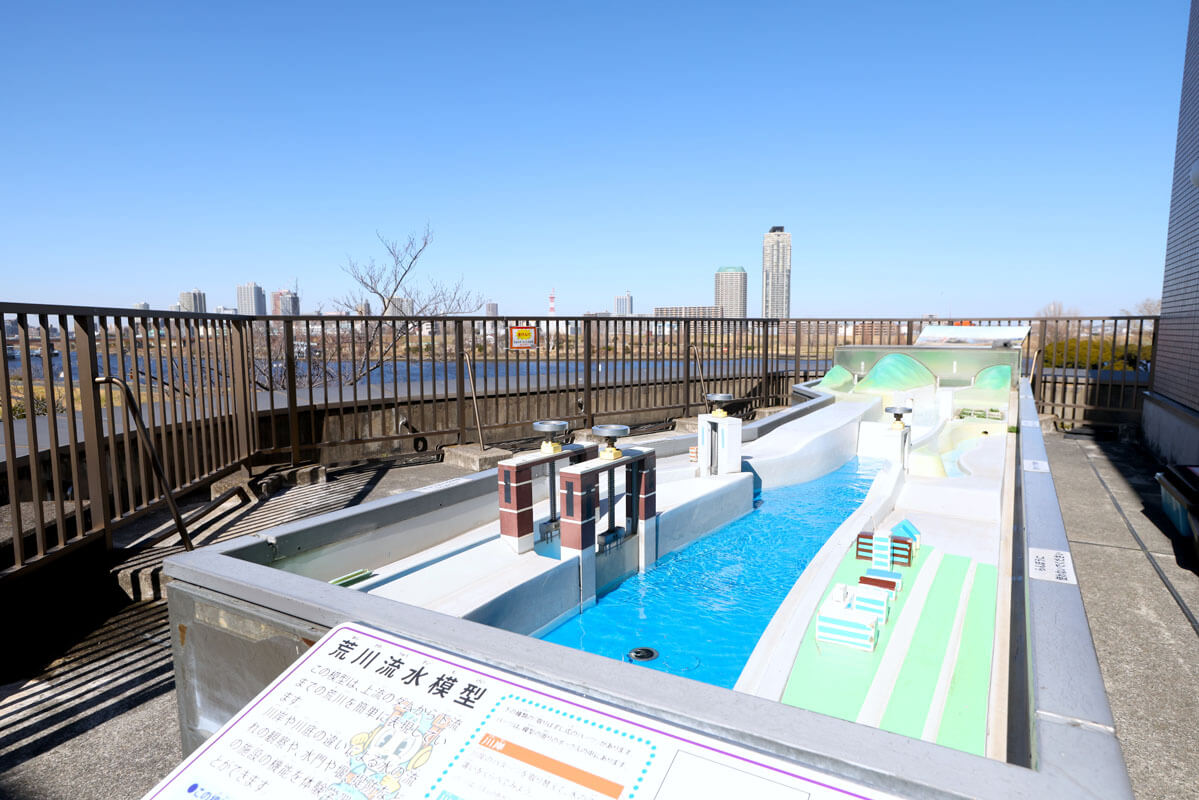
Did you know that part of the Arakawa River, which flows through Saitama Prefecture and Tokyo and empties into Tokyo Bay, is a “floodway” that was excavated by hand? The Arakawa River was once known as a "raging river" that repeatedly overflowed every time there was heavy rainfall.
The flood of 1910 motivated the central government to implement a flood control plan, and after approximately twenty years of excavation work, the current ”Arakawa Floodway” was created.
The photo shows the "Arakawa River Flow Model" installed on the third floor of the museum. This location also gives panoramic views of the Arakawa Floodway.
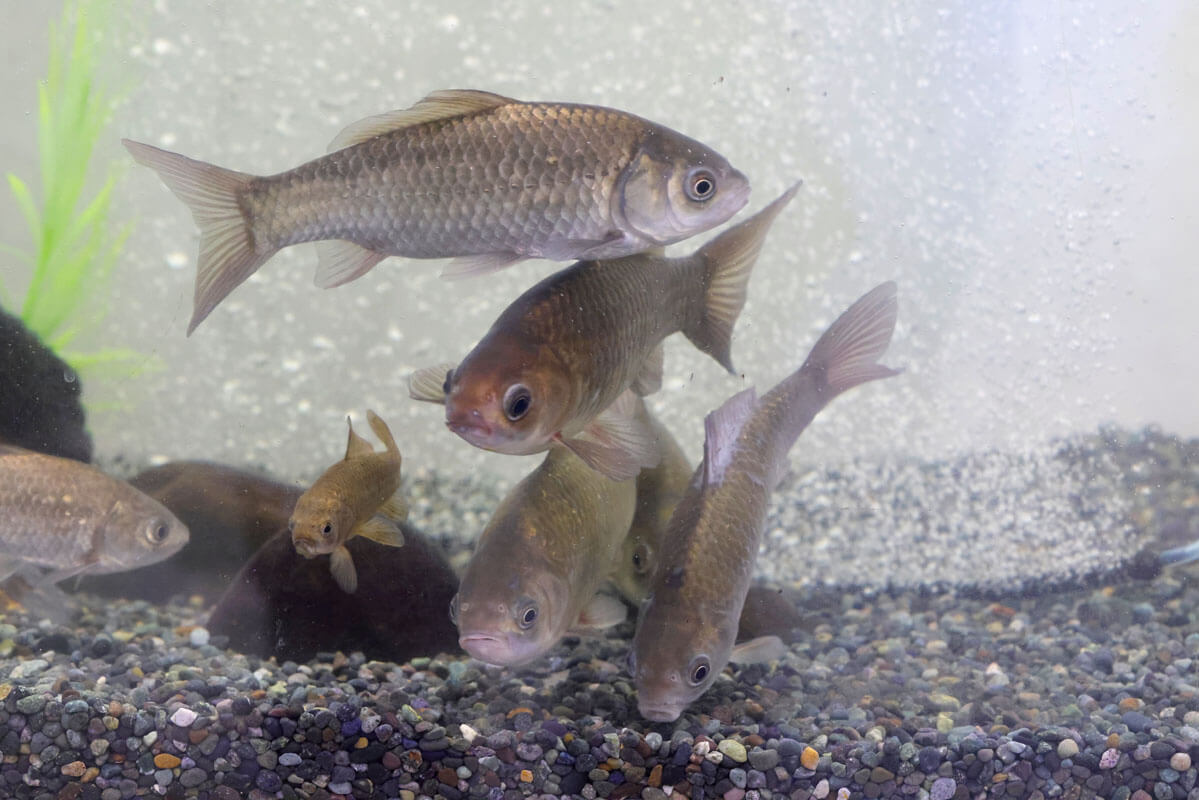
Arakawa Museum of Aqua - amoa is a fascinating spot that introduces the history of floods and flood damage on the Arakawa River, as well as current flood control measures. Each floor of the museum has a different theme, with the first floor devoted to learning about nature in the Arakawa River basin. Carp, crucian carp, and other fish found in the Arakawa River can be seen swimming leisurely in the tank.
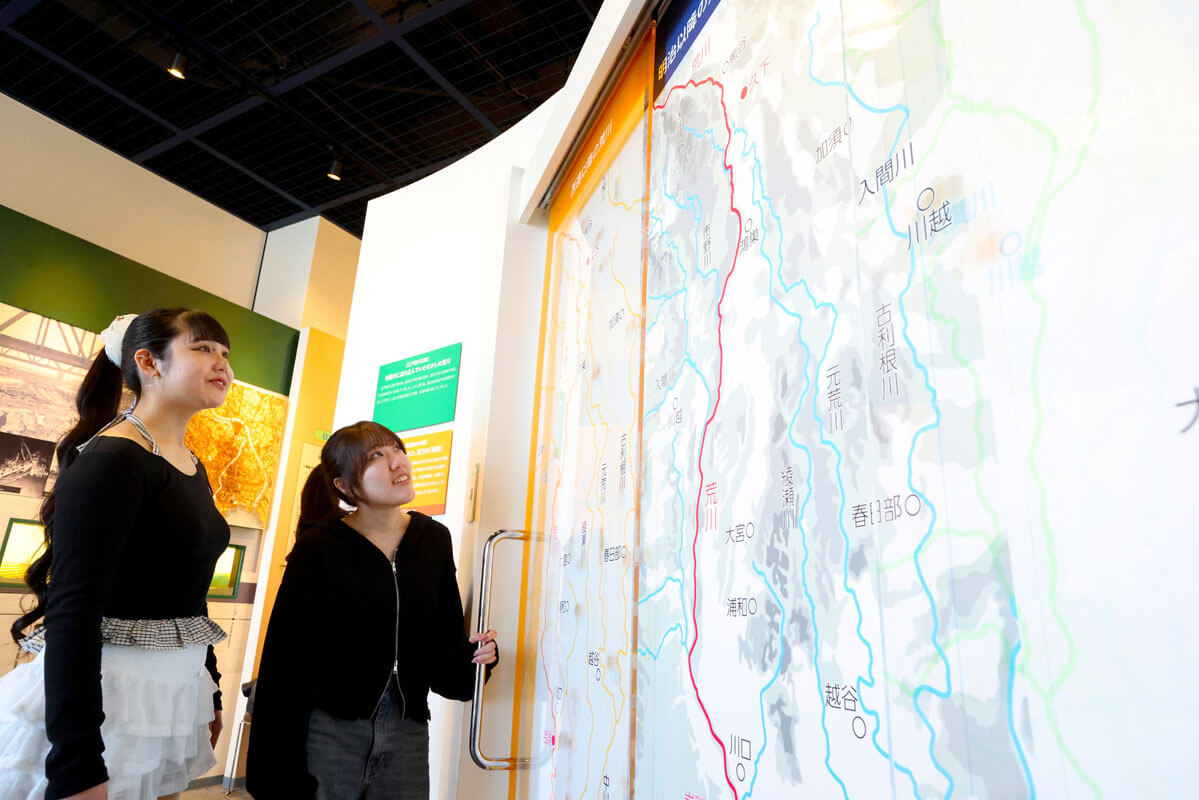
The second floor introduces the engineers and history involved in the construction of the Arakawa Floodway. The work was done manually and by machinery and boats. In total the equivalent of 18 times the volume of Tokyo Dome was excavated in earth and sand. Changes to the Arakawa River basin are displayed on easy-to-understand panels.
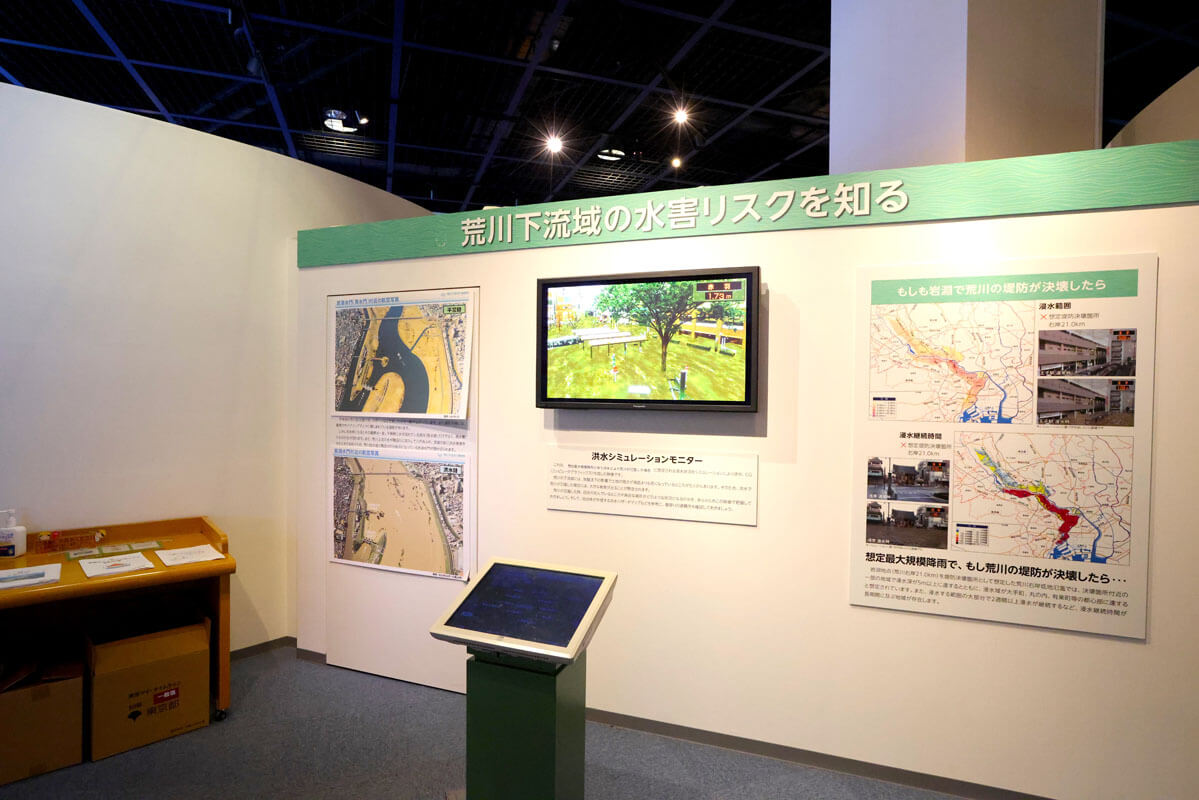
The “Flood Simulation Monitor” allows visitors to experience a realistic flooding of the Arakawa River through computer graphics. Carrying out everyday preparations by checking flood hazard maps and evacuation sites is crucial.
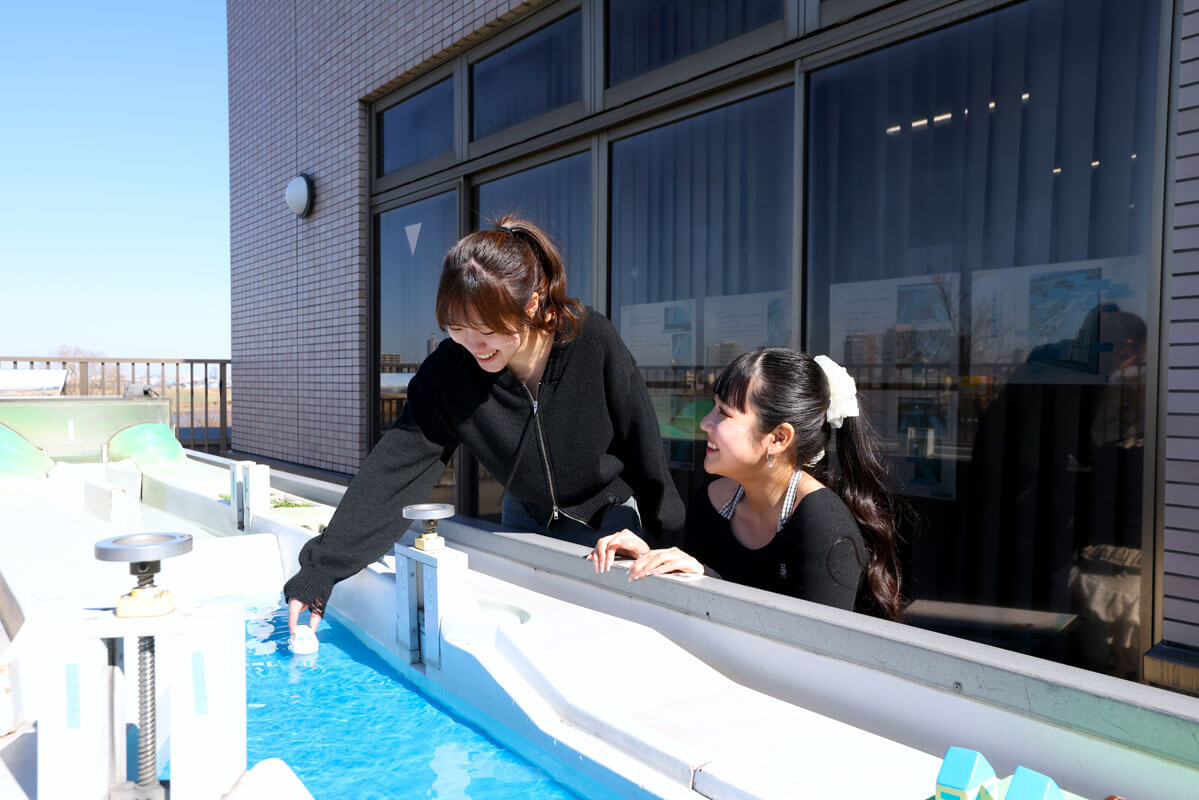
The "Arakawa River Flow Model" on the third floor reproduces the Arakawa River from the upstream dam through to downstream. Press the start button and water will flow from upstream. You can use the dam’s gate to control the amount of water or close the Iwabuchi Water Gate to prevent flooding of the Sumida River.
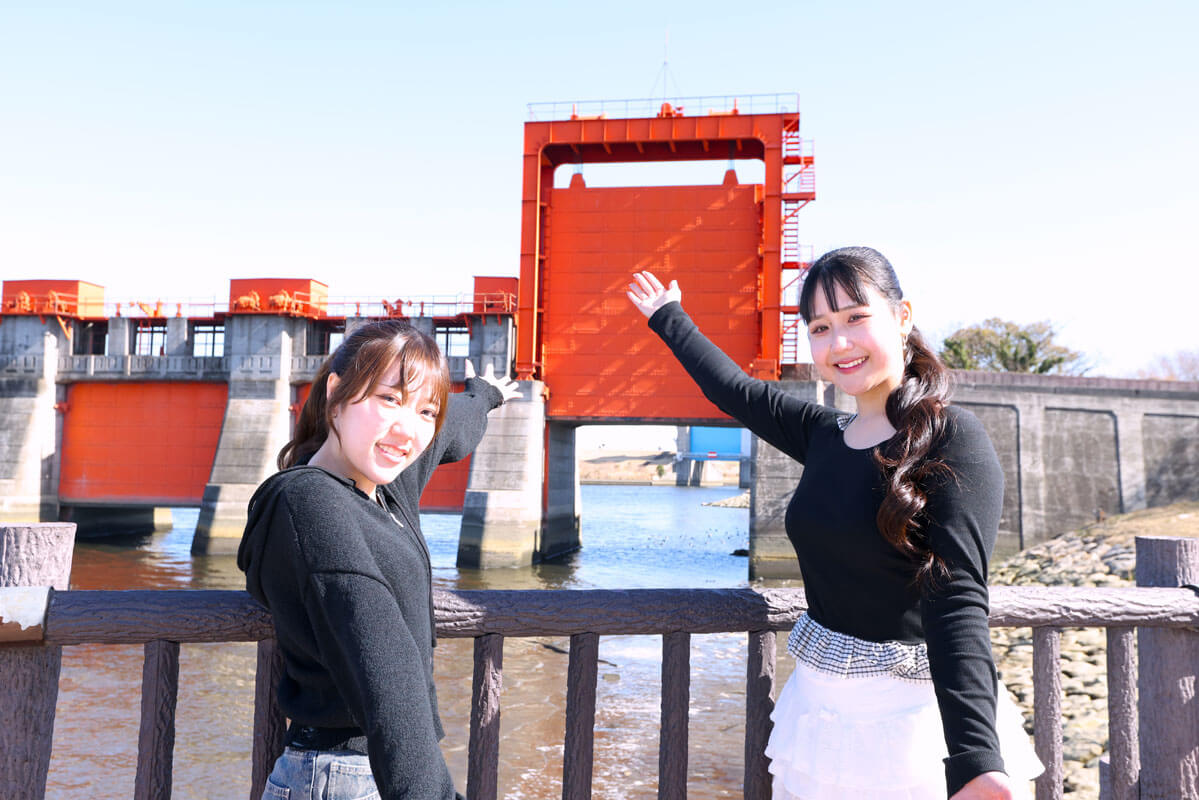
A few minutes’ walk from amoa is the “Old Iwabuchi Sluice Gate,” which was once constructed as the key to flood control during the construction of the Arakawa Floodway. Located where the Arakawa River meets the Sumida River, it was popularly known as the “Red Water Gate” because of its appearance.
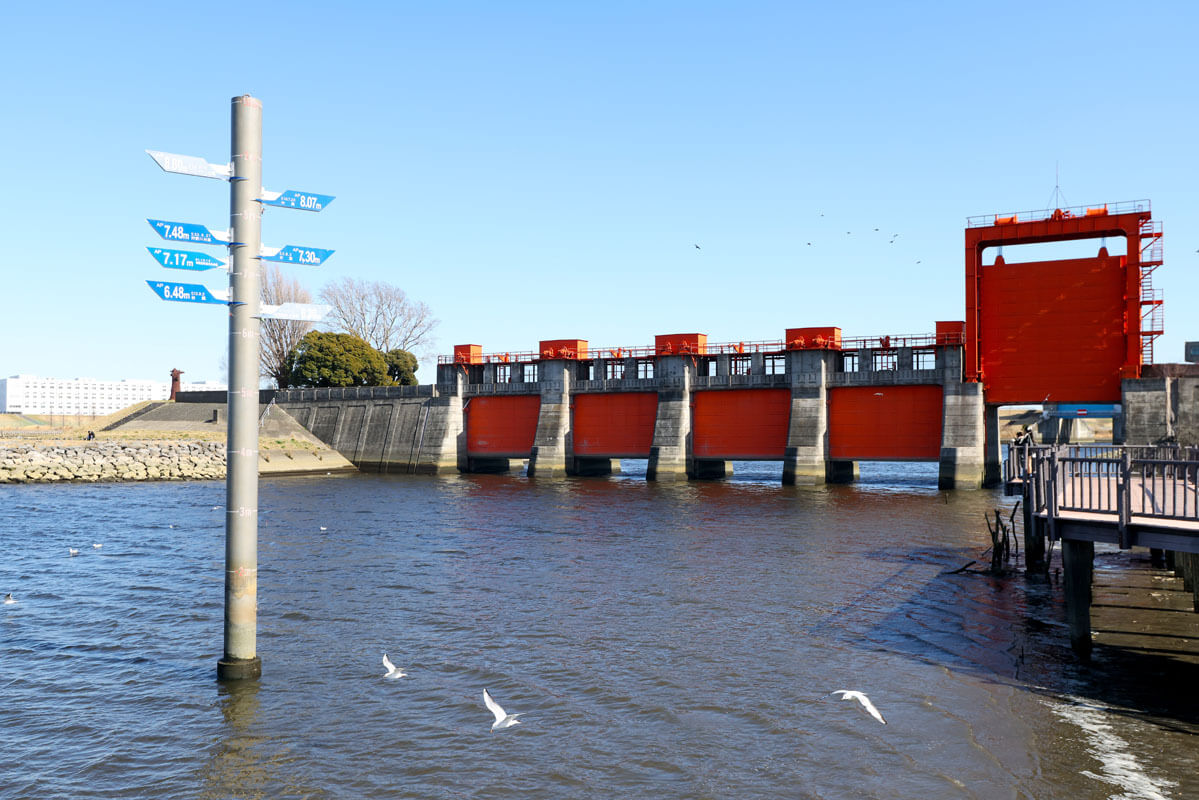
The “Old Iwabuchi Sluice Gate” (Red Water Gate) is a nationally designated important cultural property. Currently, it no longer serves as a sluice gate, and its role has been taken over by the Iwabuchi Water Gate (Blue Water Gate) located downstream.
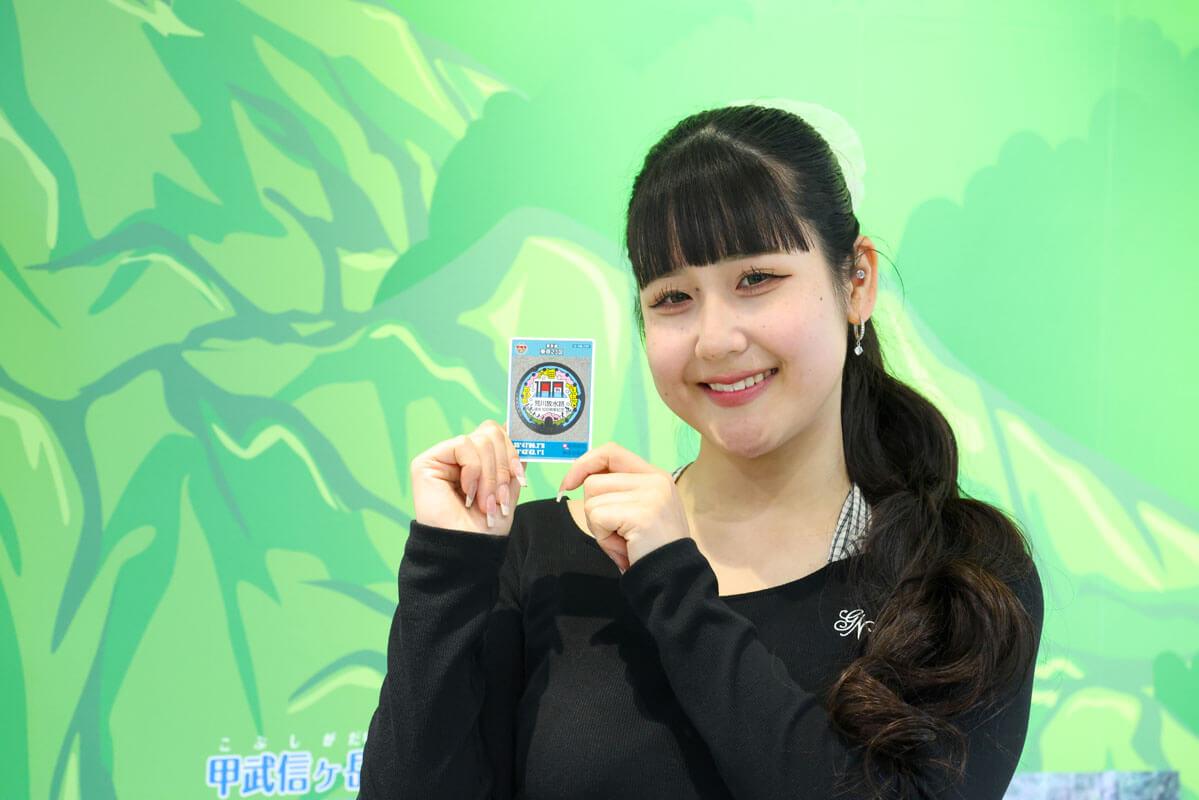
At amoa, you can pick up a manhole card commemorating the centenary of the Arakawa Floodway, which commemorates the 100th year since the Arakawa Floodway discharge ceremony was held. Why not stop by during a stroll along the riverbank and learn about the history of the Arakawa River?
Arakawa Museum of Aqua - amoa
Address:5-41-1 Shimo, Kita-ku, Tokyo
Phone:03-3902-2271
Cost:Free admission
Opening hours:9:30 to 17:00 (10:00 to 17:00 on Saturdays, Sundays, and national holidays) *Closes at 16:30 from November to February.
Closed:Mondays (or the following business day in the case of a national holiday)
Sightseeing/Outing [3]|Kyu-Furukawa Gardens
Enjoy the seasonal flowers and plants at this famous Japanese and Western-style gardens, which have a sense of Taisho Romanticism.
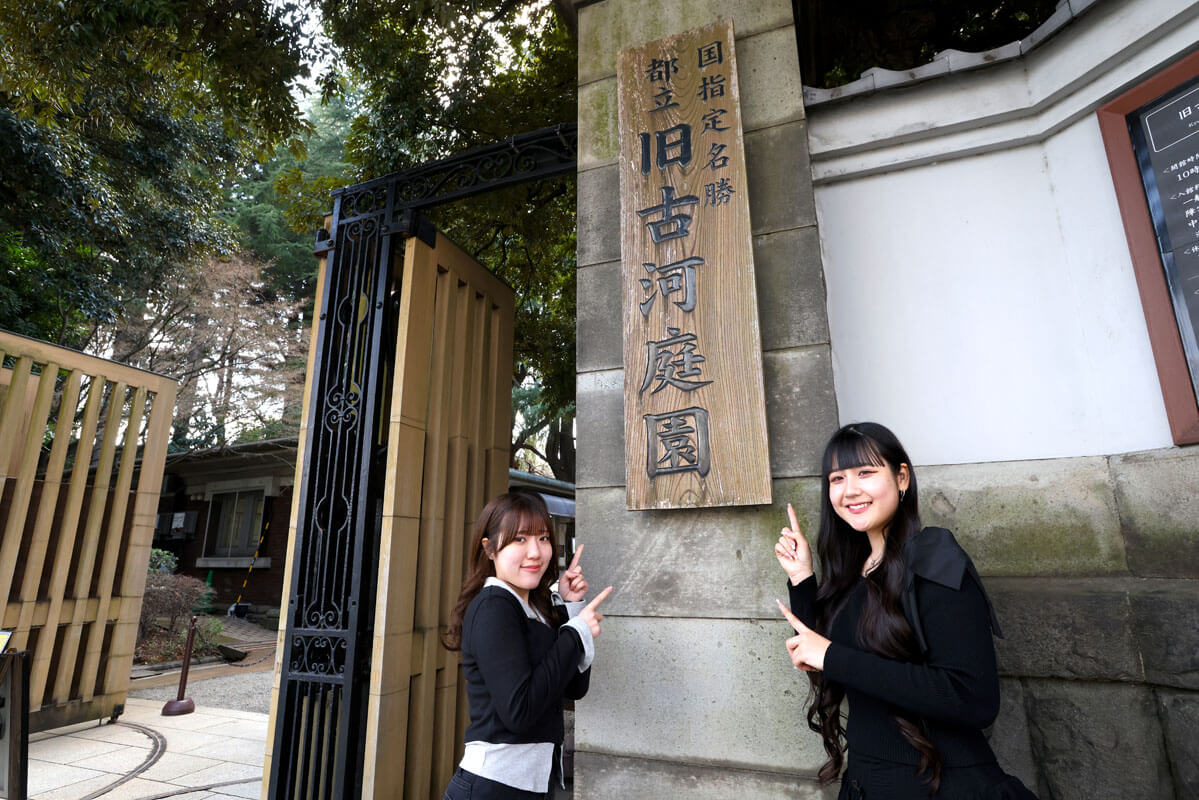
Kyu-Furukawa Gardens were built in the Taisho era (1912-1926) as the residence of Toranosuke Furukawa, the third-generation owner of the Furukawa conglomerate. The approximately 30,000 m² site, which takes advantage of the topography of the Musashino Plateau, includes a Western-style mansion and garden, and a Japanese garden. It is known as a cultural property garden offering both the history and culture of the Taisho era.
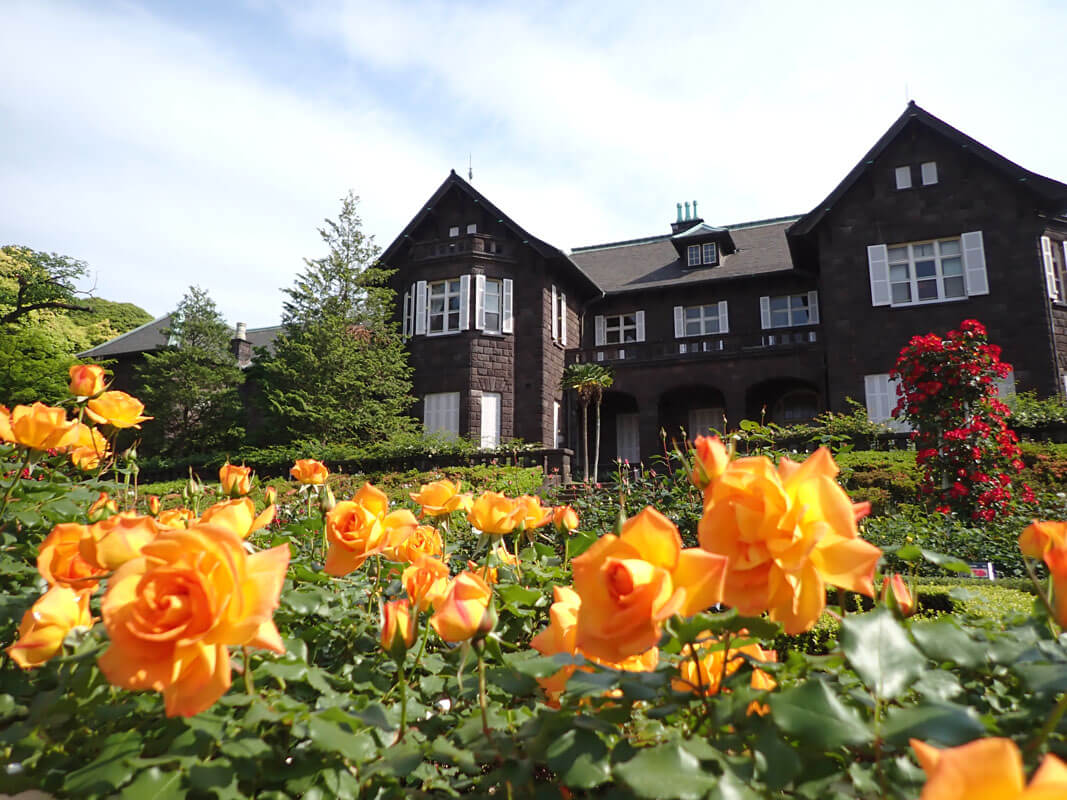
The Western-style mansion (the former Furukawa Residence) and Western-style garden on the hill were designed by Josiah Conder, an English architect who was called the “father of Japanese modern architecture” for his work on the Rokumeikan and the Kyu-Iwasaki-tei Gardens. A rose garden spreads out before you, and 200 roses of 100 varieties bloom in spring and fall.
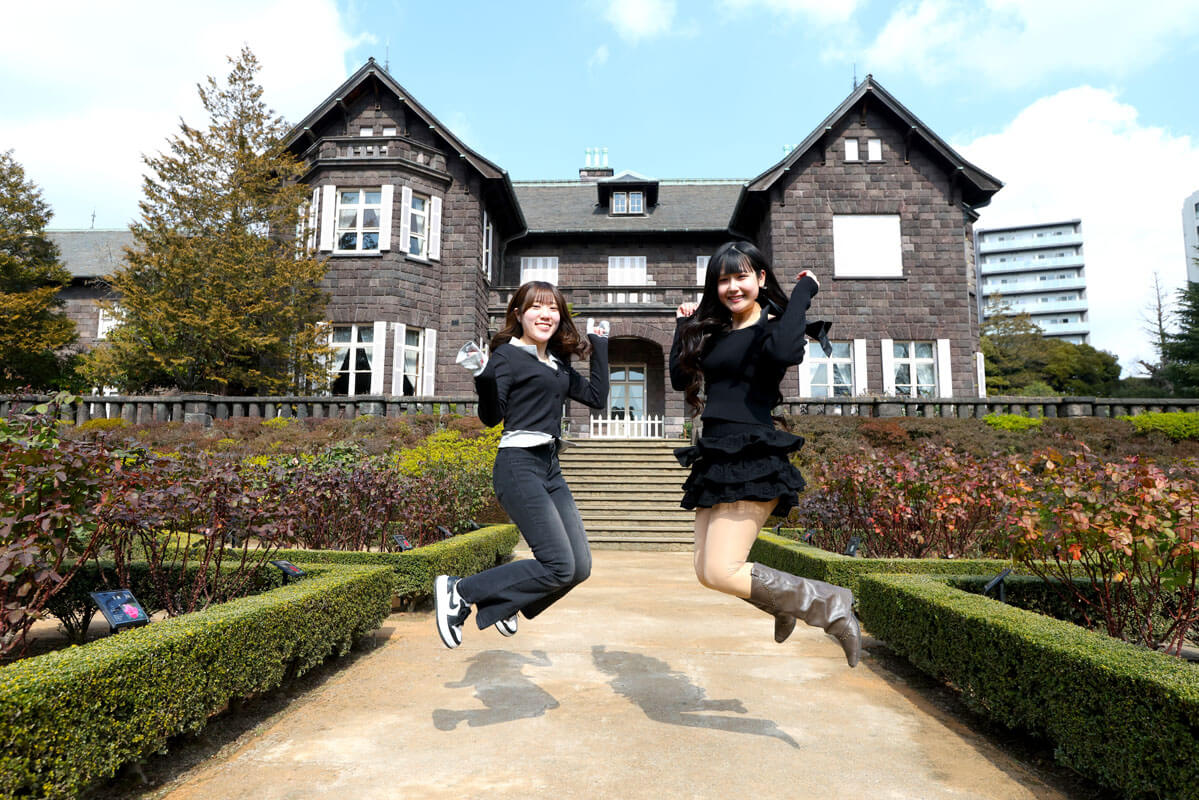
At the stone Western-style mansion (the former Furukawa Residence), you can take a tour of the mansion and use the coffee shop.
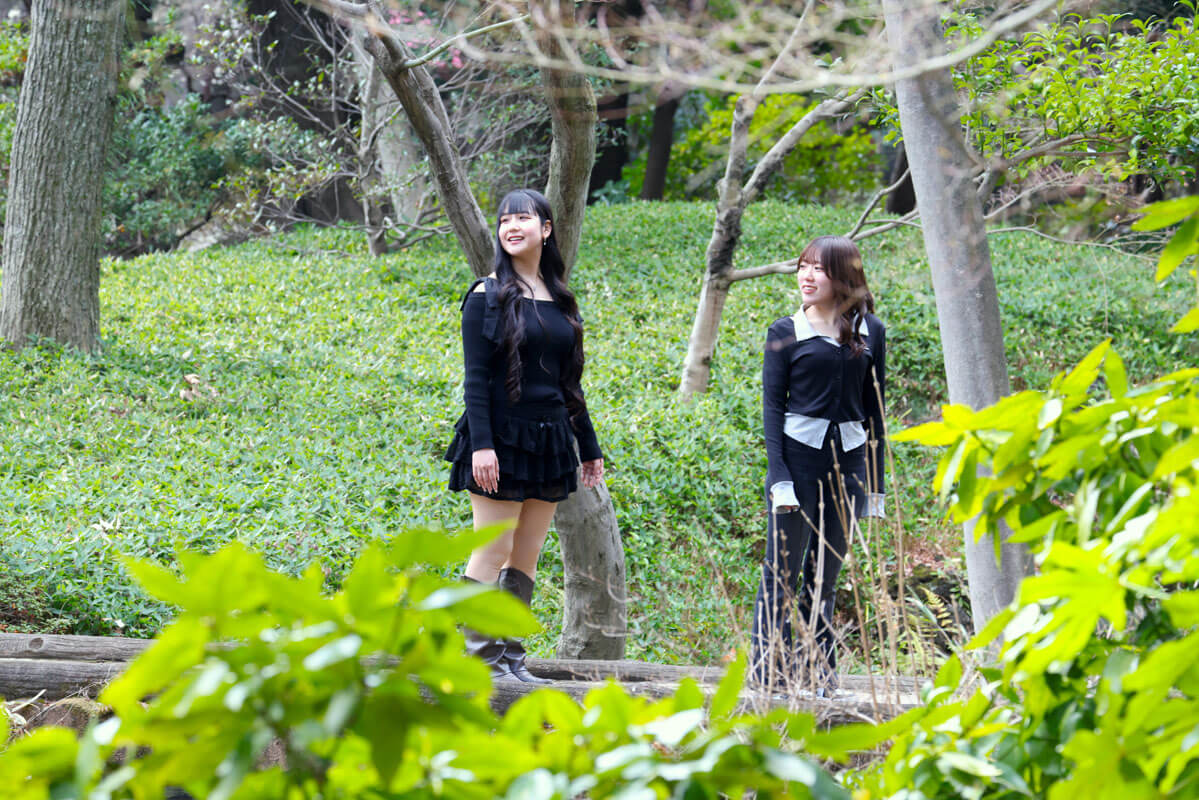
The park is undulating, so it is recommended that visitors come wearing comfortable walking shoes. Walk along the stone pavement and steps to visit the lawns and observation platform.
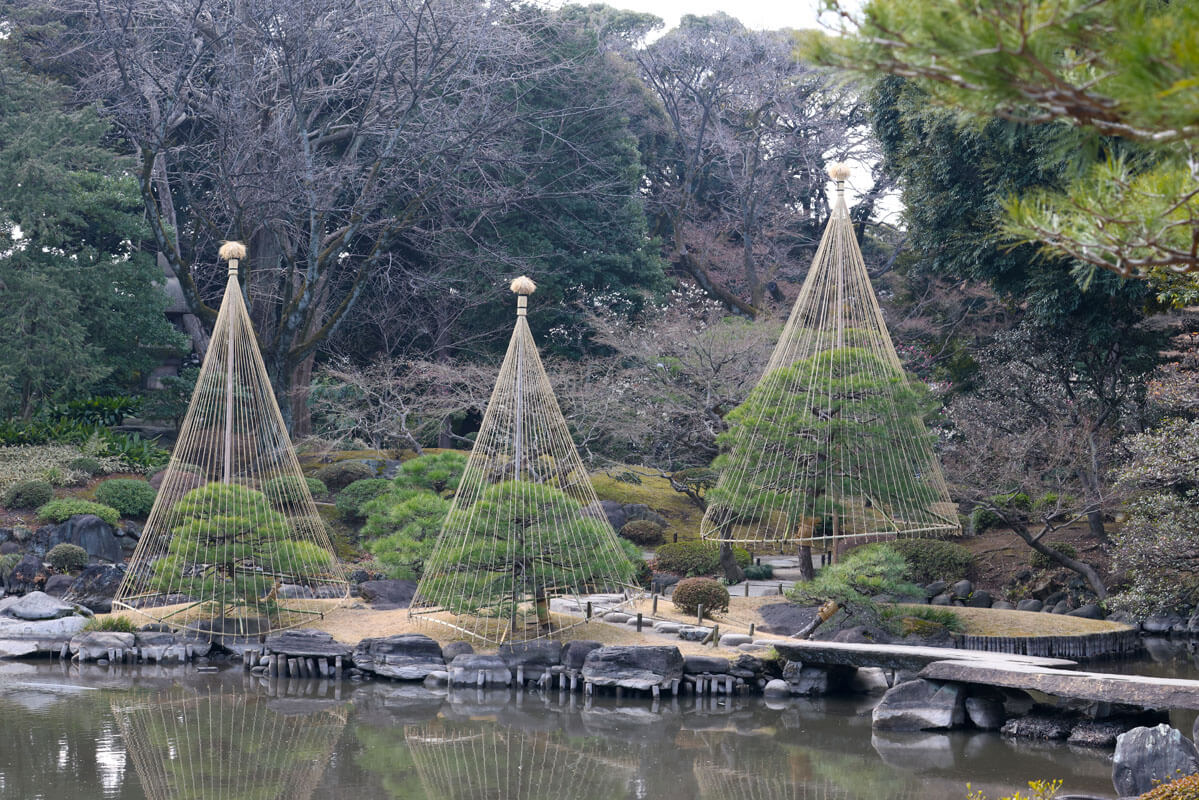
The Japanese garden was created by Jihei Ogawa (who was the seventh generation head gardener, or “Ueji”) of Kyoto, and is centered around a lake in the shape of the Japanese character for “heart”, with a large waterfall, a dry waterfall, and a central island. On the day of the photo shoot, we were able to see the “snow protection slings” on the pine trees, a winter tradition.
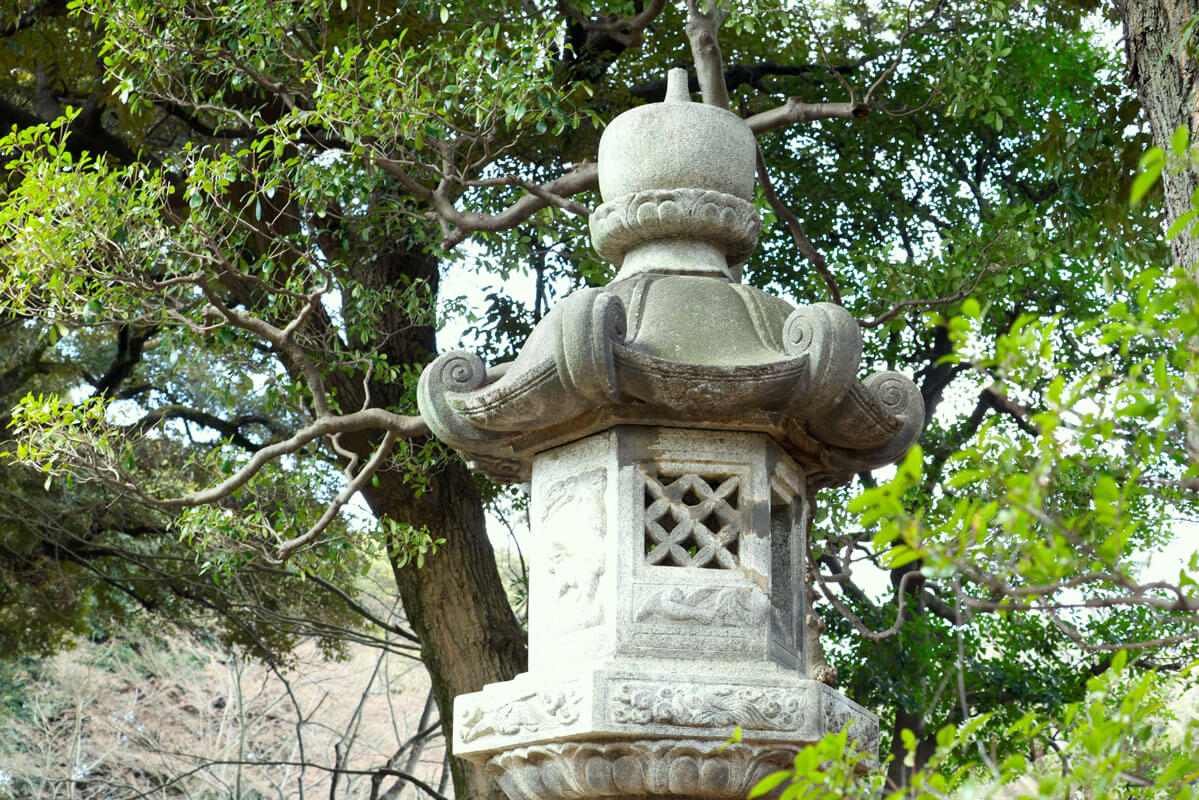
The gardens are also dotted with Okunoin style lanterns engraved with decorations such as peonies, guardian lions, and clouds on the fire boxes. The gardens showcase the best of each season, including cherry blossoms and azaleas in spring, gardenias in summer, ginkgo and maple in autumn, and ume trees and camellia in winter. A Rose Festival is also held in spring and autumn! Why not enjoy the seasons in these historic Taisho era gardens?
Kyu-Furukawa Gardens
Address:1-27-39 Nishigahara, Kita-ku, Tokyo
Phone:03-3910-0394 (Kyu-Furukawa Gardens Service Center)
Cost:150 yen for admission to the park (a separate admission fee applies to the Western-style mansion)
Opening hours:9:00 to 17:00 (last admission to the gardens is 16:30)
Closed:Year-end and New Year periods
Dining [1]|”Ito” home-made noodles
Once you try it, you'll be hooked! Superb niboshi ramen!
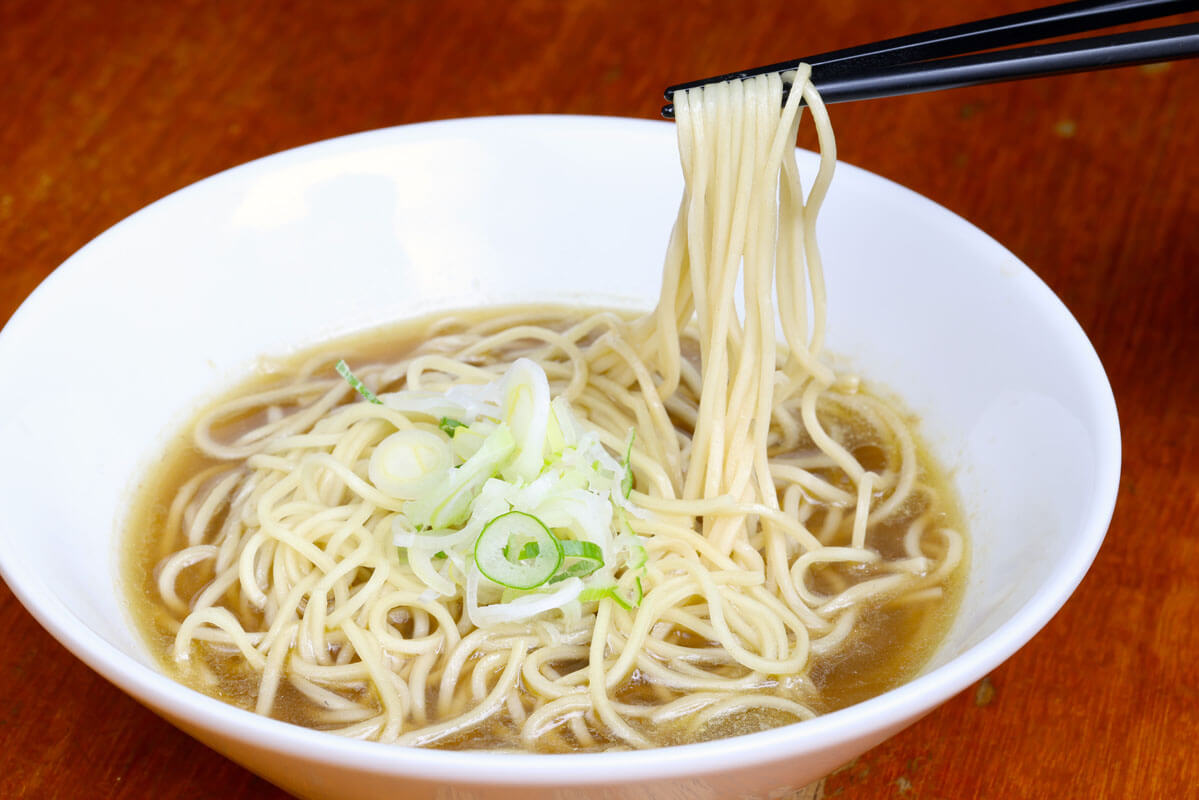
A one-minute walk from JR Akabane Station, Ito has been rated as “Bib Gourmand” in the Michelin Guide for two consecutive years, and is one of Tokyo's most famous niboshi (dried sardine) ramen restaurants.
The standard Chuka Soba (ramen) costing 800 yen is made with homemade straight noodles and a punchy broth extracted with generous portions of the finest dried sardines and kelp.
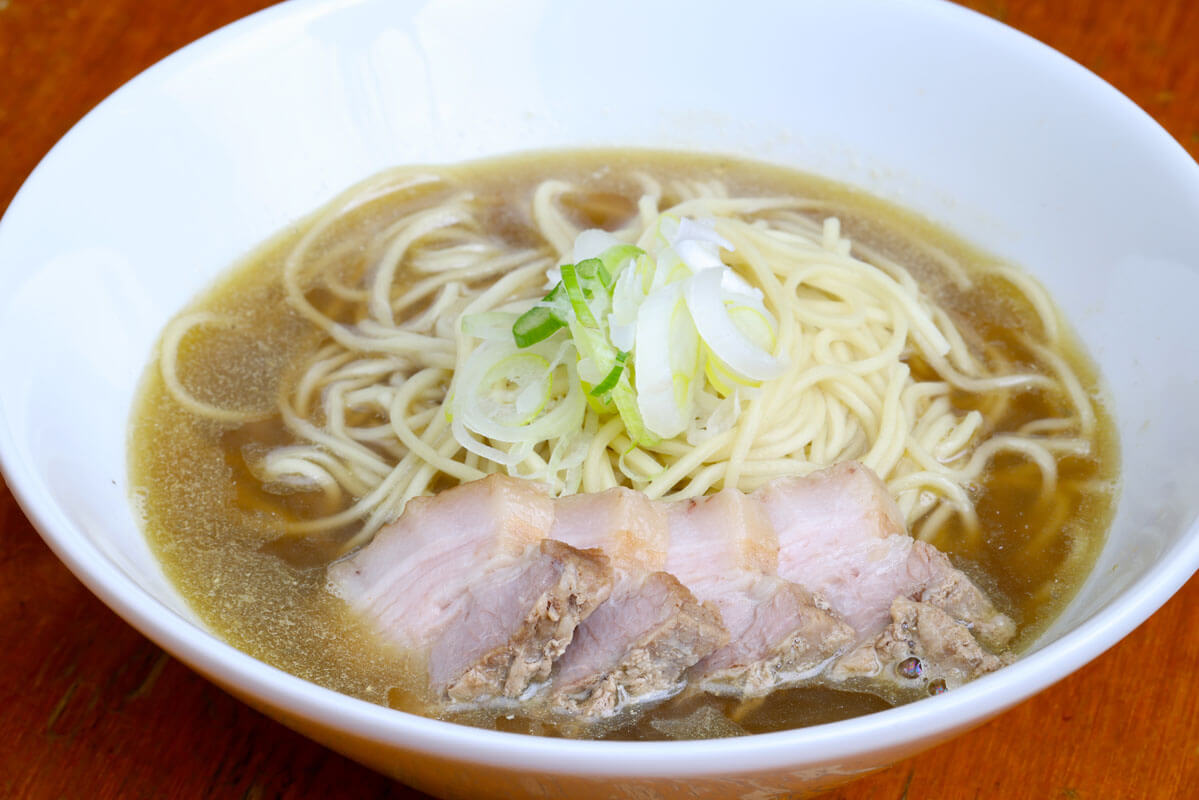
The signature Nikusoba ramen (950 yen) is topped with chashu pork and green onions. The chashu pork is marinated in a special soy-based sauce and has a sweet and succulent melt-in-your-mouth taste.
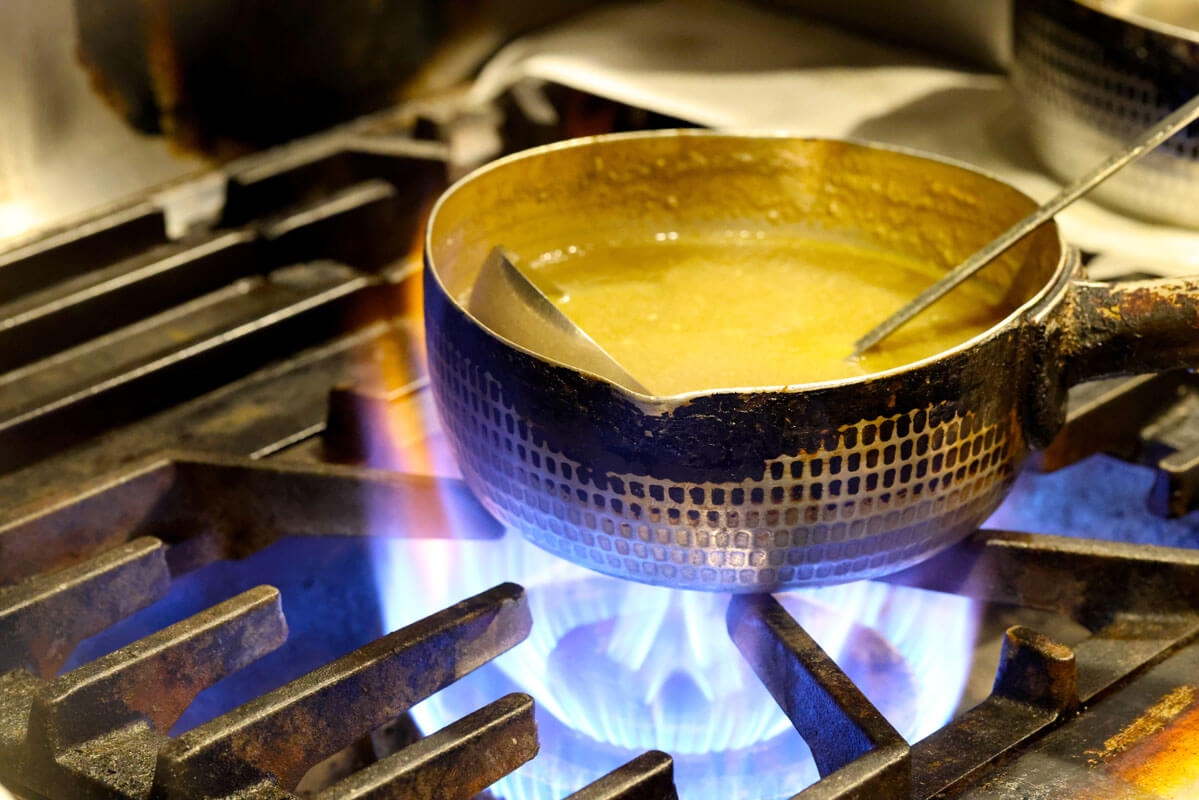
The owner travels in person to Kujukuri in Chiba to buy niboshi dried sardines. An incredible 80 grams of niboshi are used for one bowl of soup.
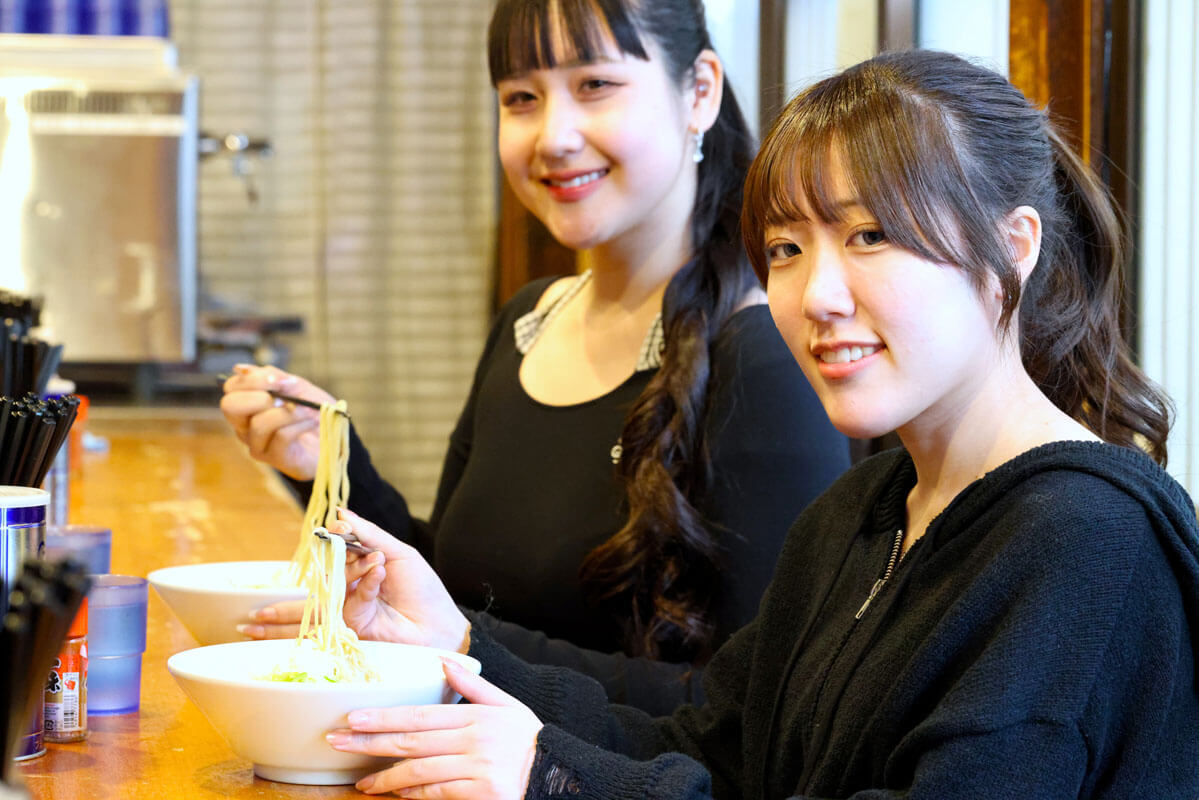
The restaurant only has counter seating. It is almost always full, not only at lunchtime, so you are very lucky if you find a seat.
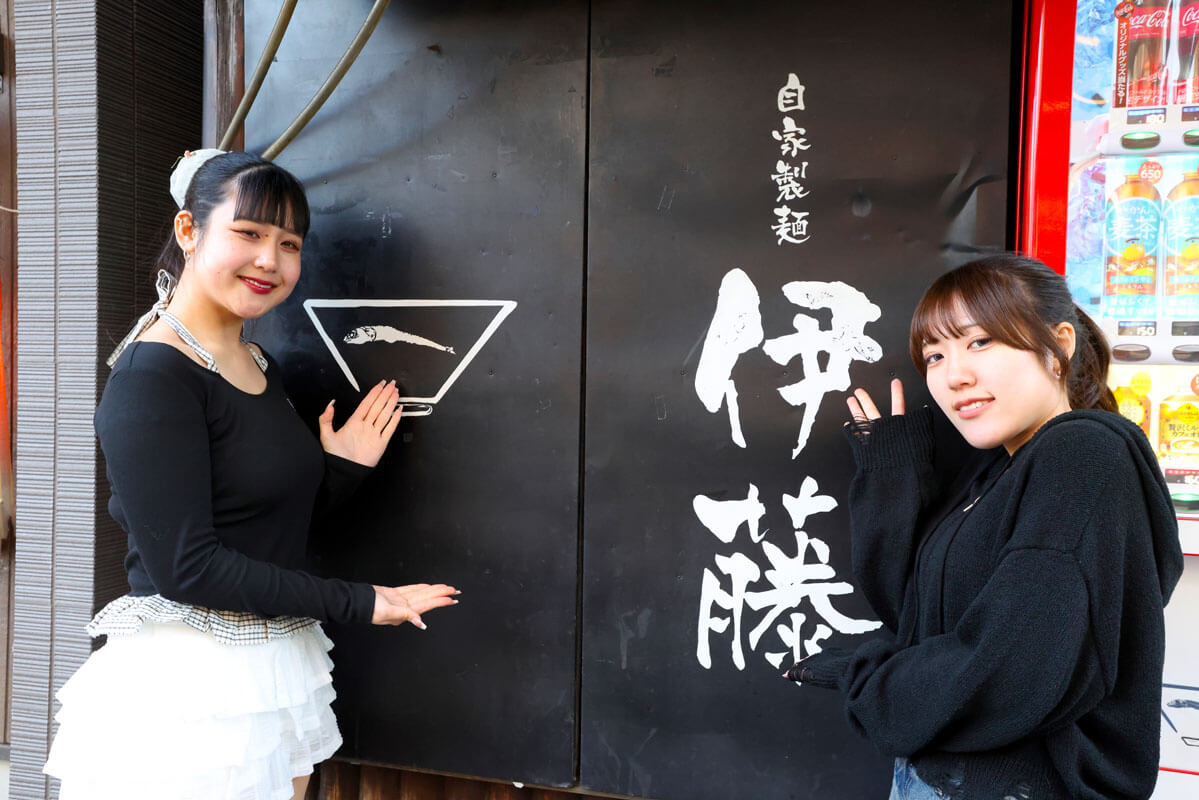
Akabane is rightly proud of Ito’s niboshi ramen, which is made with the utmost care and attention to detail when selecting ingredients. Open until late at night, it is also a great place to enjoy a bowl of ramen to finish up after drinking.
“Ito” home-made noodles
Address:1-2-4 Akabane, Kita-ku, Tokyo
Phone:03-3598-2992
Opening hours:11:00 to 24:00 (11:00 to 23:00 on Saturdays and national holidays) *Closes early when the restaurant runs out of ingredients.
Closed:Open every day
Dining [2]| "Mimasu no Tonari” kaku-uchi standing sake bar
The sake and delicious nibbles are certain to delight you! The popular bar is run by three sisters.
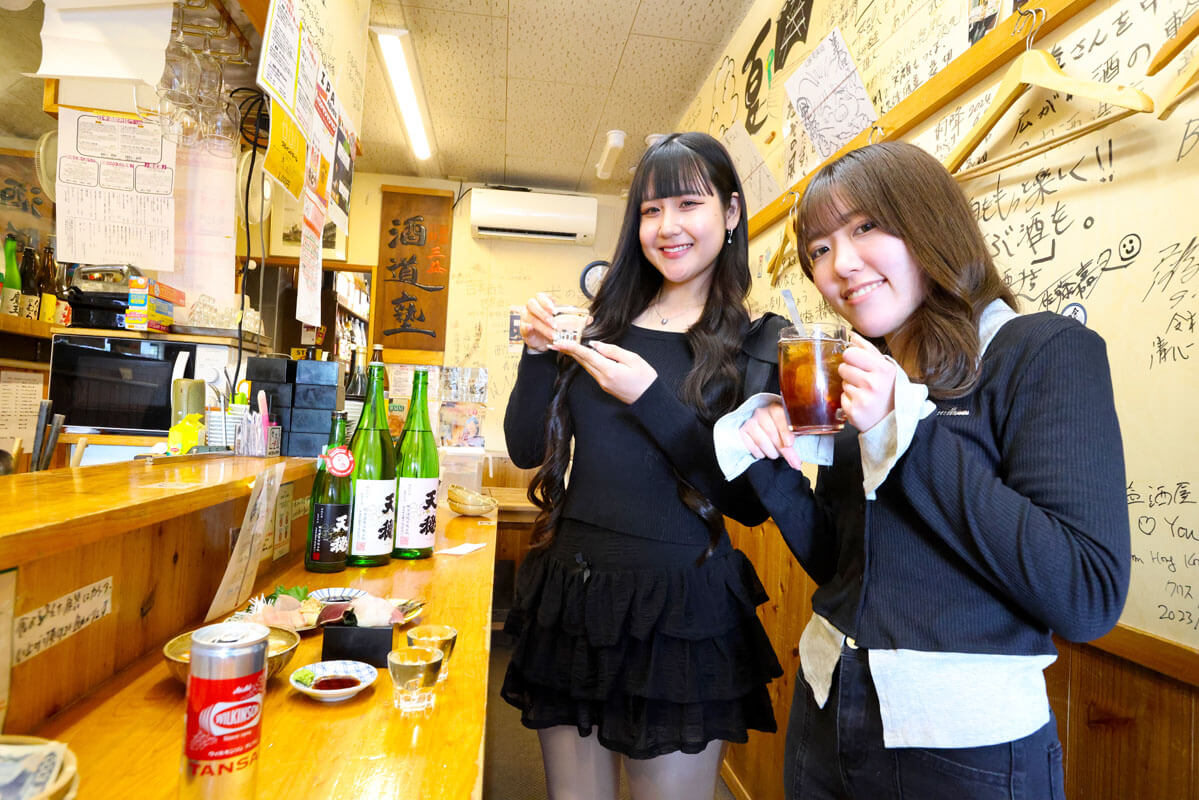
Kaku-uchi means standing in a corner of an alcoholic beverages shop to drink sake. Mimasu Saketen sake shop has a space dedicated to kaku-uchi (a standing sake bar) next to the sake sales space. This is a popular place for locals to relax and socialize.
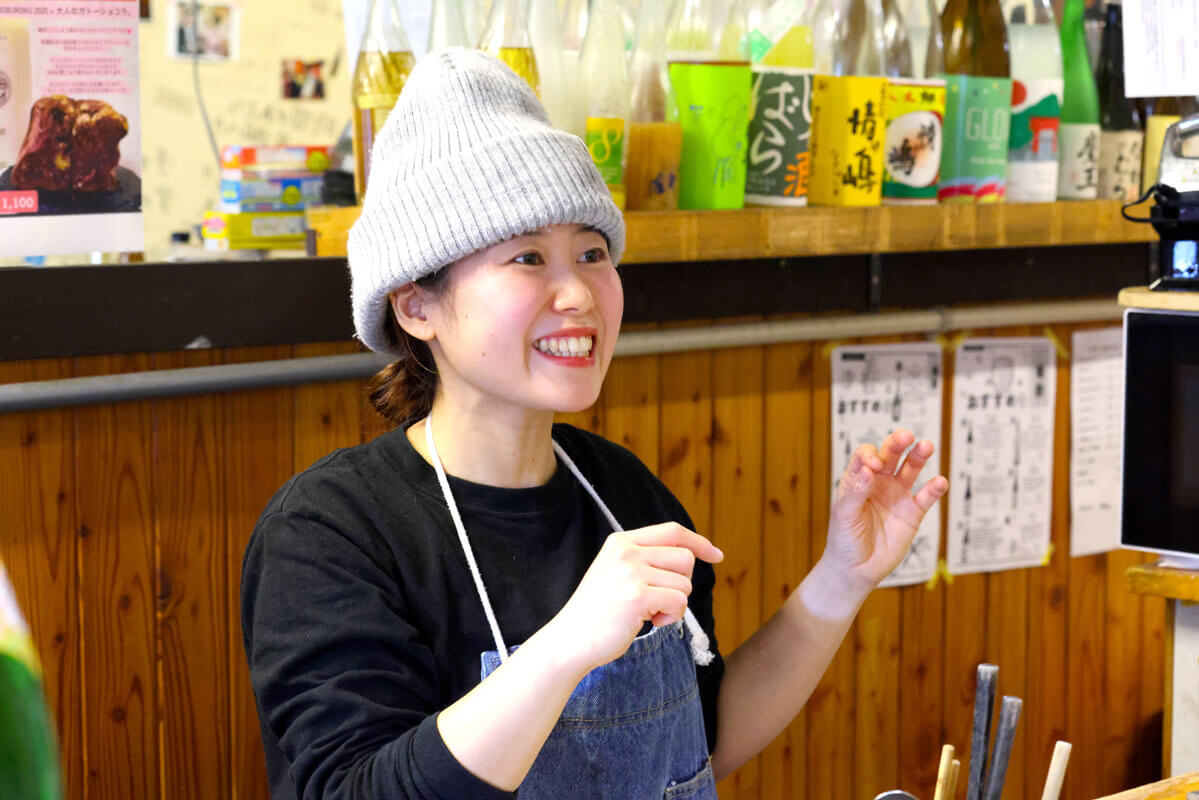
Mimasu Saketen is a sake shop run by three sisters who are sake advisors, as well as members of the older generation. Mika, the third daughter, is the main manager of Mimasu no Tonari.
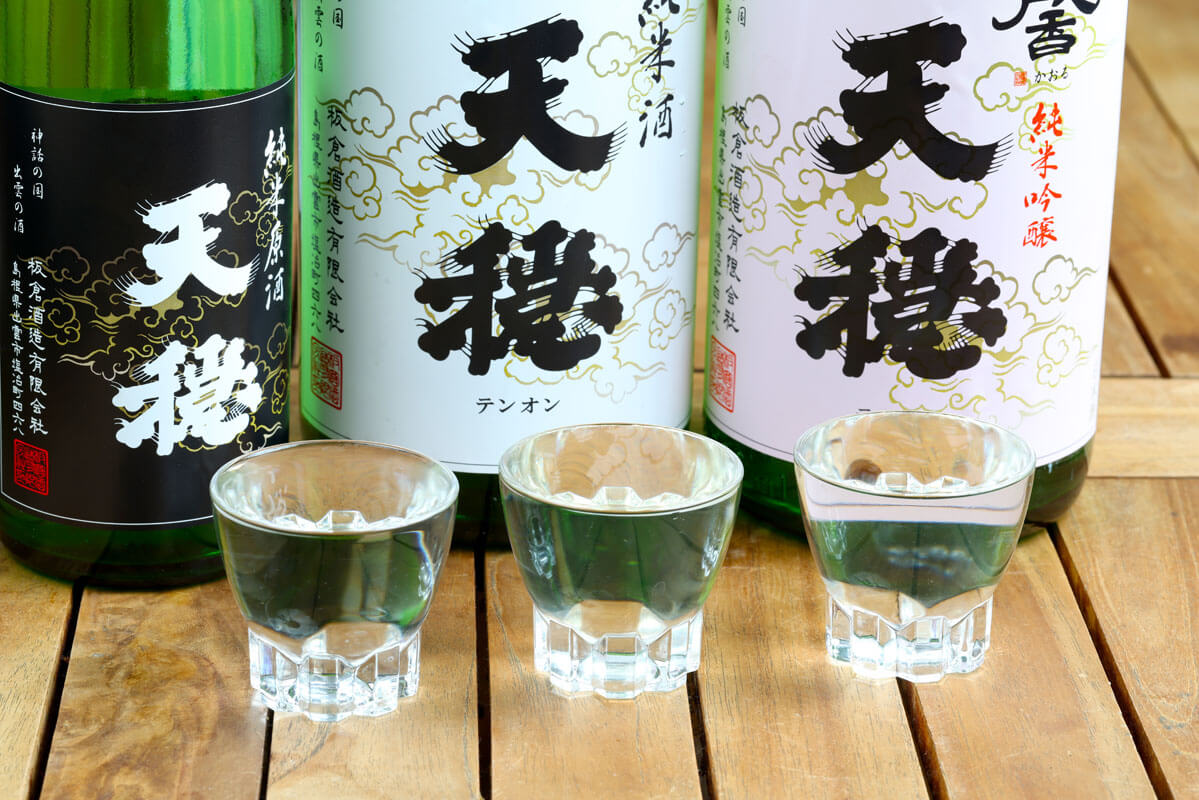
“Sake Comparison A Set” costs 1,000 yen (the price sometimes changes) and includes three well-known sake from Shimane Prefecture's Itakura Sake Brewery under the “Tenon” brand: a new rice first raw sake, a junmai sake, and junmai-ginjo sake. You can also try other carefully selected seasonal sake, such as Niigata Prefecture’s "Tsubakuro,” Okayama Prefecture's “Gozenshu,” and Gunma Prefecture’s “Gunma Izumi.”
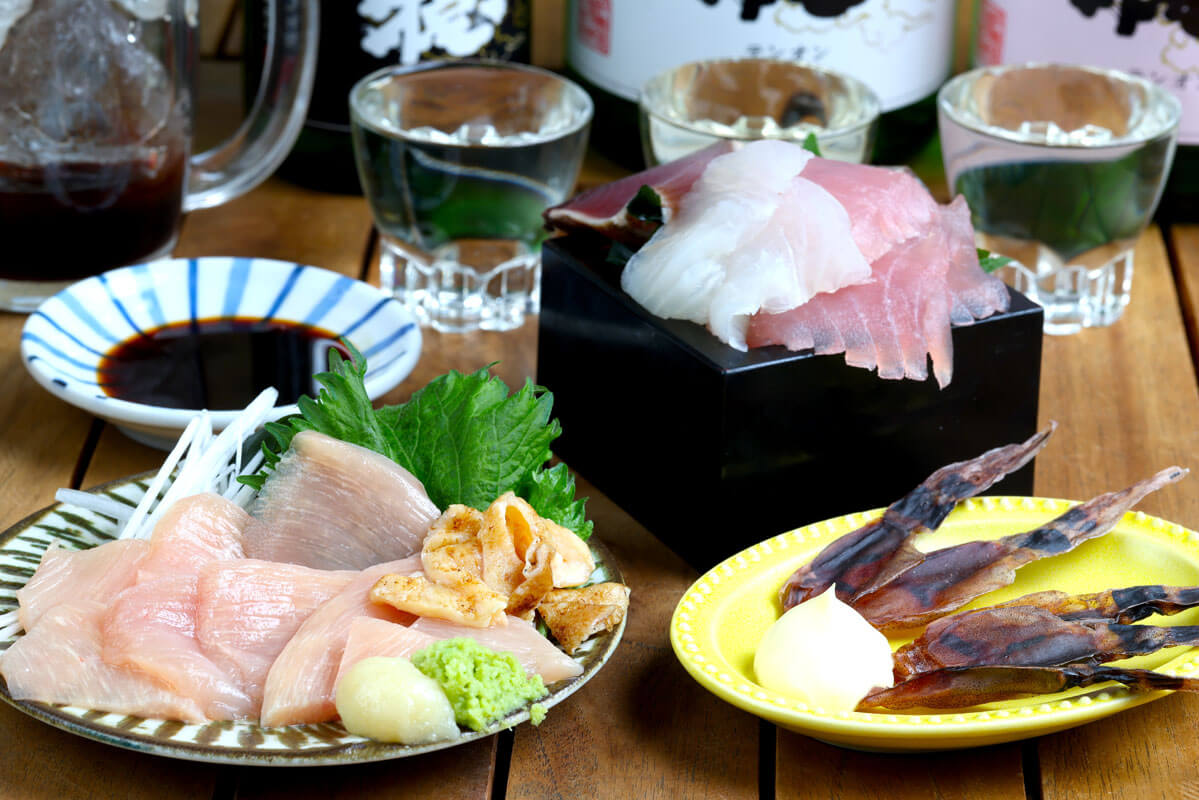
Mika, a licensed chef, prepares a la carte dishes that allow diners to simply savor the deliciousness of the ingredients. “Torisashi Kyushu-Shoyu” is a chicken sashimi costing 600 yen, while “Masumori (assorted sashimi)” costs 800 yen. “Toyama Meisan Hotaruika” is a firefly squid dish costing 450 yen and seared with a special lighter (*No smoking inside the restaurant).
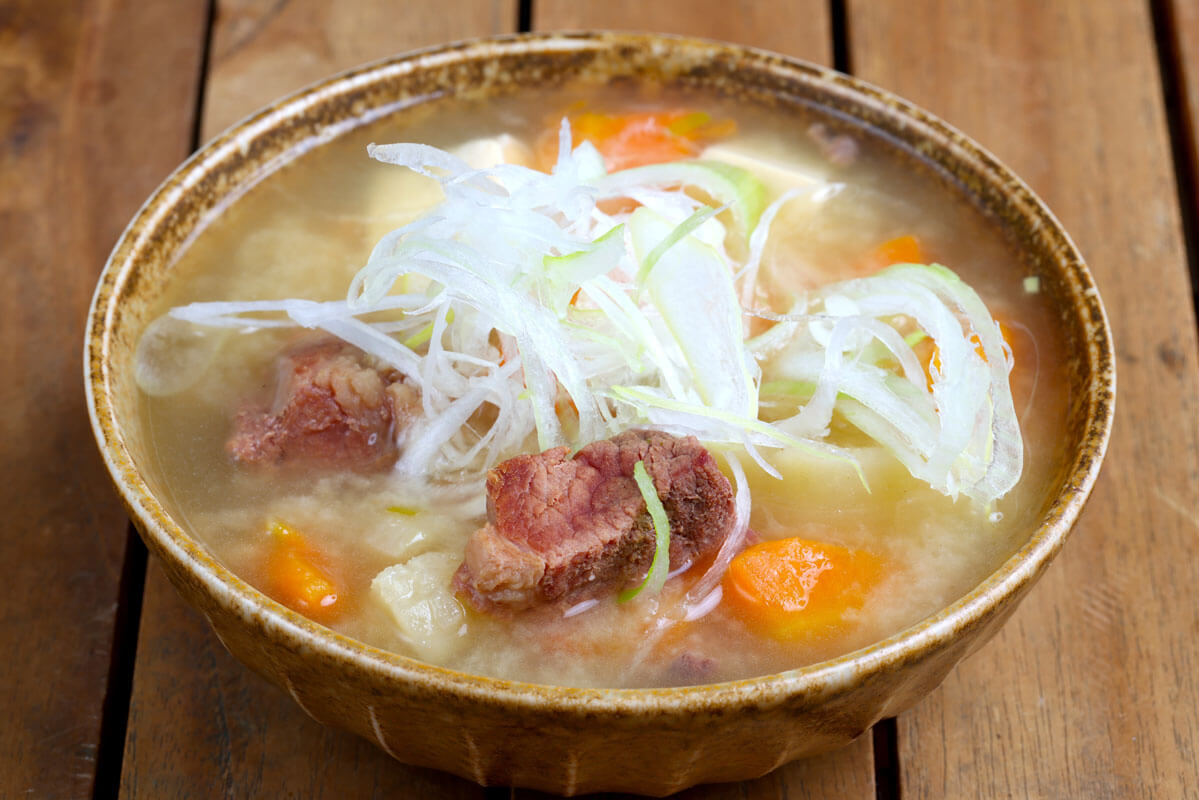
“Inoshishi no Yakumi Miso Nikomi” is a wild boar dish costing 650 yen. It uses a generous amount of green onions and ginger along with the boar meat, and warms you to the core.
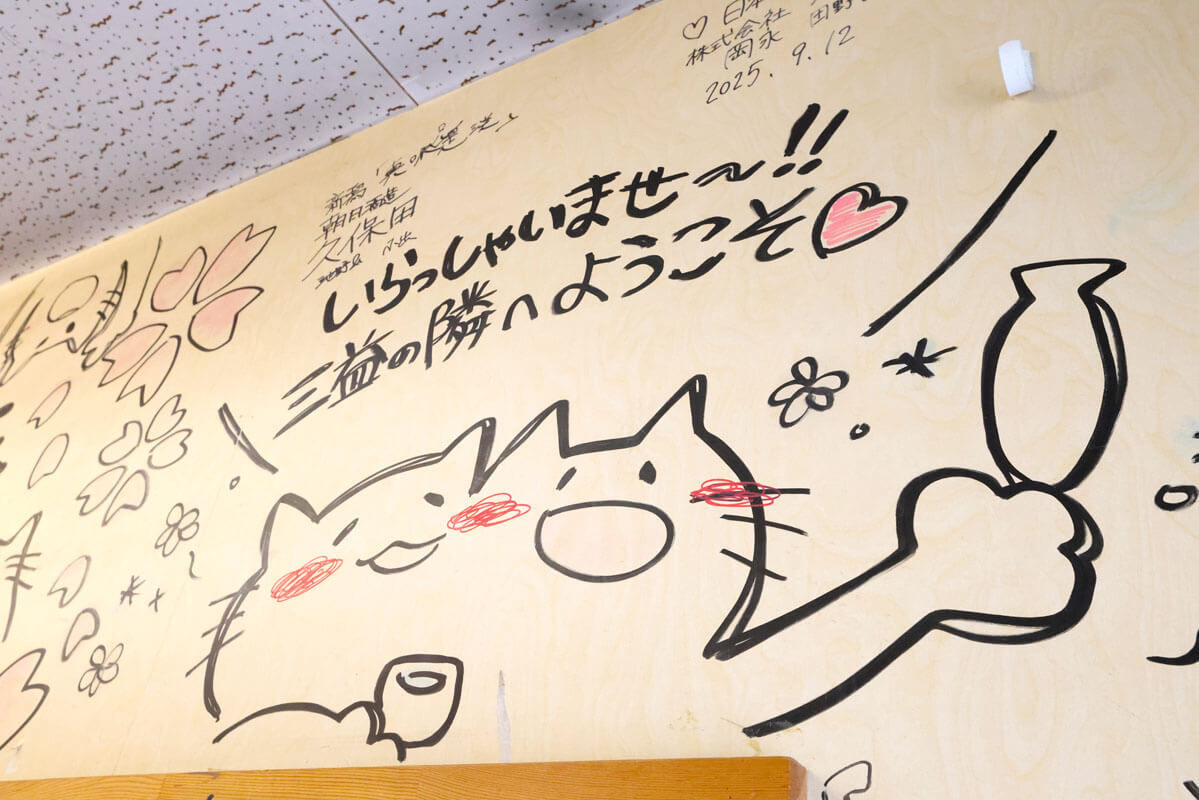
Looking up at the wall, you can see cute illustrations drawn by the staff, surrounded by comments from brewery owners and staff who have visited from all over Japan.
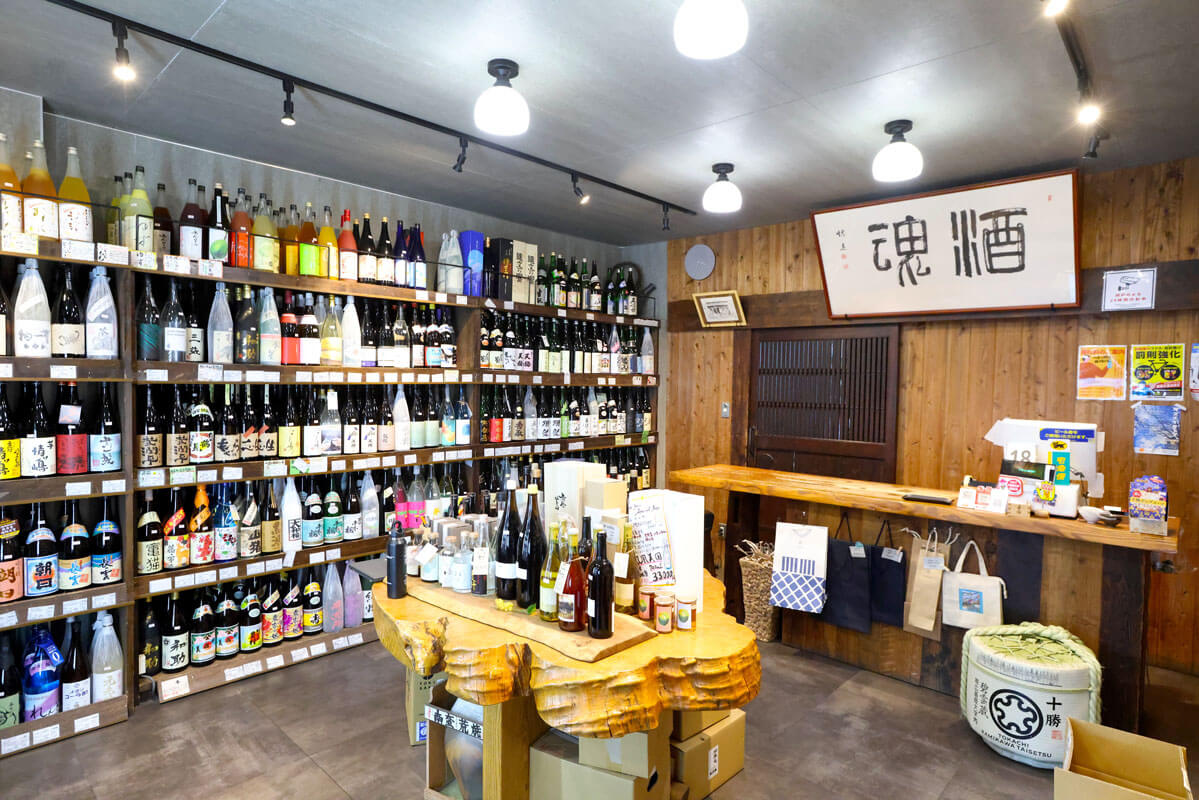
Mimasu Saketen was established in 1948 and has specialized in selling locally brewed sake from various regions of Japan that are not available in the immediate area. Later, the third-generation sisters Miho, Yumi, and Mika, set up a kaku-uchi standing sake bar and gained a reputation for offering rare regional sake and nibbles. The three sisters’ repeated trial-and-error process was aired in the documentary The Nonfiction and it became a popular topic of conversation.
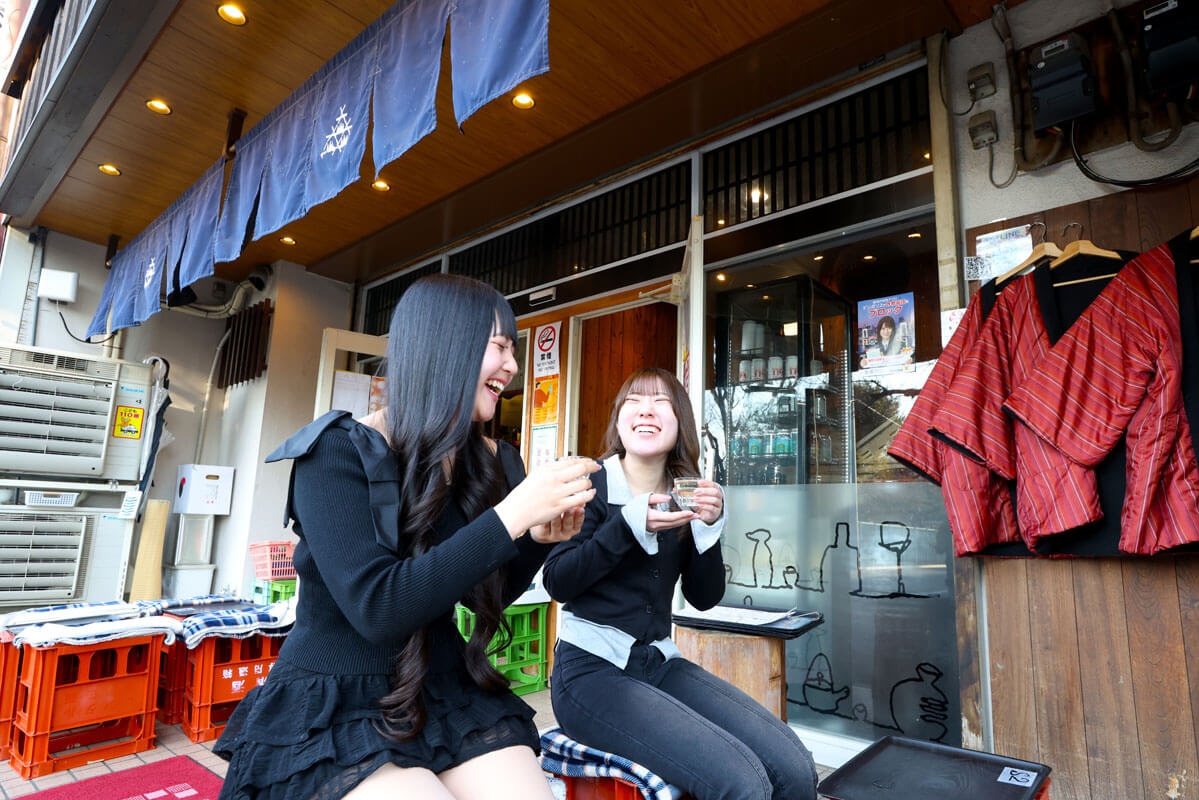
The outdoor eating and drinking area is always crowded with regulars. It is delightful to see the sisters' care for their customers. This includes providing hanten (a short coat) to be worn by customers on cold days.
Why not enjoy limited edition sakes from various regions with some delicious snacks at a standing sake bar where you will be welcomed by three cheerful and fun sisters?
"Mimasu no Tonari” kaku-uchi standing sake bar
Address:9-1-7, Kirigaoka 1-Chome, Kita-ku, Tokyo
Phone:03-3907-0727
Opening hours:16:00 to 20:00 (Saturdays, Sundays, and national holidays: 13:00 to 18:00)
Closed:Mondays and Tuesdays
Mimasu Saketen
Opening hours:10:00 to 20:00 (Tuesdays, Saturdays, Sundays, and national holidays: 10:00 to 19:00)
Closed:Mondays
Dining [3] “Aocho Akabane” oden and genshiyaki
Is there really an all-you-can-eat oden option for 550 yen? An izakaya that is incredibly good value for money.
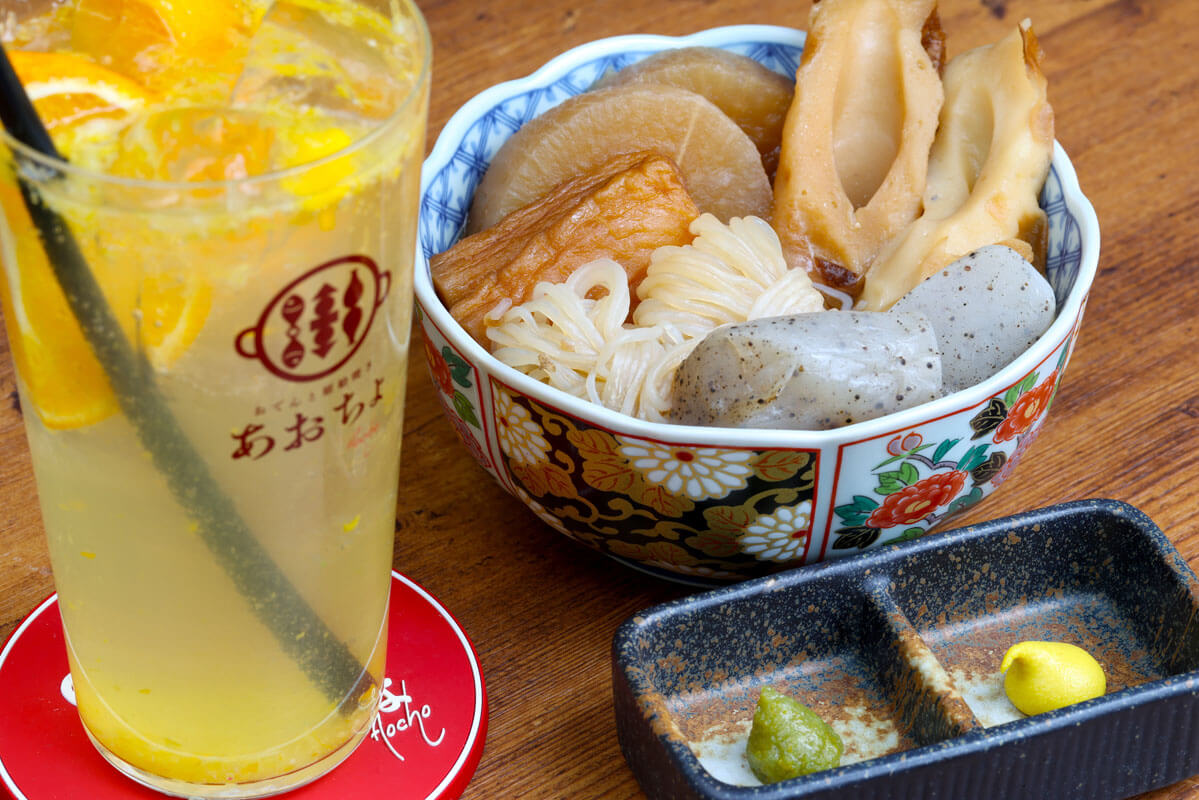
Aocho Akabane is an izakaya (Japanese-style pub) where you can enjoy oden and genshiyaki (charcoal-grilled dishes) in a sophisticated, modern space. Oden stewed in its own blend of dashi broth prepared by a dashi expert costs just 550 yen for all you can eat! The slowly simmered daikon radish and chikuwa fish paste are soaked in the broth and are indescribably delicious.
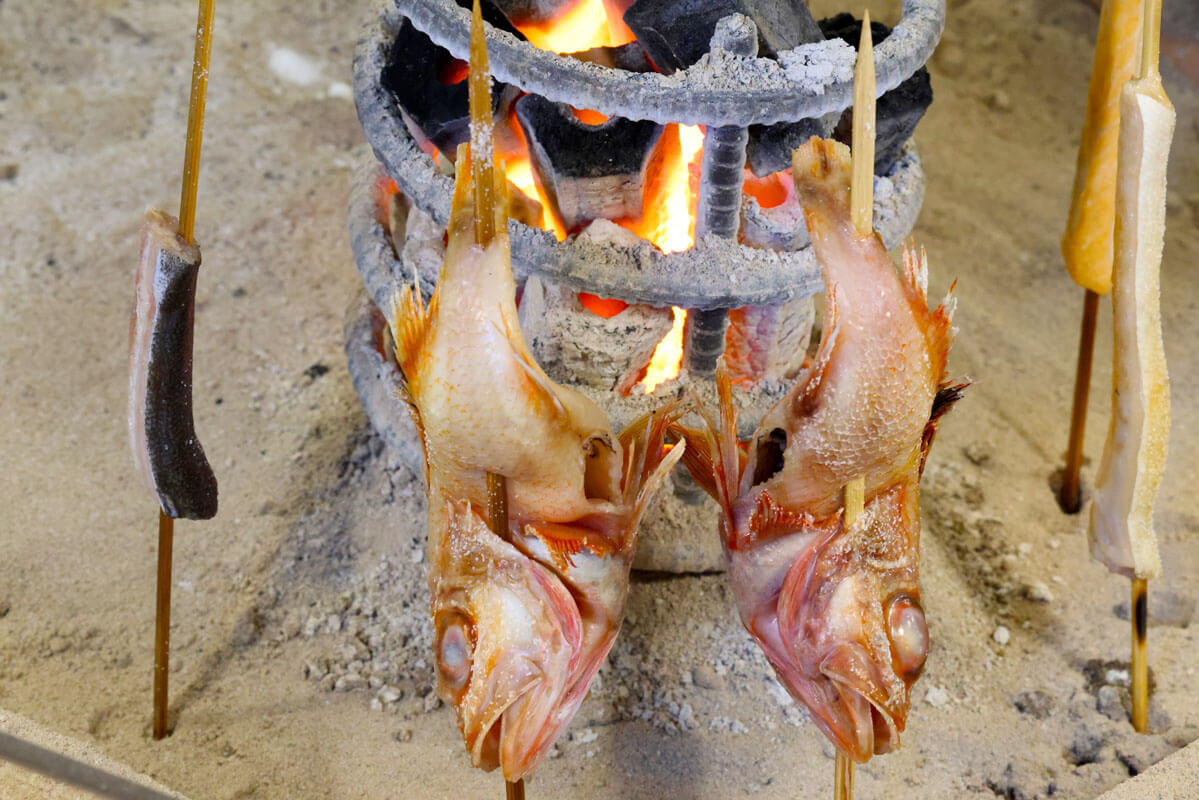
This is genshiyaki, which is charcoal-grilled on the fireside in front of the counter after the order is placed. Slow grilling over direct heat brings out the umami flavors of the ingredients.
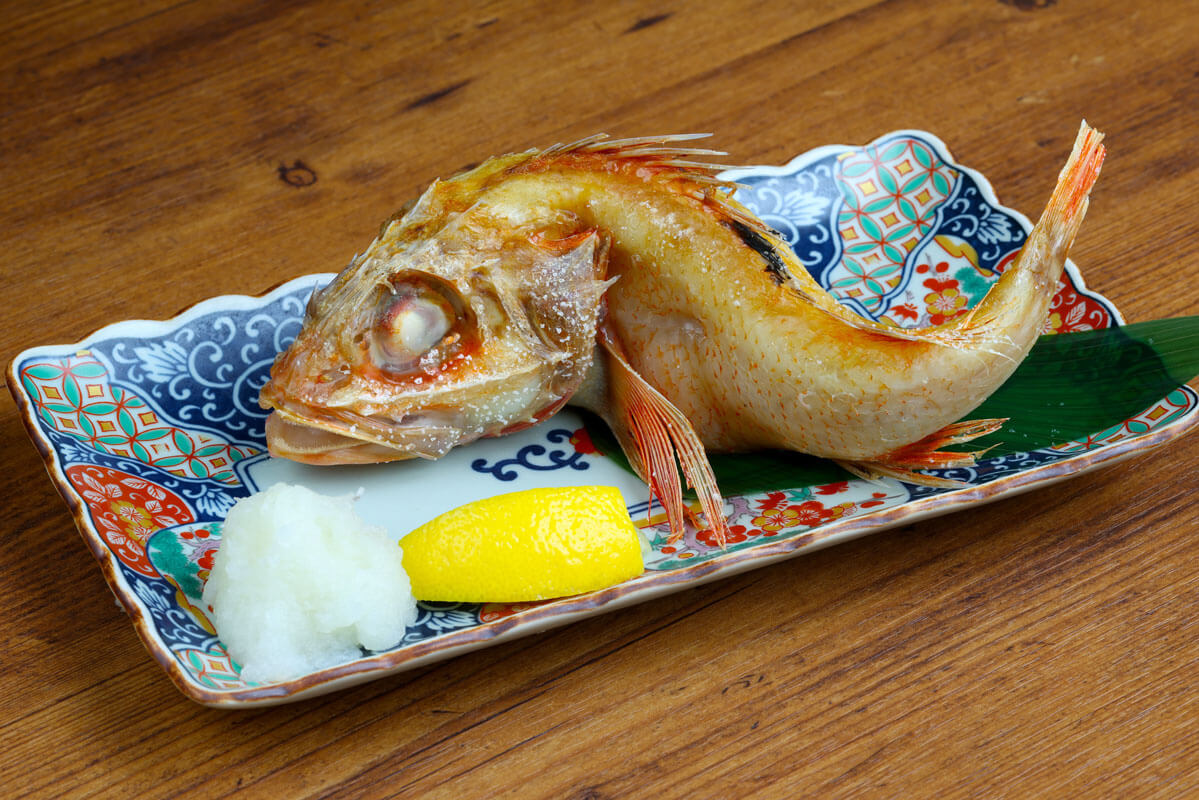
Kinki (Kichiji rockfish) is a prime fish dish that takes about 40 minutes to grill and costs 1,980 yen. There are six other types of genshiyaki, including king prawns, sablefish, and eggplant.
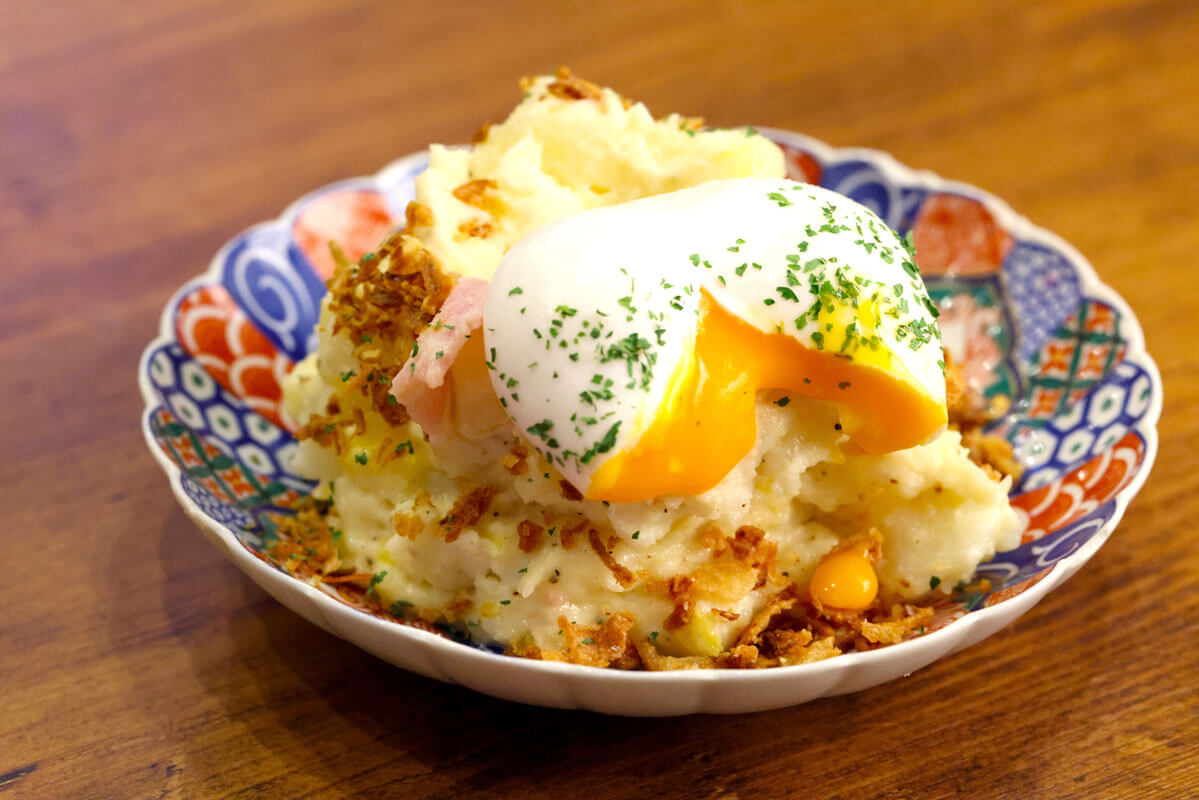
The “Aocho Potato Salad” is a creamy potato salad topped with a half-boiled egg and costs 638 yen. The potato salad contains takuan pickled radish with a delightful texture.
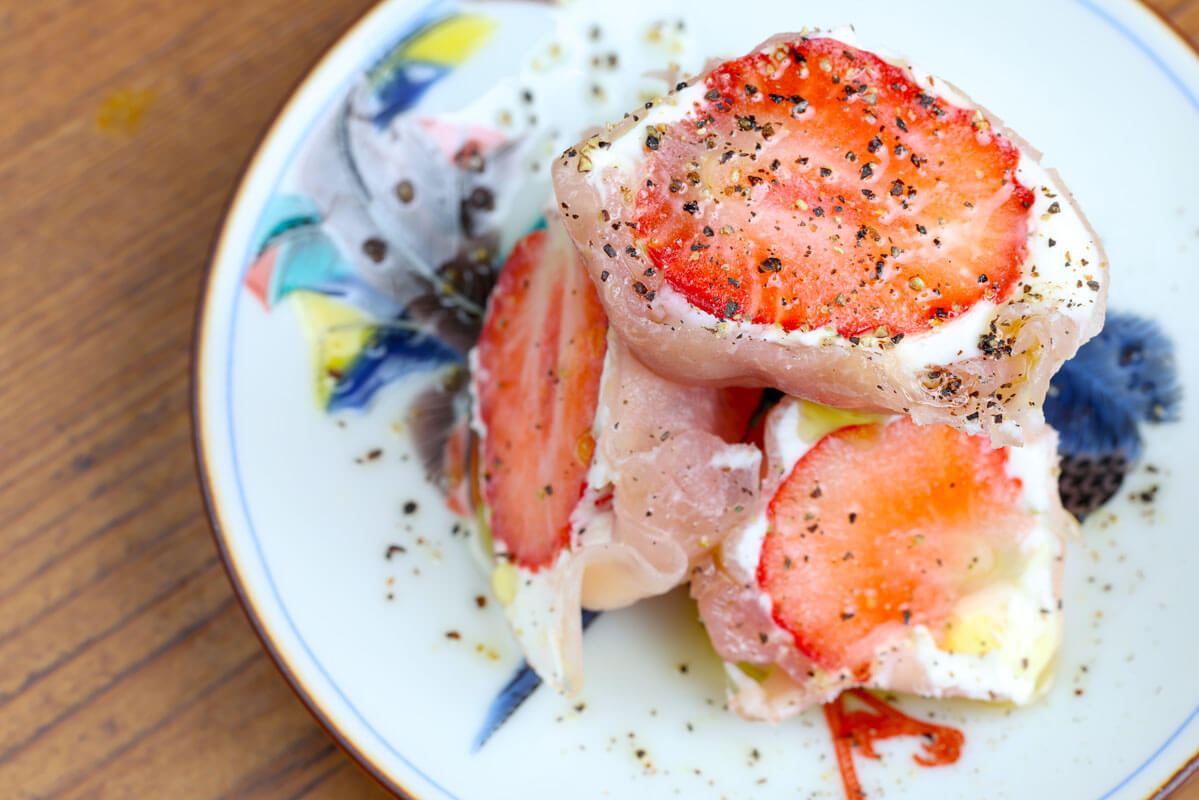
The “Seasonal Fruit, Dry-cured Ham and Cheese" combines seasonal fruit, dry-cured ham and cream cheese for 924 yen. The acidity of the fully-ripened strawberries and cheese is exquisitely balanced with the saltiness of the dry-cured ham.
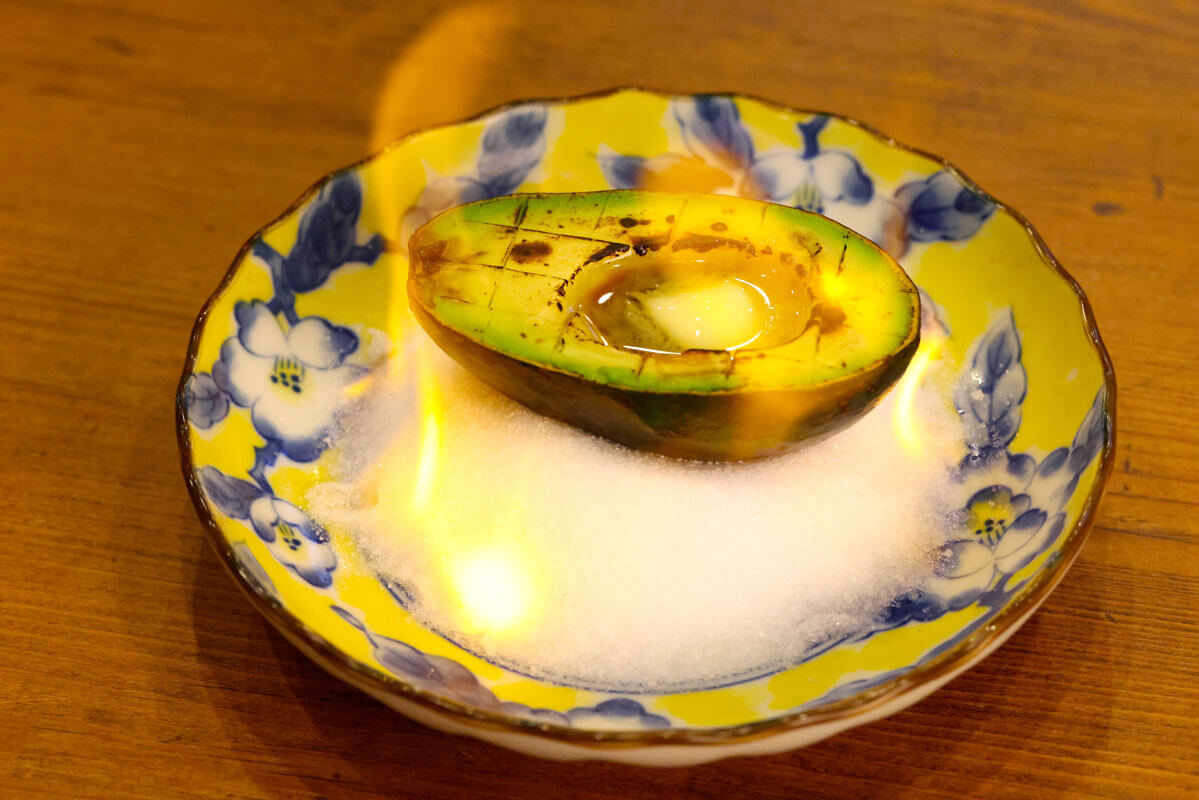
The flame-grilled avocado is really impressive! “Flame Grilled Avocado” costs 638 yen. The butter and soy sauce inside the avocado melt, giving the dish an appetizing, melt-in-your-mouth texture.
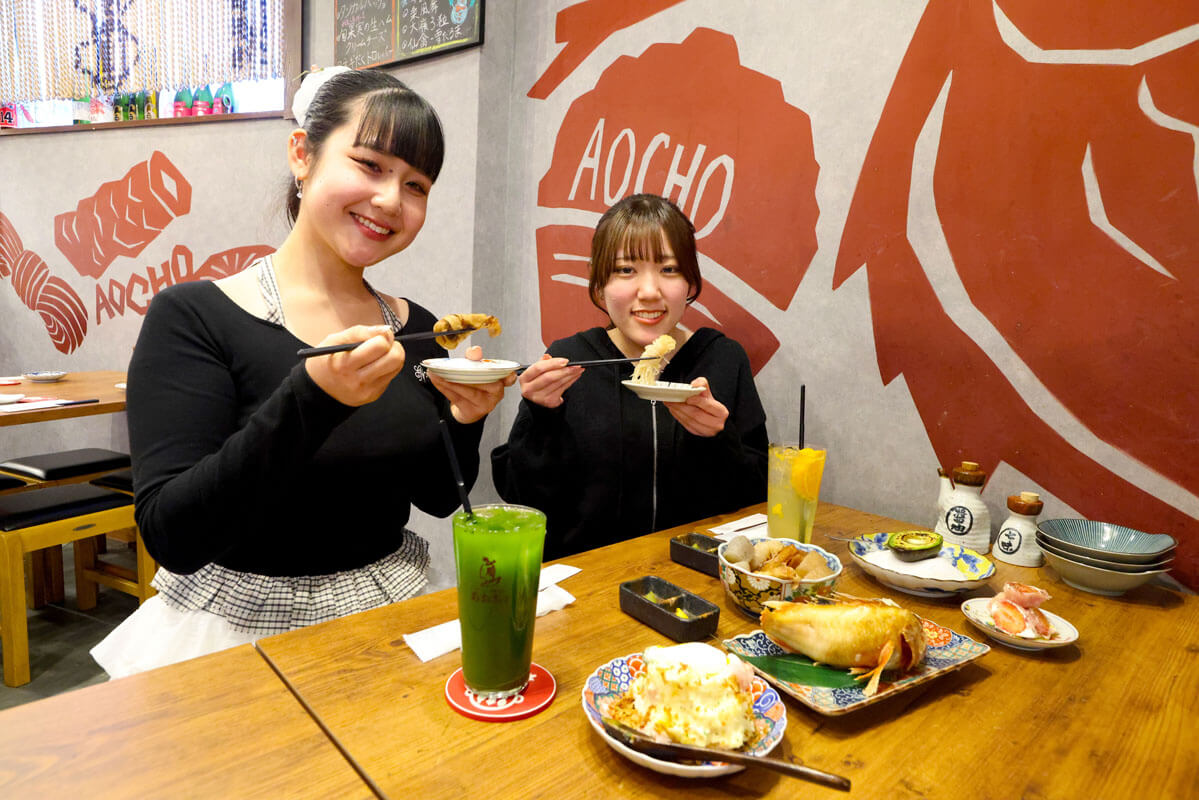
Aocho offers a wide variety of alcoholic beverages, including sake carefully selected from all over Japan, varieties of alcoholic drinks mixed with tea, sour cocktails, and other cocktails, as well as a very economical two-hour all-you-can-drink-and-eat oden option for 2,530 yen. It is recommended for those who want to eat and drink to their heart’s content.
“Aocho Akabane” oden and genshiyaki
Address:3F Daikokuya Building, 1-22-2 Akabane, Kita-ku, Tokyo
Phone:050-5448-6716
Opening hours:16:00 to last orders at 22:30 (Saturdays, Sundays, and national holidays: 13:00 to last orders at 22:30)
Closed:Open every day
Shopping [1] | akabane anko
Japanese sweets wrapped in Danish pastry, irrestible for anko (red bean paste) lovers
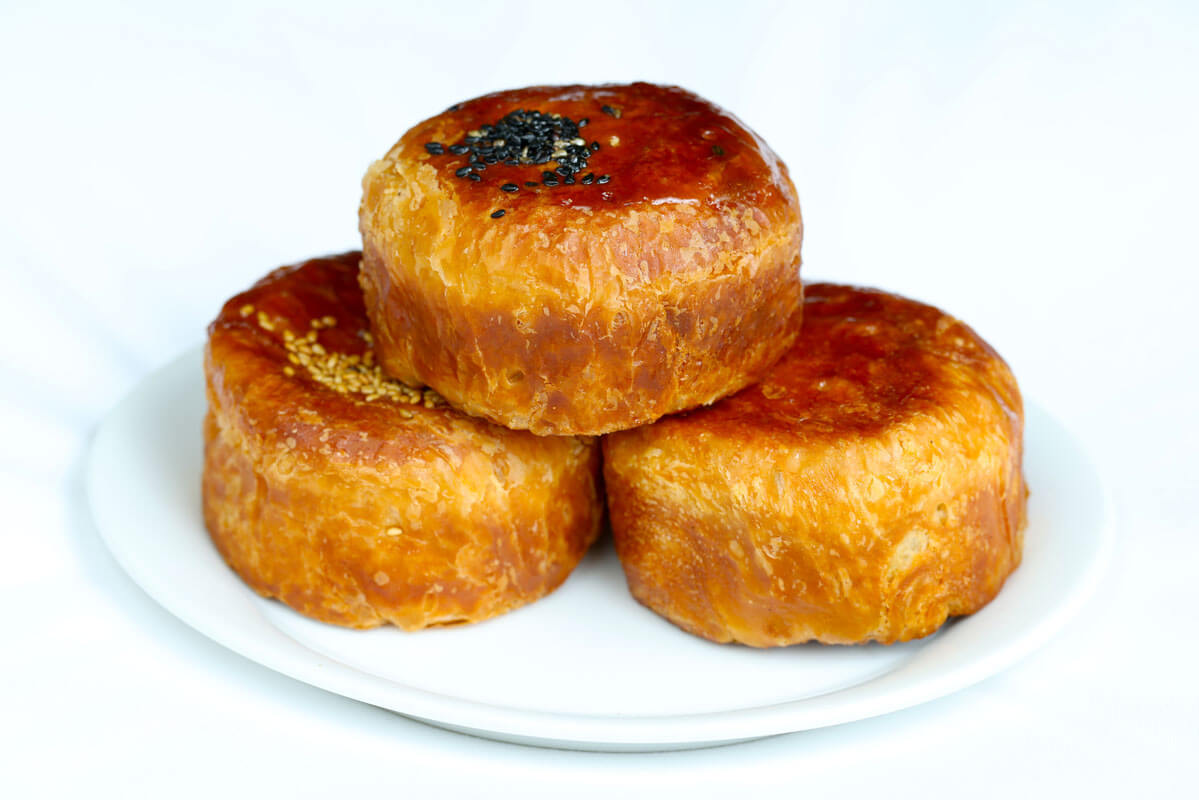
Akabane Anko, located in ecute Akabane just outside the south ticket gate of JR Akabane Station, is a Japanese sweets shop with a concept of offering freshly prepared treats baked on site. It sells original products such as “Akabane Anko” (red bean paste) and other snacks that give you a nostalgic feeling.
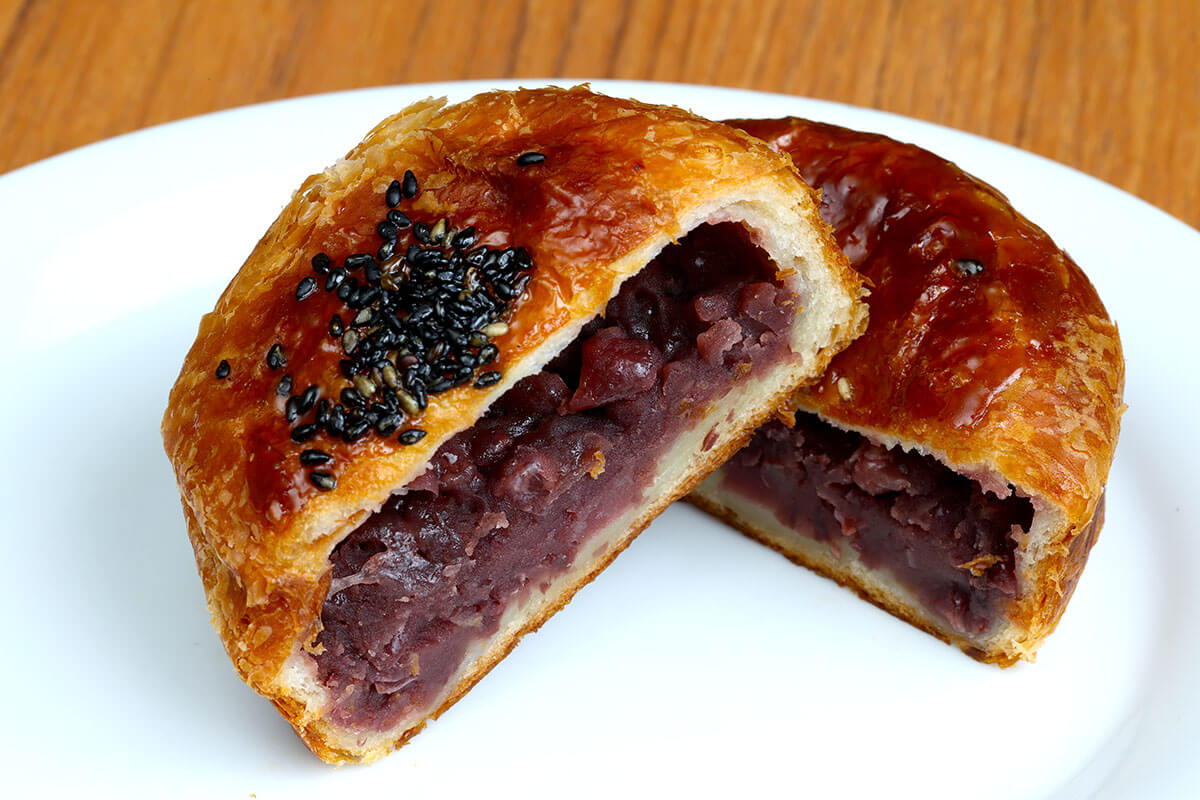
“Akabane Anko” is a Danish pastry baked with red bean paste from the famous Oji Seianjo bean paste specialists located in Oji, Kita-ku, Tokyo. The most popular option is “Ogura-an” costing 300 yen, while other varieties include “Koshi-an”, “Shiro-an”, “Custard & Ogura”, and “Ogura & Cream Cheese.” The crispy, savory dough and moderately sweet bean paste are exquisite.
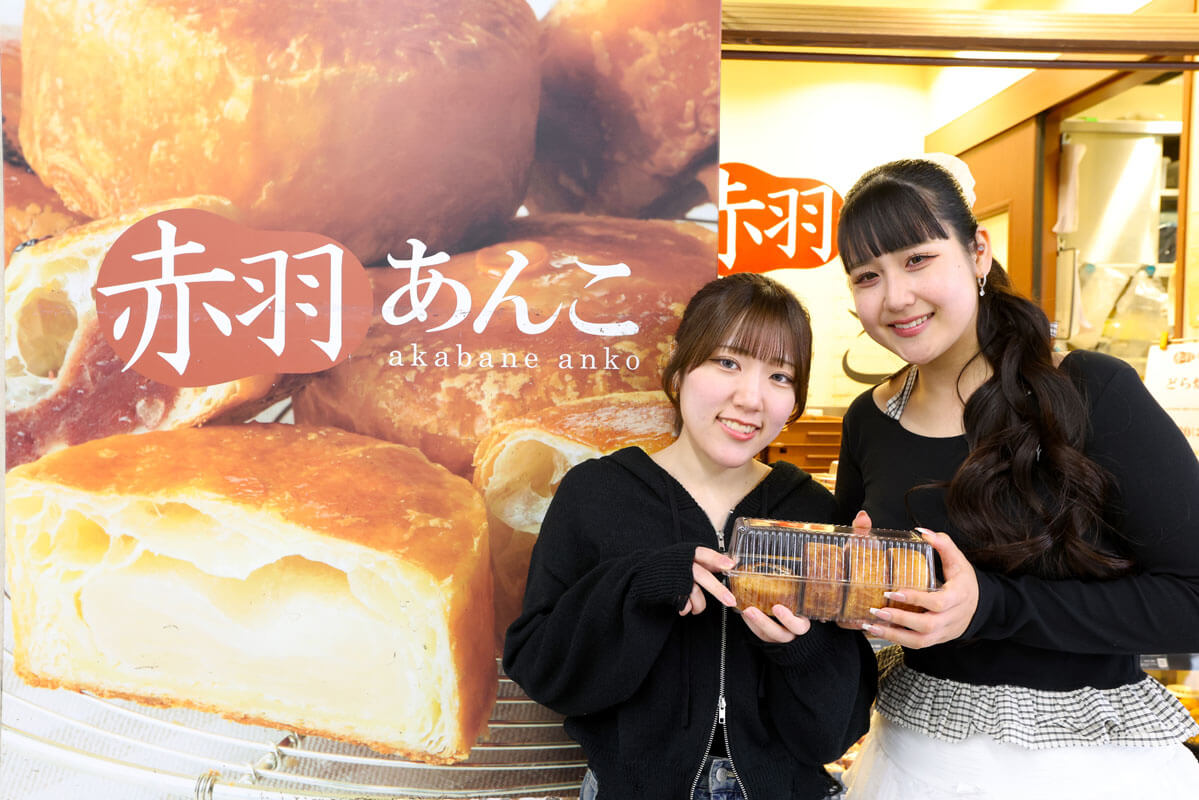
The volume is so large that even one piece is very satisfying. There are many different options, so please try to find one you like!
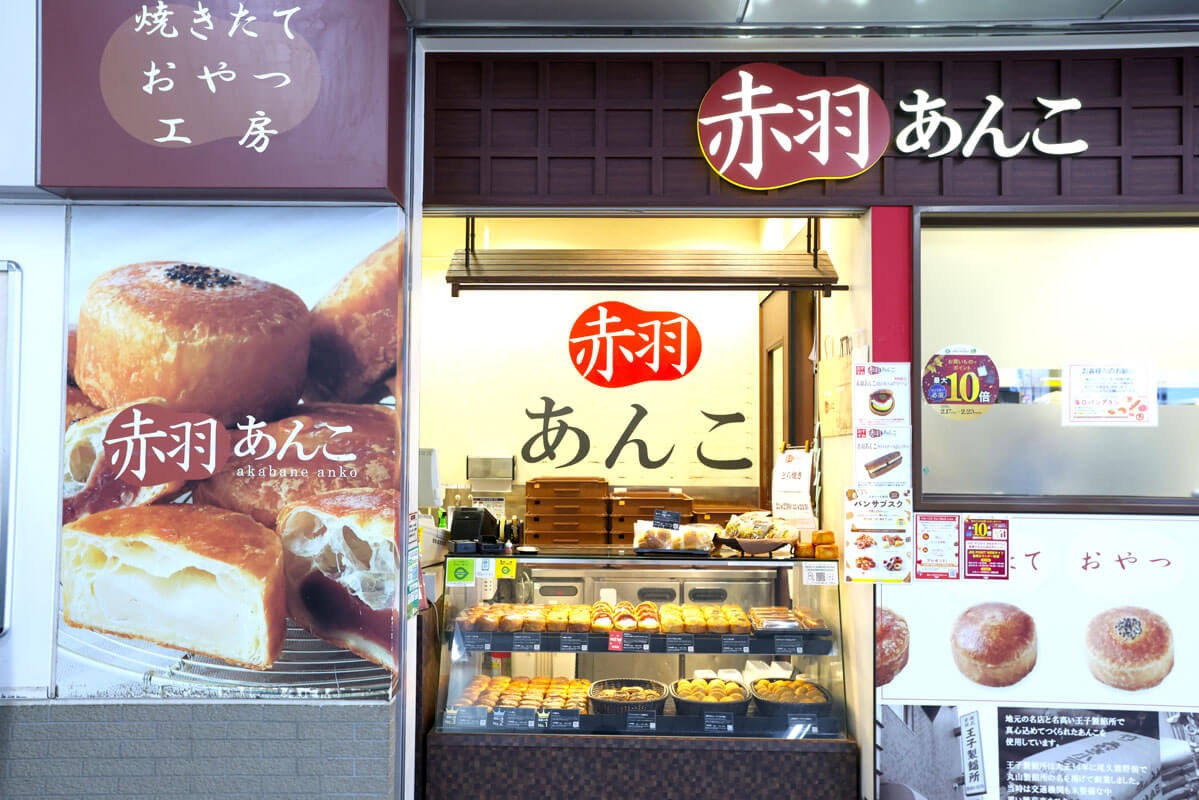
ecute Akabane is a shopping and restaurant complex located inside and outside the ticket gates of Akabane Station. It has a variety of cafes, sweets, delicatessens, and other shops, making it a convenient place to spend time waiting for a train or looking for souvenirs.
akabane anko
Address:1-1-1 Akabane, Kita-ku, Tokyo
Phone:03-3598-2973
Opening hours:9:30 to 22:00 (Sundays, and national holidays: 9:30 to 20:00)
Closed:Open every day
Shopping [2]|patisserie muse
Light and elegant sweets created with a patissier’s youthful sensibilities
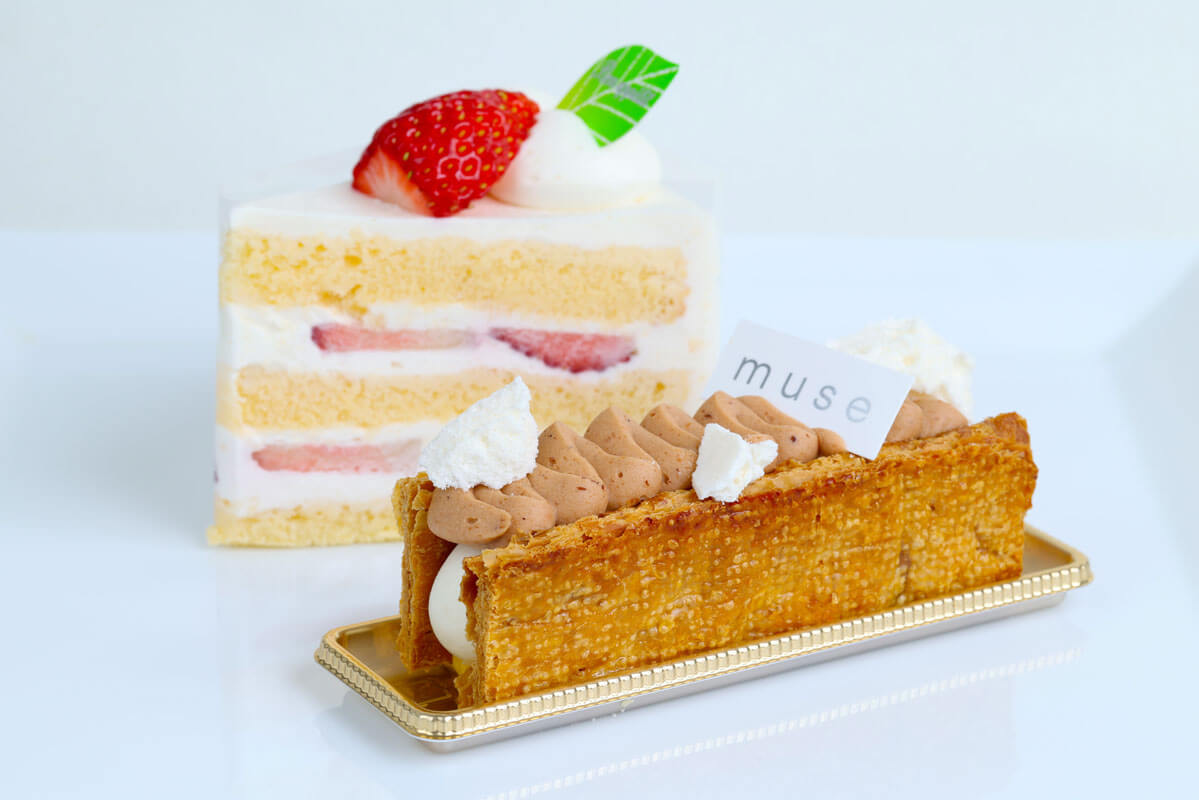
Located in a corner of the bustling Akabane Ichibangai district, patisserie muse was opened in 2024 by Yuya Okuda and his son, Tsubasa, a patissier. It sells a wide range of sweets, such as cakes, baked goods and chocolates, made from carefully selected ingredients.
Pictured are the “Kifu Mont Blanc” made with French chestnut cream for 580 yen (front) and the “Japanese Strawberry Shortcake”, which costs 680 yen.
*Prices correct as of April 2026. Prices are subject to change depending on the season.
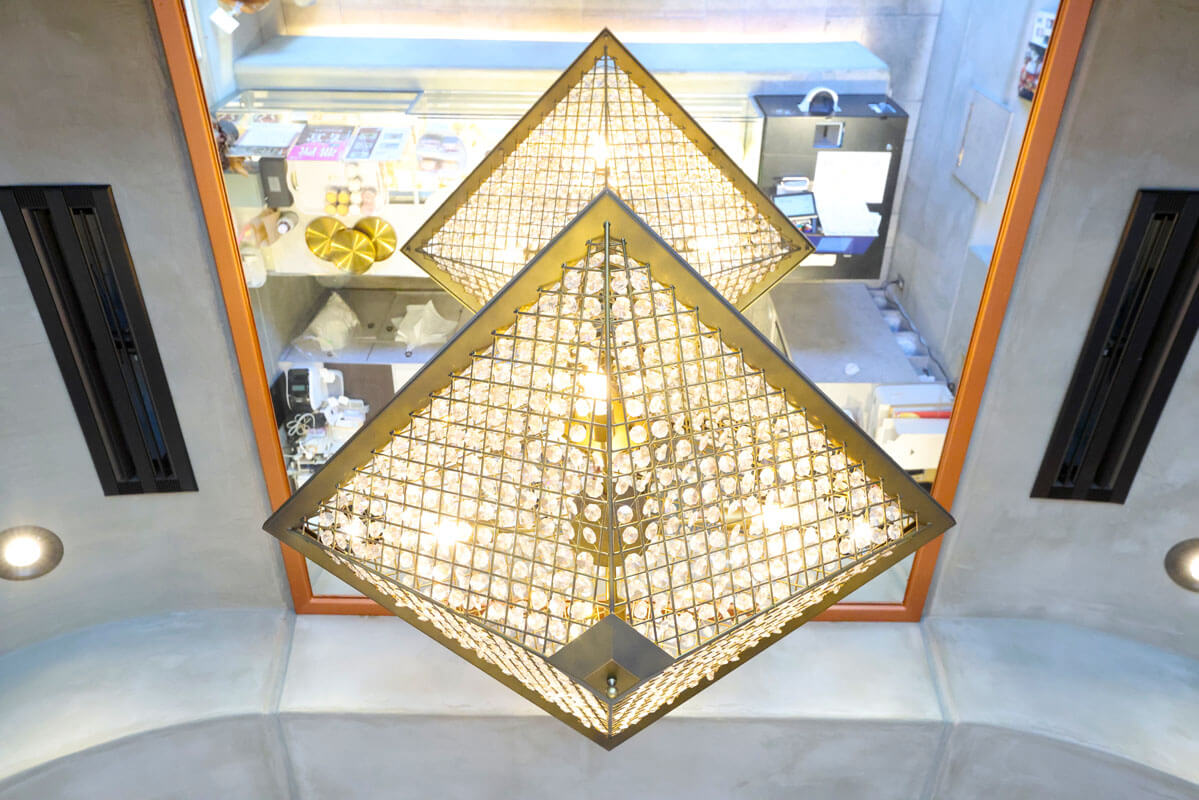
Stepping into the room, a pyramid-shaped chandelier twinkles from the ceiling above, creating the atmosphere of an art museum.
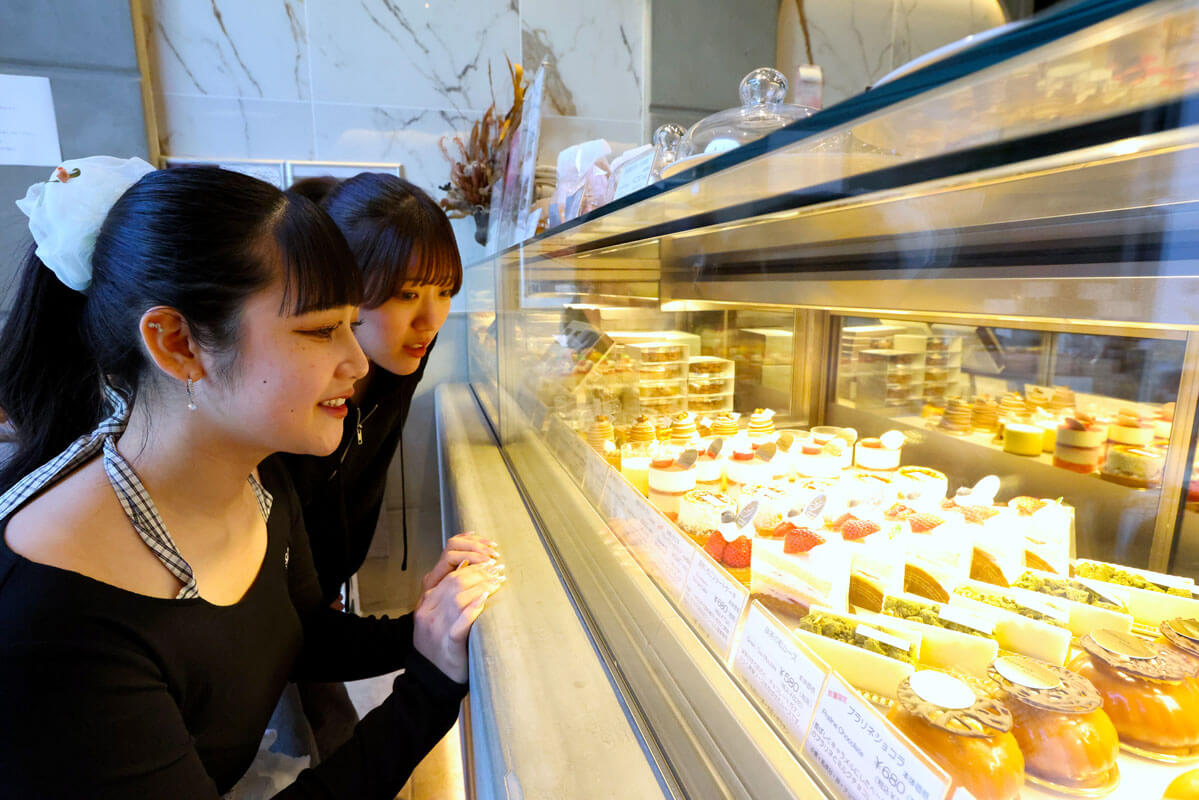
The showcase displays about ten types of cakes, from gorgeous modern cakes to basic items such as chou a la creme and custard puddings. Seasonal sweets are also available, including peach in summer and cherry blossom in spring.
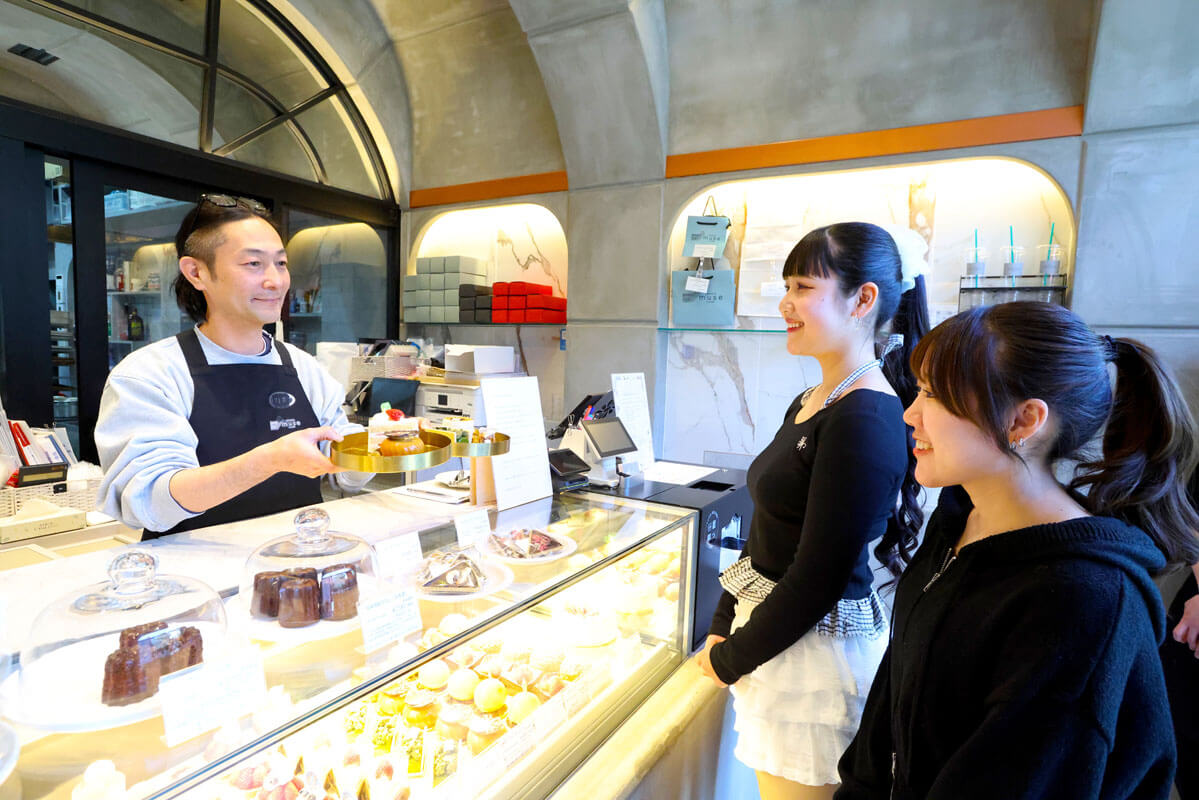
Yuya Okuda has had an illustrious career, training at many famous restaurants in Japan and serving as the executive chef of “MA DU ZI Hotel Bangkok” in Bangkok, Thailand, which is associated with the Thai royal family. To fulfill a dream he has held since his youth, Yuya and his son, who is a patissier, have been producing unique sweets.
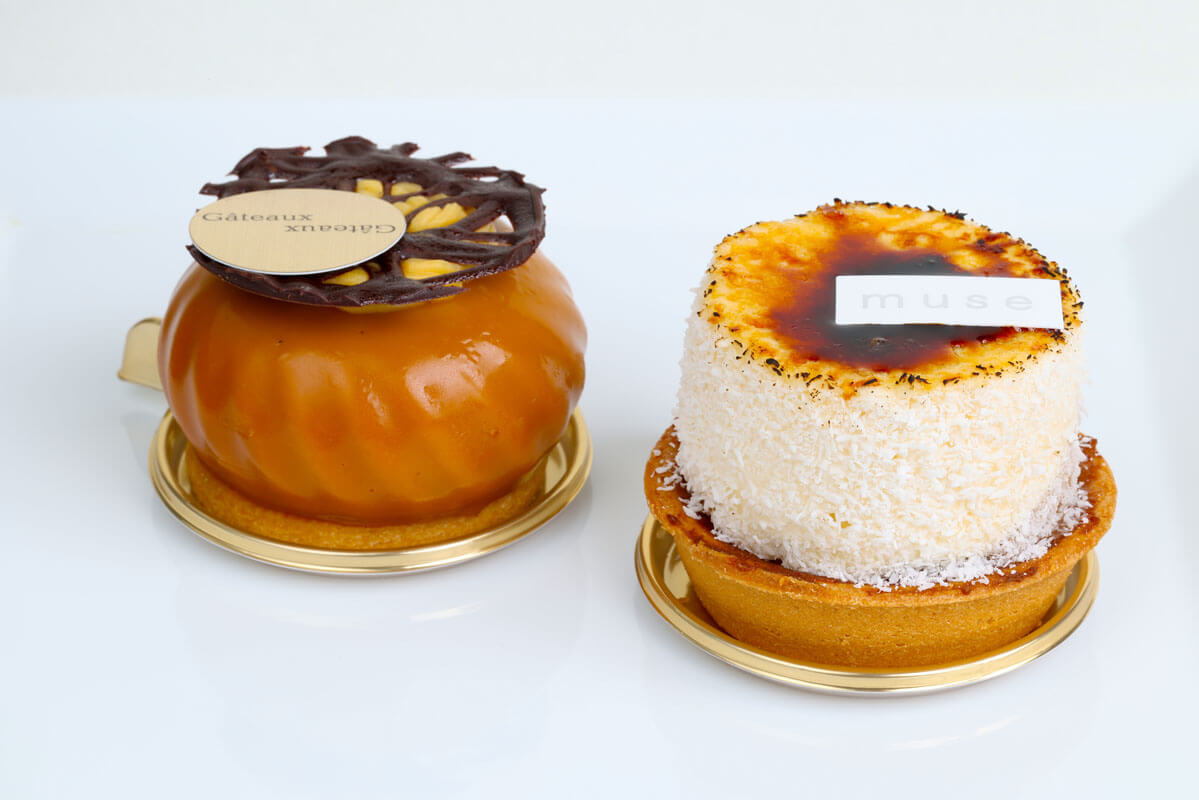
The “Praline Chocolat” (left) for 680 yen is a mousse cake with a layer of hazelnut praline and rich ganache, covered with milk chocolate. The “Apple Chiboust” (right) costs 600 yen and offers the texture and deep flavor of apples alongside the smooth melt-in-your-mouth texture of chiboust cream.
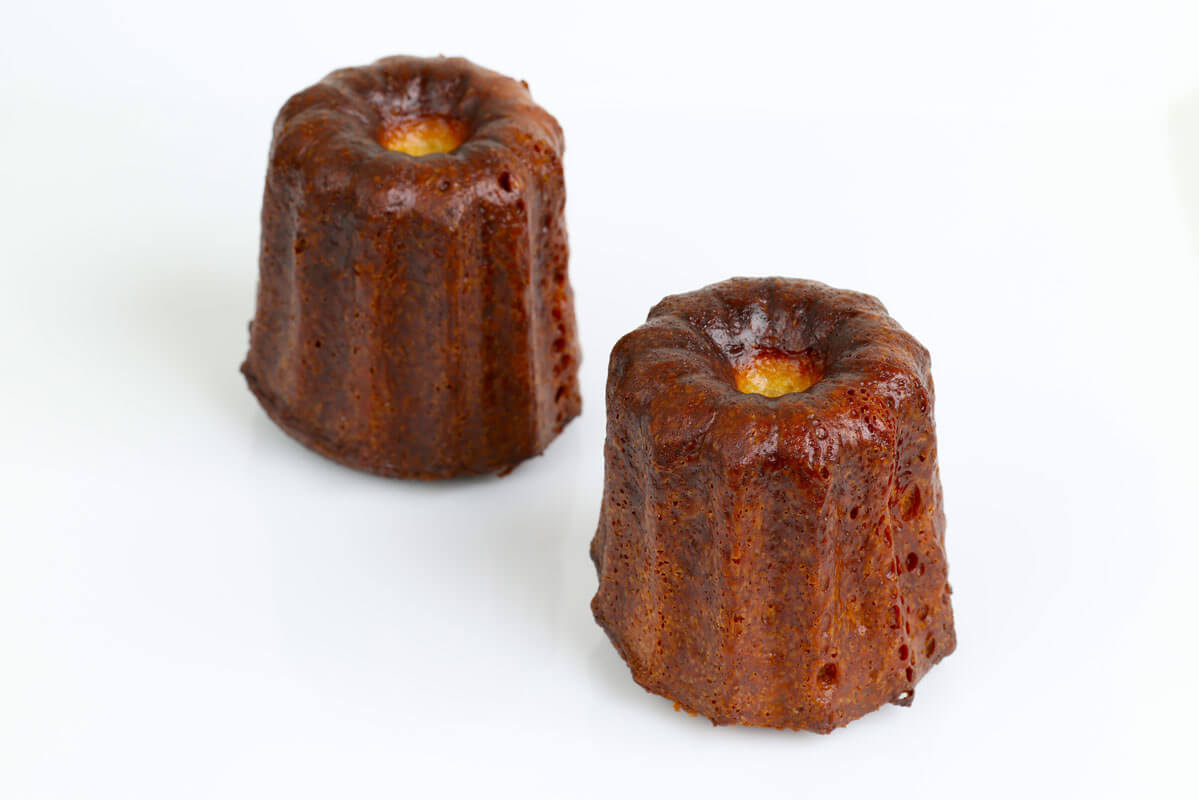
The “Asukayama Sake Kasu Cannelé” (made with sake lees), was created in collaboration with the Tokyo Kita-ku Tourist Association and sells for 313 yen. Using sake lees from Hiei, a Japanese sake produced in Kita-ku, the adult sweets have a chewy dough with a hint of sake lees.
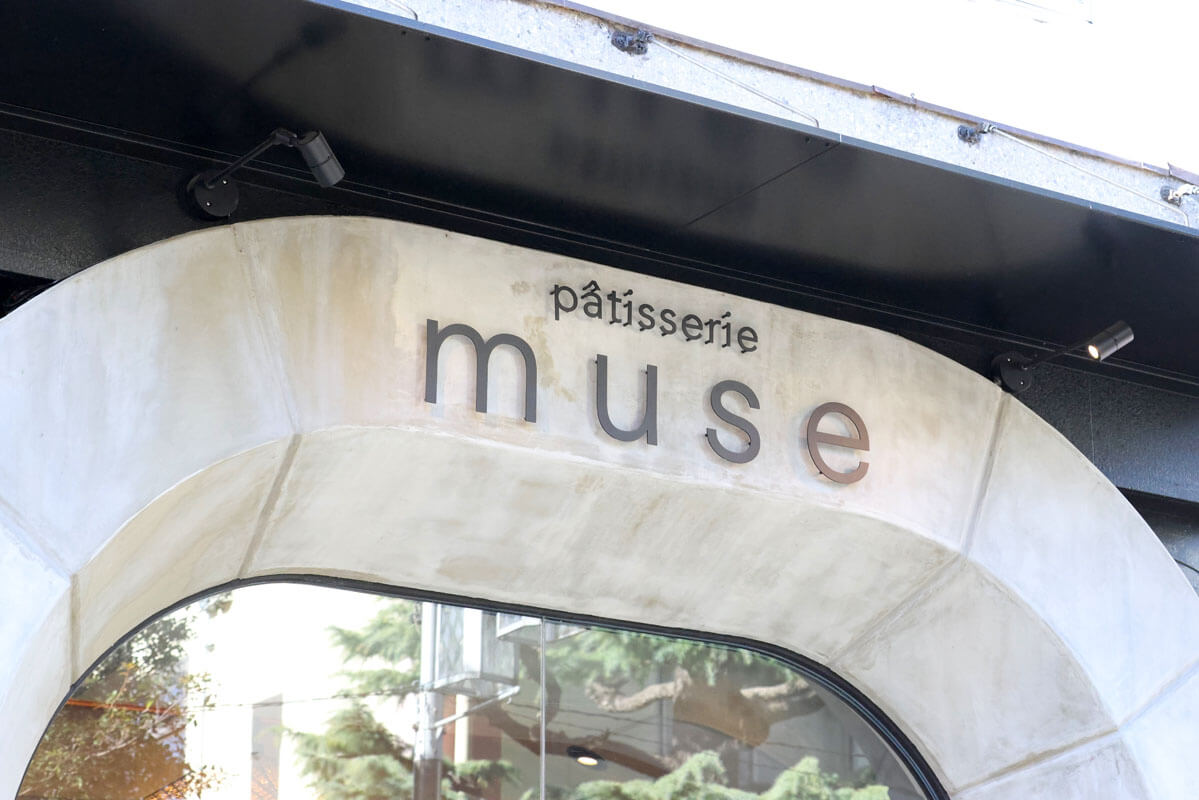
patisserie muse is a rare shop in Akabane that specializes in stylish and sophisticated takeout sweets. It opens late into the evening, making it the perfect place to pick up a dessert after drinking! Why not visit during a stroll in Akabane?
patisserie muse
Address:1-38-2 Akabane, Kita-ku, Tokyo
Phone:03-6903-9666
Opening hours:11:00 to 15:00, 17:00 to 22:00 (Wednesdays, Sundays and national holidays: 11:00 to 19:00; Saturdays: 11:00 to 22:00)
Closed:irregular holidays
Shopping [3]|Kuromatsu Honpo Sogetsu
Kuromatsu offers one of the three best dorayaki in Tokyo and is a must-buy when you visit Higashi-Jujo.
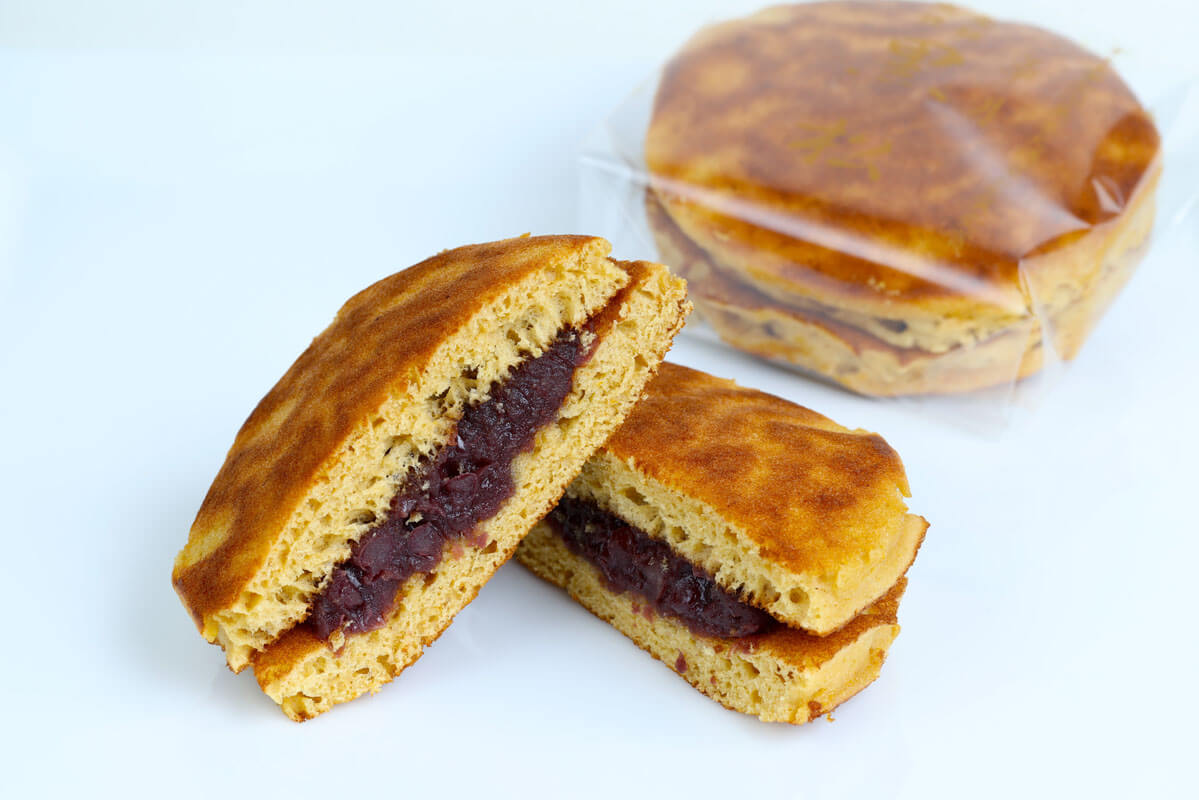
Along with “Usagiya” in Ueno and “Kameju” in Asakusa, Kuromatsu Honpo Sogetsu’s Kuromatsu is considered one of the top three dorayaki in Tokyo.
Two layers of pancake, baked with dark brown sugar, honey, and eggs, form a sandwich around the red bean paste made using Hokkaido-Tokachi azuki beans. “Kuromatsu” is named for its surface, which resembles the trunk of a black pine tree.
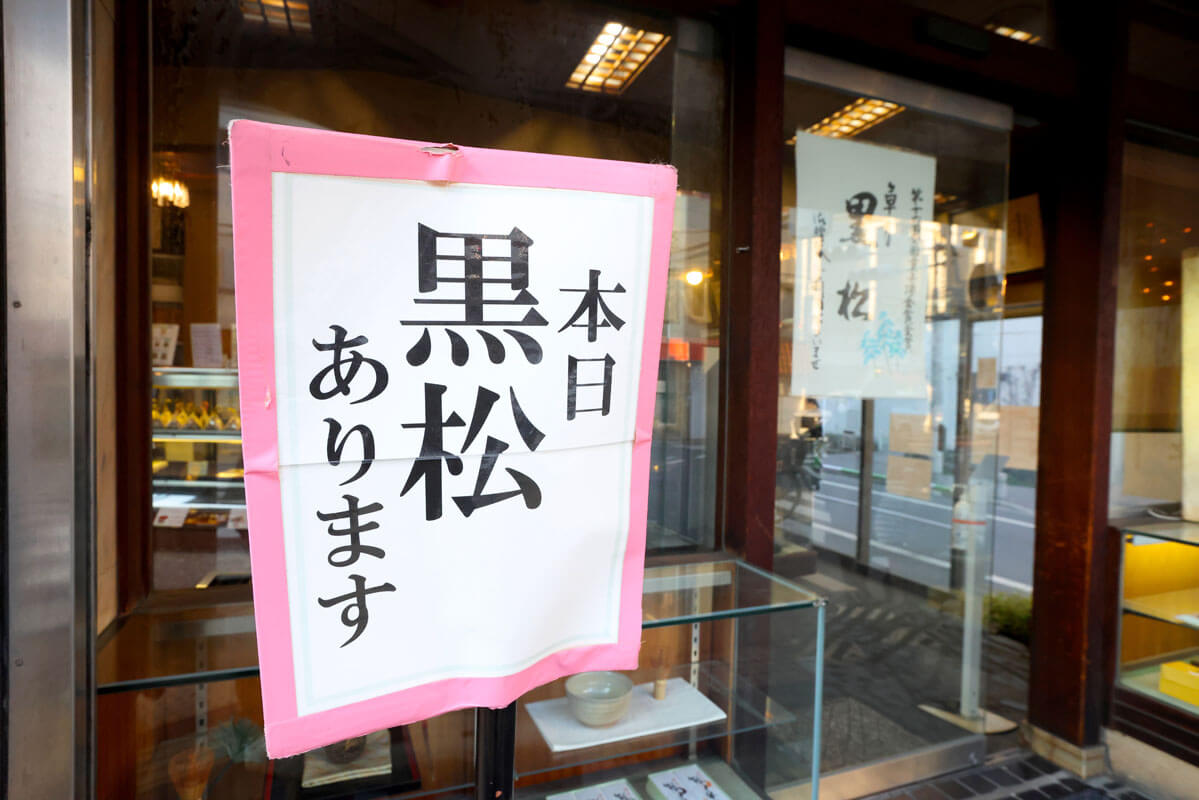
This traditional Japanese confectioner has been a firm favorite in the community since its establishment in 1930. “Kuromatsu” was created in 1958 and won a gold prize at the National Confectionary Expo, making it a nationally known confectionary brand.
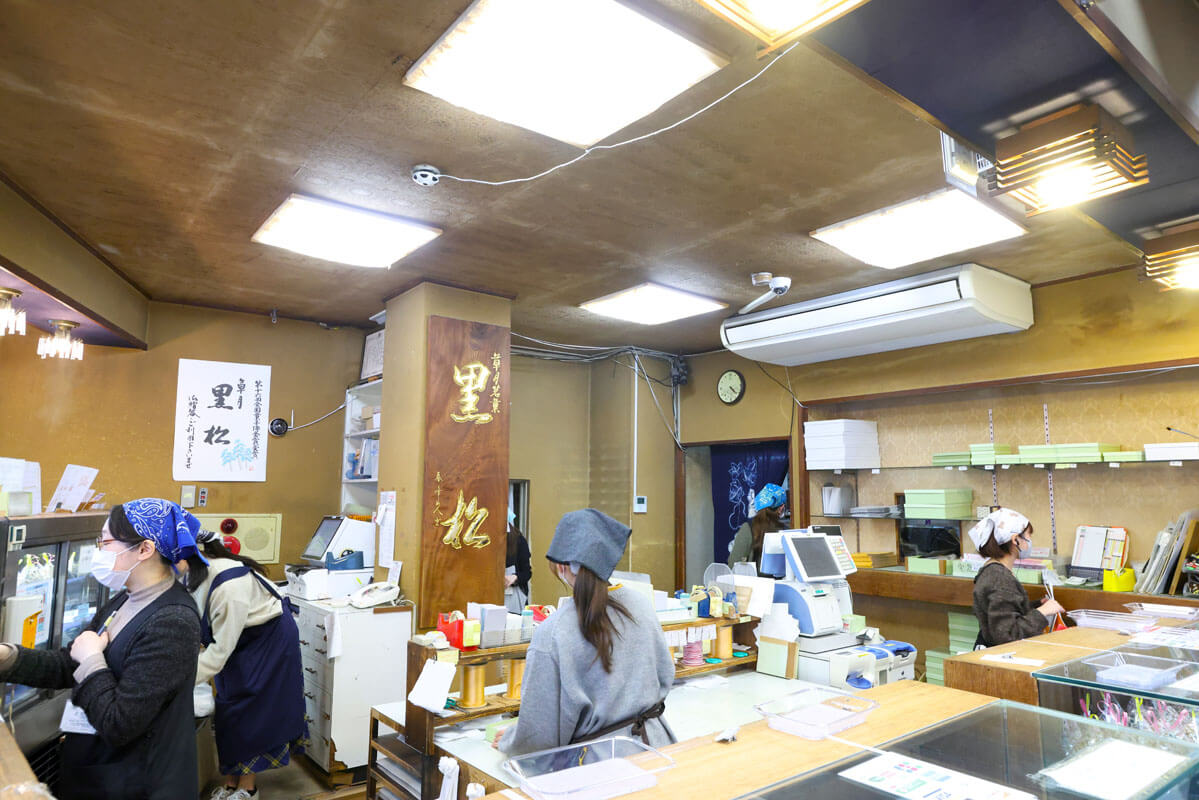
Kuromatsu Honpo Sogetsu is the only place where you can buy “Kuromatsu” due to its one store policy. Many fans come from far and wide, and lines can form early in the morning.
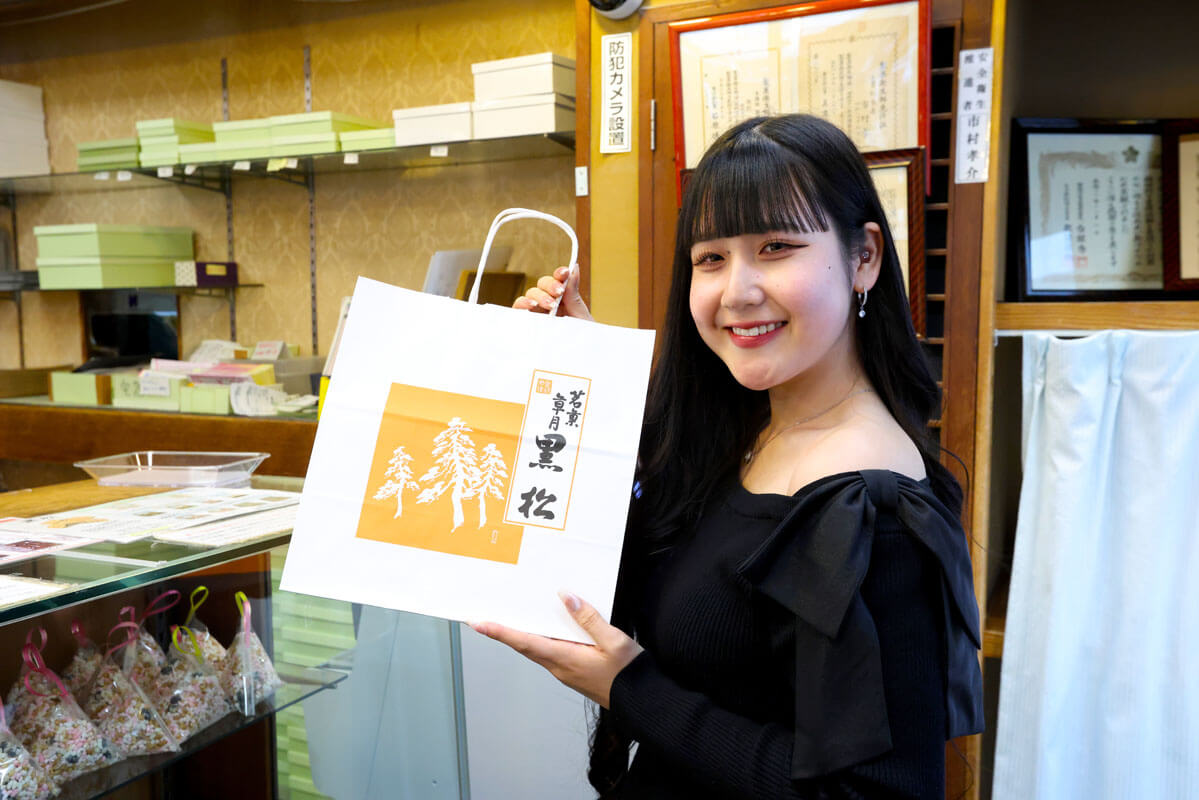
Kuromatsu costs 162 yen per piece. It is also available boxed, with five pieces costing 831 yen. Since no preservatives are used, the estimated shelf life is usually two to three days, or three to five days in winter.
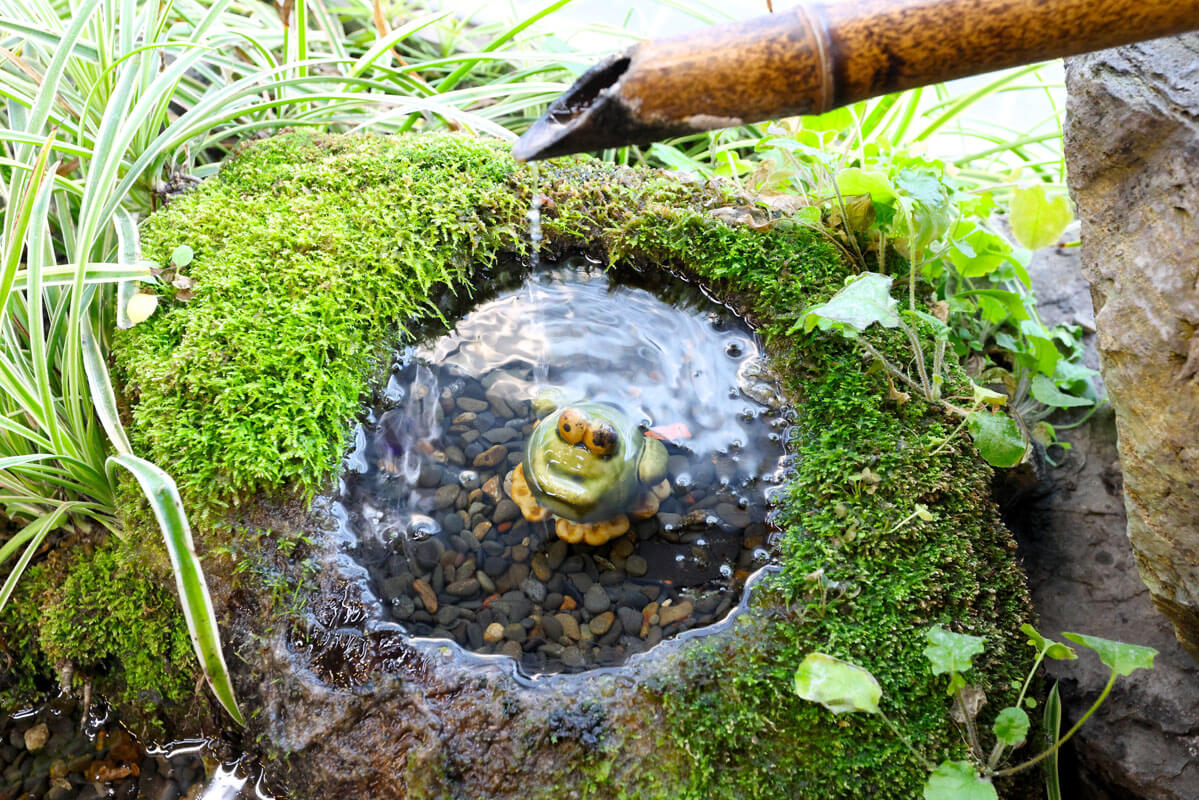
In one corner of the shop, you can find a stone washbasin with a ceramic frog looking up from the water. Kuromatsu sometimes sell out as early as around 5 p.m. If you want to be sure of enjoying one, it is recommended to come to the shop early.
Kuromatsu Honpo Sogetsu
Address:2-15-16 Higashi-Jujo, Kita-ku, Tokyo
Phone:03-3914-7530
Opening hours:10:00 to 18:00
Closed:Tuesdays (the day can change during busy periods; once every month, the shop closes on a consecutive Monday and Tuesday.)
Hotel in Akabane [1]|JR-EAST HOTEL METS AKABANE
Just a one-minute walk from JR Akabane Station! A variety of rooms are available for business and leisure travelers.
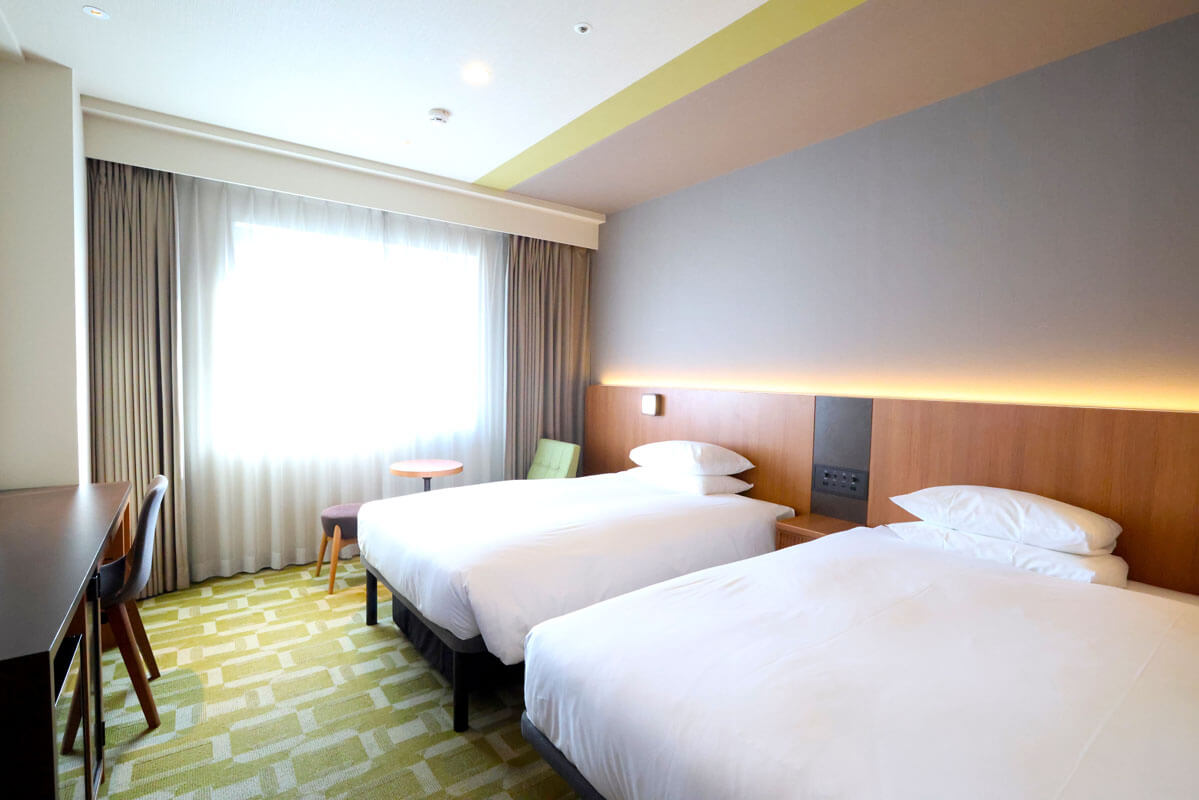
JR Akabane Station is served by six lines, including the JR Keihin Tohoku Line, Saikyo Line, and Tohoku Main Line, and is conveniently accessible from Saitama and Kanagawa. The adjacent JR-EAST HOTEL METS AKABANE offers a nostalgic yet comfortable atmosphere that combines the mid-century design that was popular in the 1960s and 1970s with modern functionality.
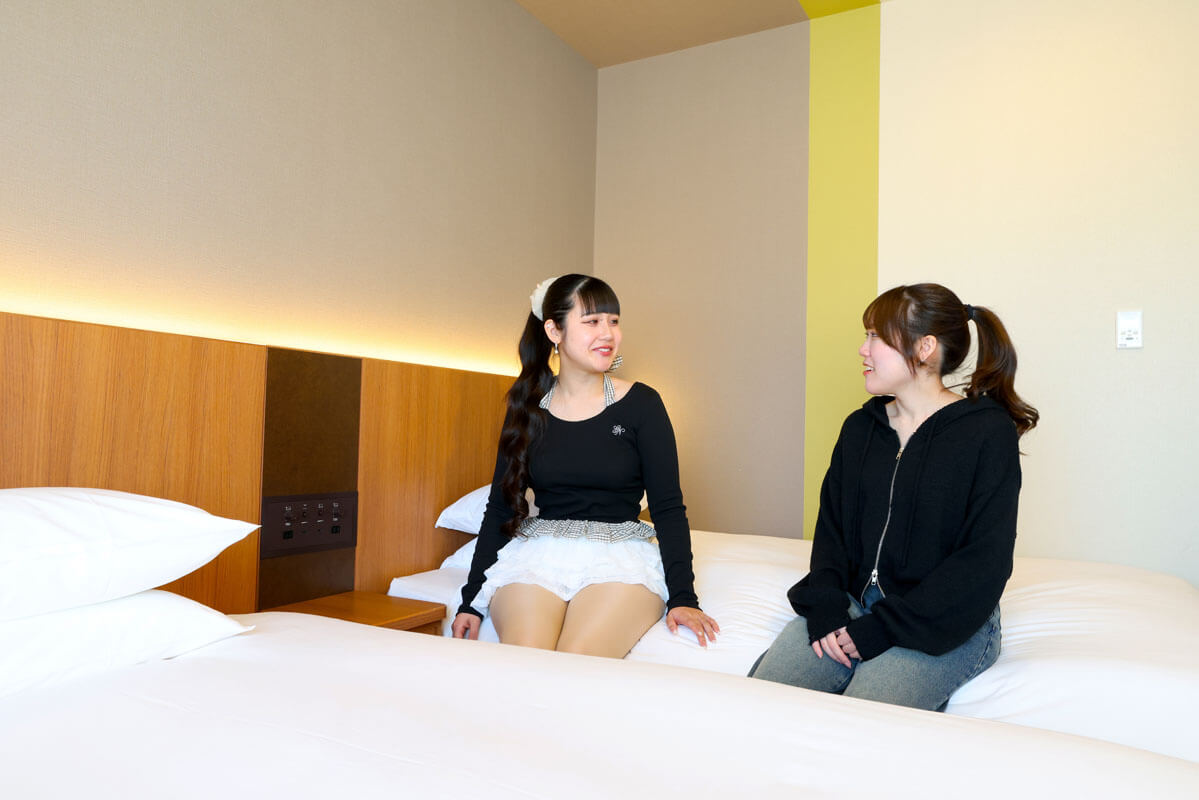
The “Twin Room” is a simple and sophisticated space with two 120cm wide Simmons beds. The hotel offers a total of 120 guest rooms, including a “Single (Biz style)” room with a desk and reclining work chair, ideal for business use, and a spacious 32 ㎡ “Deluxe Twin” that has a bathroom with a separate washing area.
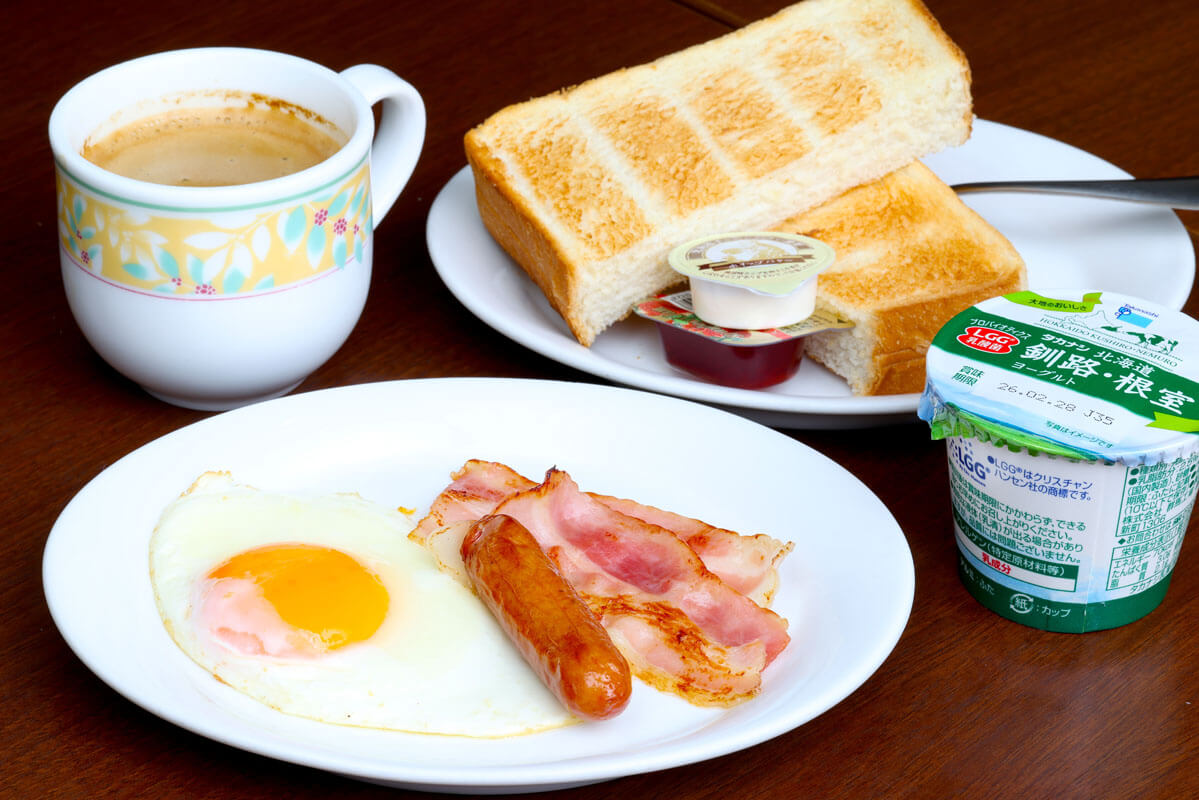
For breakfast, try the morning (breakfast) set at Denny's on the second floor of the hotel, where you can choose from Japanese and Western morning (breakfast) sets. You choose a “main” from five items, including egg dishes such as scrambled eggs, salad, etc., and combine this with toast, pancakes, rice and miso soup as you like.
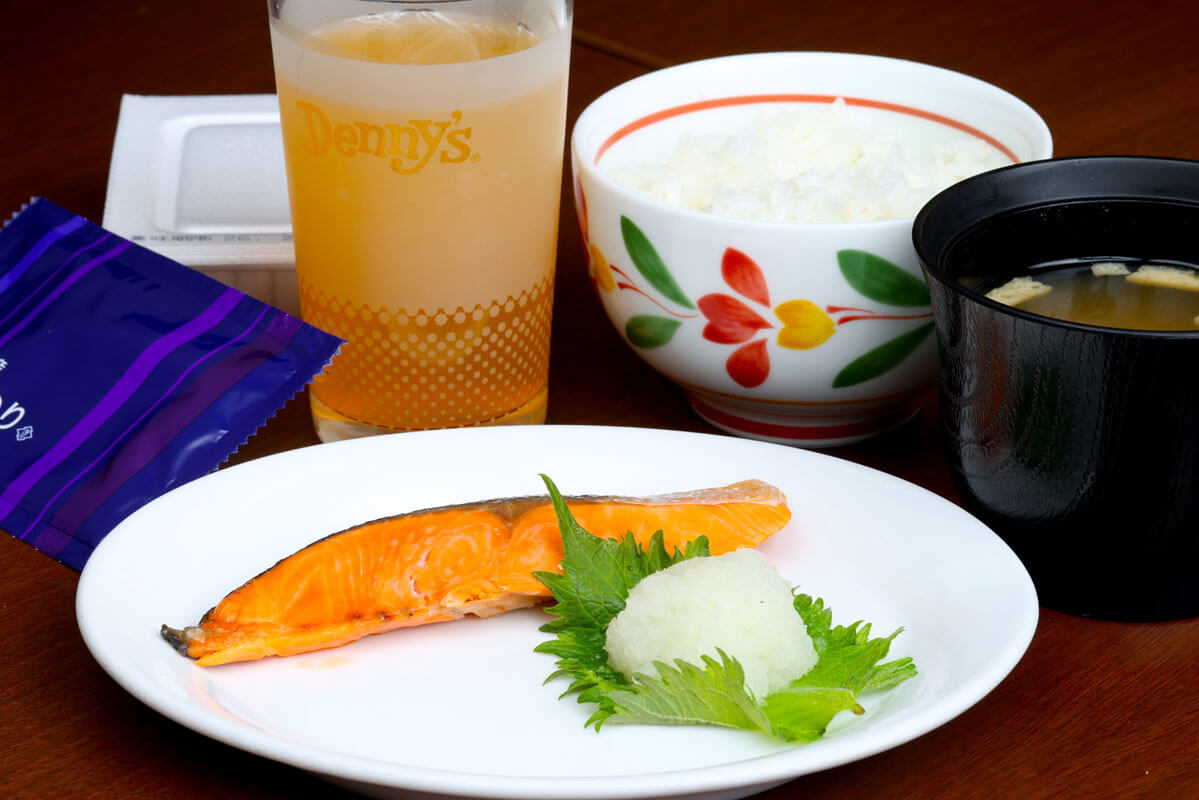
This is the “main” grilled salmon, with rice and miso soup set. You can also enjoy a drink bar with a wide variety of teas, coffees, and soft drinks.
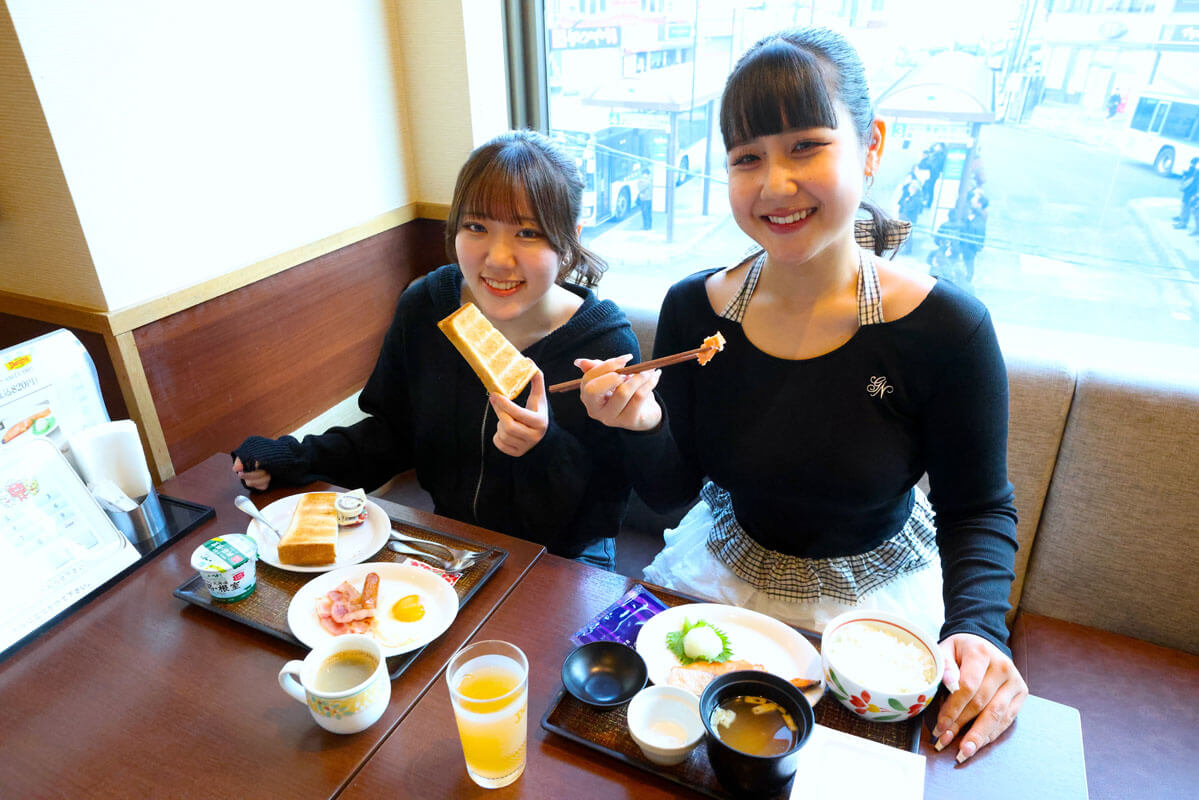
A full breakfast plate at Denny’s recharges your energy. The meal coupon can also be used at the Little Mermaid bakery on the first floor of the hotel, so please choose your favorite breakfast.
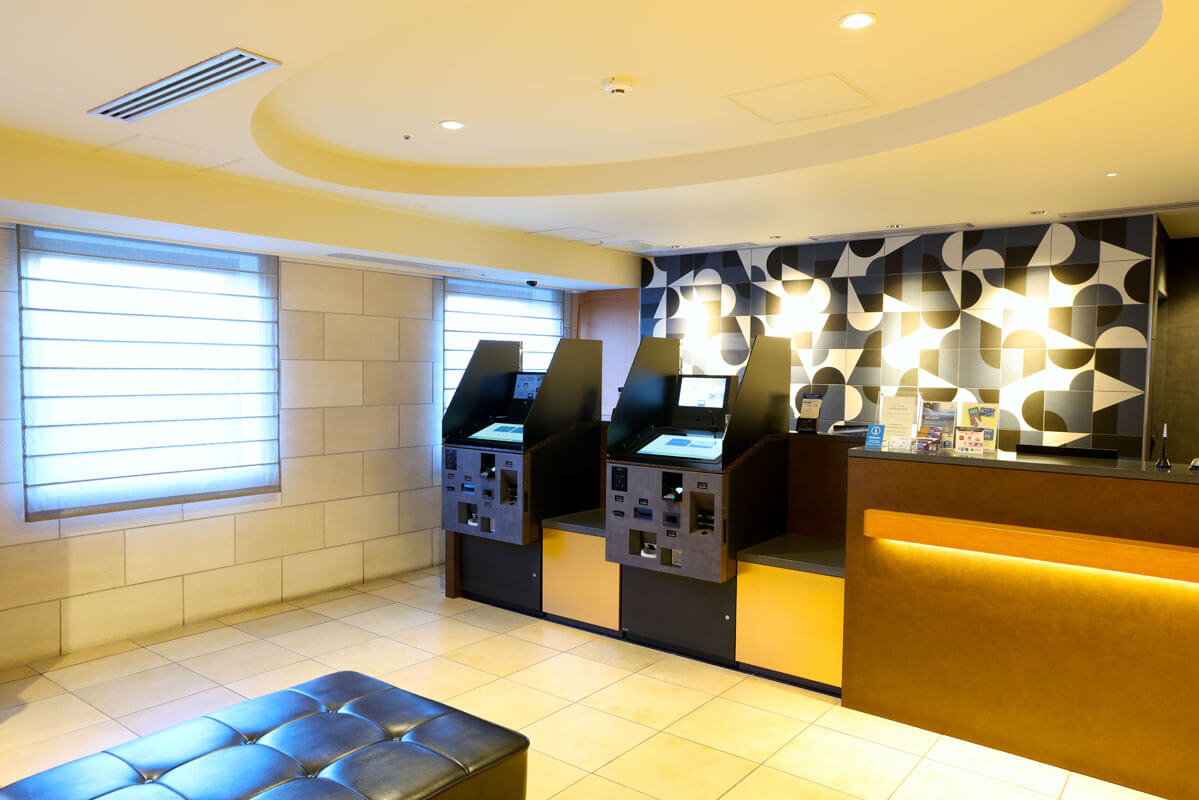
There is a self-check-in machine in the front lobby on the third floor, where you can check in or out yourself. The Amenity Station, which is stocked with bath powder and skin care products, can also be found here.
The hallways and some guest rooms offer views of the Shinkansen bullet trains and regular trains entering and leaving JR Akabane Station, and these rooms are highly recommended for railway enthusiasts.
JR-EAST HOTEL METS AKABANE
Address:1-1-76 Akabane, Kita-ku, Tokyo
Phone:03-5939-0011
Check-in:15:00
Check-out:11:00
Cost:Please refer to the official website.
Hotel in Akabane [2]|HOTEL B4T AKABANE JR-EAST
Enjoy a smart and trouble-free accommodation experience with Suica
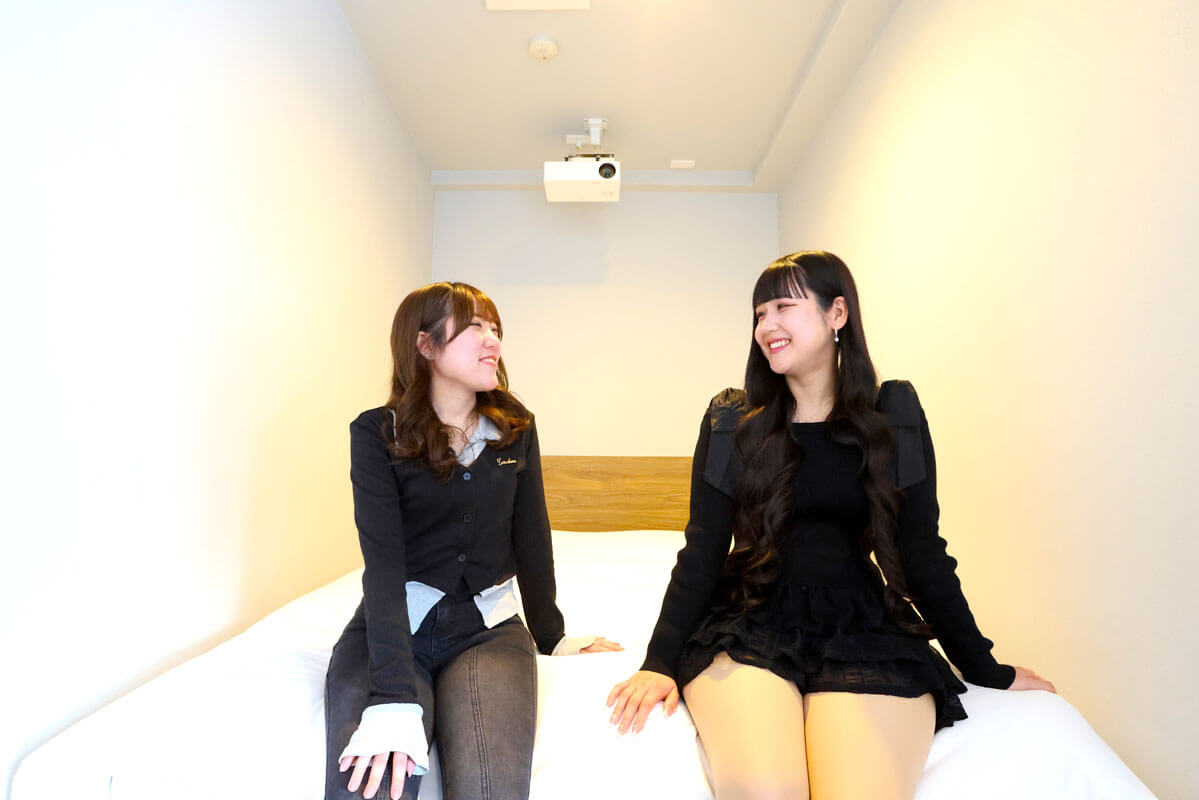
HOTEL B4T is a new hotel brand operated by NIPPON HOTEL Co., Ltd. It offers a new type of smart hotel that promises to change the concept of hotels. You can use Suica to make reservations, check-in/out, and open/close your room with a smartphone.
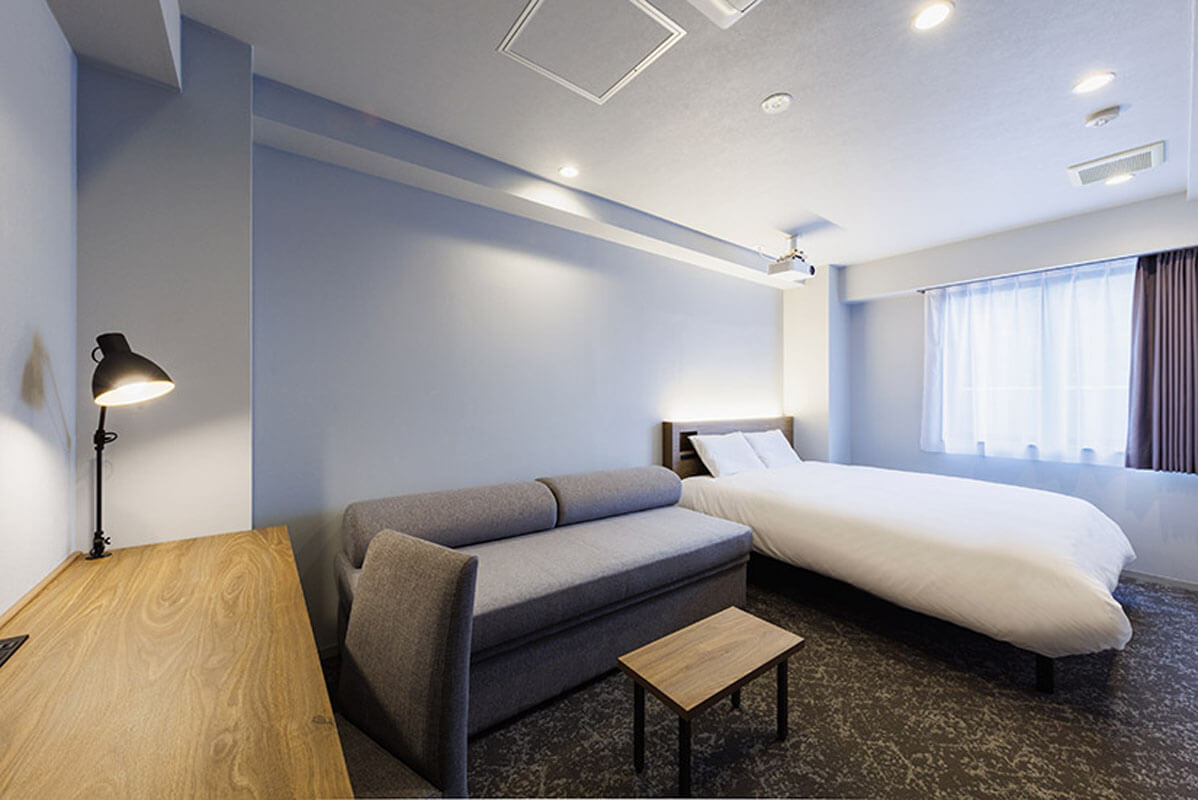
Four types of guest rooms are available, including singles and doubles. The "Double/theater" room has a projector, allowing you to enjoy realistic video while relaxing in bed.
In-room amenities include room wear, hairdryers, toothbrushes, and other basic amenities. Mugs and coffee drip bags are also available, giving you the chance to relax in your room.
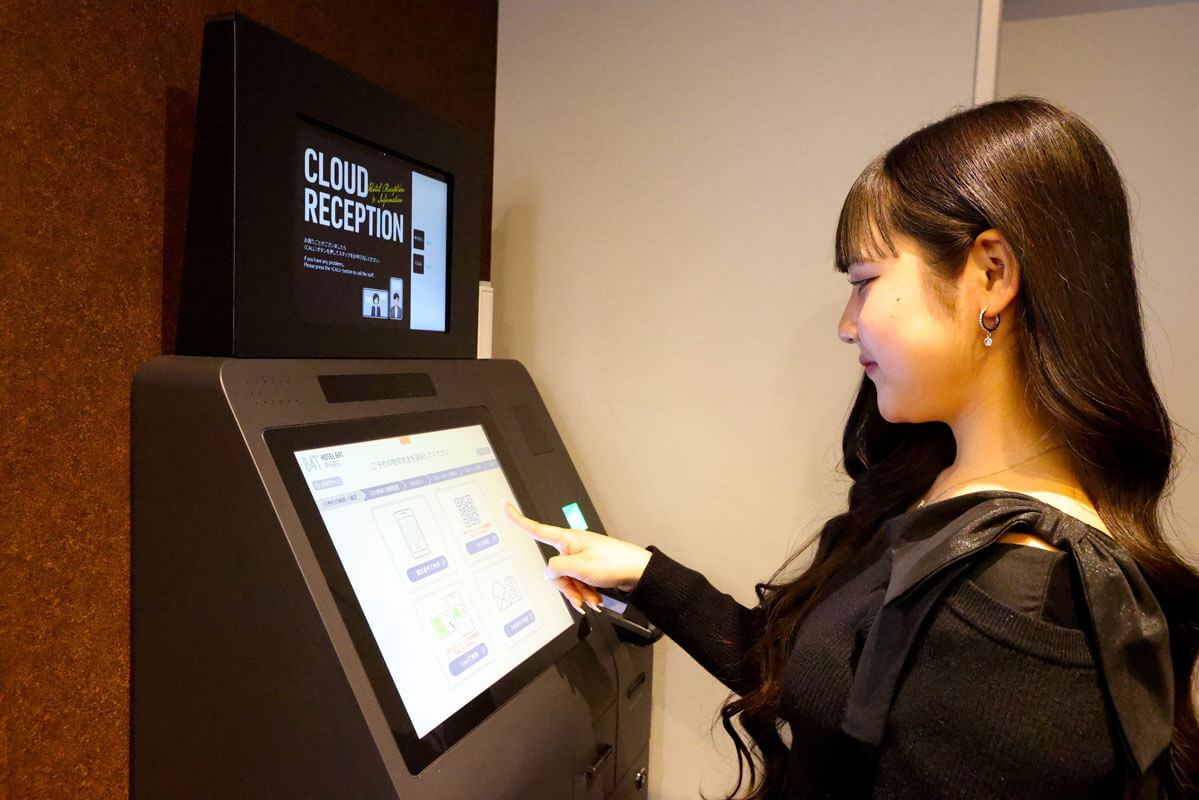
Check in or out using the check-in machines at the entrance. Since there are no staff on site at the hotel, online chat and calls are available to assist you with any problems.
There is a 24-hour convenience store “NewDays” on the first floor of the hotel in case you get a little hungry. Retail complexes such as “ecute Akabane Minami” and "Akabane Apire" are located nearby, as well as many restaurants, so there is no shortage of places to eat and shop.
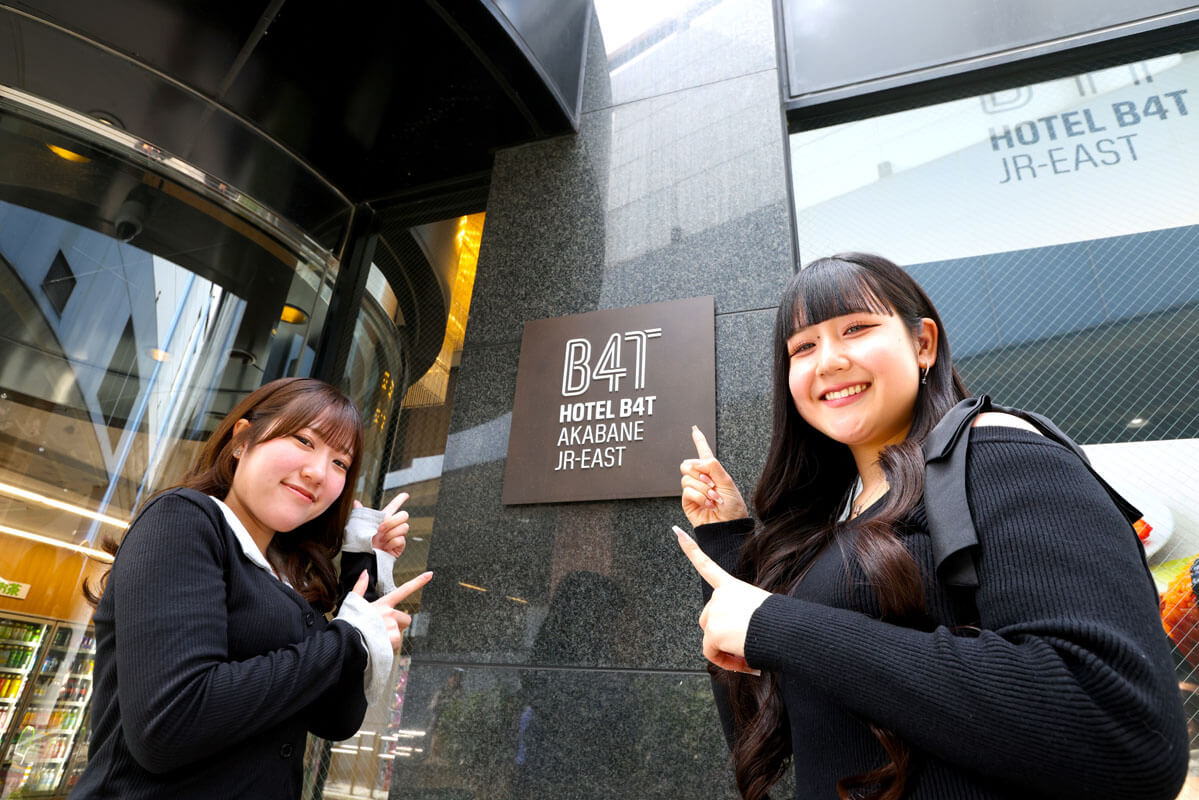
A one-minute walk from the West Exit of JR Akabane Station south ticket gate. The hotel is compact, but it is equipped with the minimum necessary facilities and amenities, allowing you to spend your time comfortably without worrying. Why not try out a “smart” accommodation experience that can be managed from start to finish using Suica?
HOTEL B4T AKABANE JR-EAST
Address:1-4-18 Akabane-Nishi, Kita-ku, Tokyo
Check-in:15:00
Check-out:10:00 (12:00 for JR hotel members)
Cost:Please refer to the official website.


JR-EAST HOTEL METS
AKABANE
Front Desk Staff
JR-EAST HOTEL METS
AKABANE
Front Desk Staff
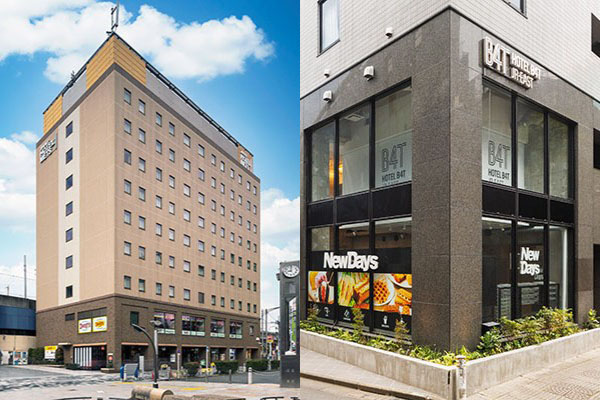
JR-EAST HOTEL METS AKABANE / HOTEL B4T AKABANE JR-EAST
【JR-EAST HOTEL METS AKABANE】
JR Akabane Station is easily accessible from major airports by bus or train. Our hotel is just a 1-min walk from the station. Minimize travel time with heavy luggage. Drop off your bags and start sightseeing right away.
https://www.hotelmets.jp/en/akabane/
【HOTEL B4T AKABANE JR-EAST】
Direct access JR Akabane station and tonight's bed.
https://www.hotel-b4t.jp/en/
NotesOpenClose
*Information provided on this website is current as of February 2026. The featured facilities may change their fees, hours, days closed, menus, and other information after it has been published here, or they may be temporarily closed. Although every effort has been made to ensure the accuracy of the content on this website, including all times, fees, etc., we recommend that you contact the facility by phone or other means to get further information or make a reservation in advance. We will not be held liable for any damage in connection with the content of this website.
*All charges and fees shown on this website include consumption tax and were current at the time the information about them was collected. Facilities that offer dine-in and/or takeout services are so noted in the articles. Charges and fees are subject to change.
*Facility schedules do not reflect closures during the year-end/New Year holidays, Bon festival, and Golden Week as well as temporary closures unless specified by the respective facilities featured on this website.
*Operating hours shown on this website are generally the hours from opening to closing unless otherwise specifically noted. Last orders and entries are usually accepted 30 minutes to 1 hour before closing.
SHARE